THE ADVENTURE COLLECTIVE® · Independent discovery and booking for outdoor travel

Cross Ram Jhula and follow the Ganges downstream on a 5–6 hour guided walk that mixes active pilgrimage with quiet forest caves. Visit Parmarth Niketan, the Beatles Ashram ruins and secluded meditation caves while a guide explains cultural and natural context.
Cross Ram Jhula and follow the Ganges downstream on a 5–6 hour guided walk that mixes active pilgrimage with quiet forest caves. Visit Parmarth Niketan, the Beatles Ashram ruins and secluded meditation caves while a guide explains cultural and natural context.
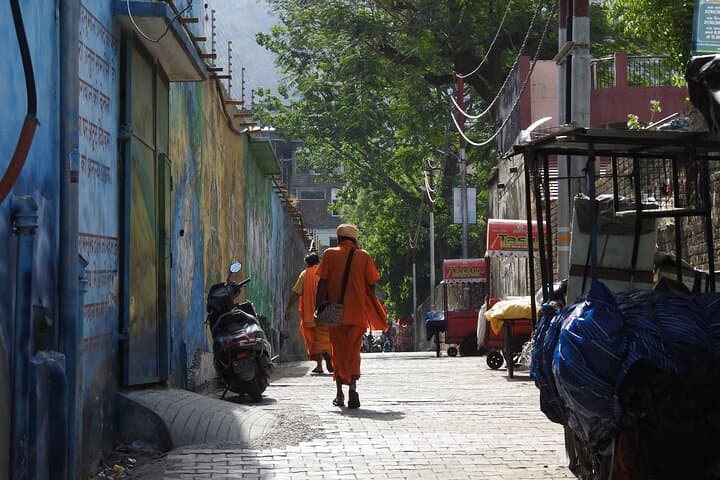
Morning light on the Ganges cuts through dust and prayer flags as walkers gather near Ram Jhula. The bridge hums with pilgrims, scooters and the steady current below that seems to push visitors toward the riverbank paths. This guided walk follows that current—across the iconic suspension bridge, past temple courtyards and into a fragment of forest where meditation caves and ruined ashrams press close to the river.
Verified experiences and guided adventures in the surrounding area.
Operated by Rishikesh Day Tour · Rishikesh, Uttarakhand
Morning light on the Ganges cuts through dust and prayer flags as walkers gather near Ram Jhula. The bridge hums with pilgrims, scooters and the steady current below that seems to push visitors toward the riverbank paths. This guided walk follows that current—across the iconic suspension bridge, past temple courtyards and into a fragment of forest where meditation caves and ruined ashrams press close to the river.
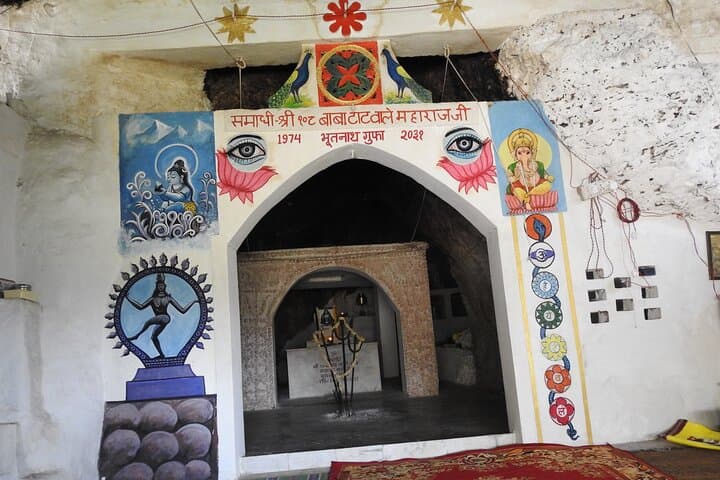
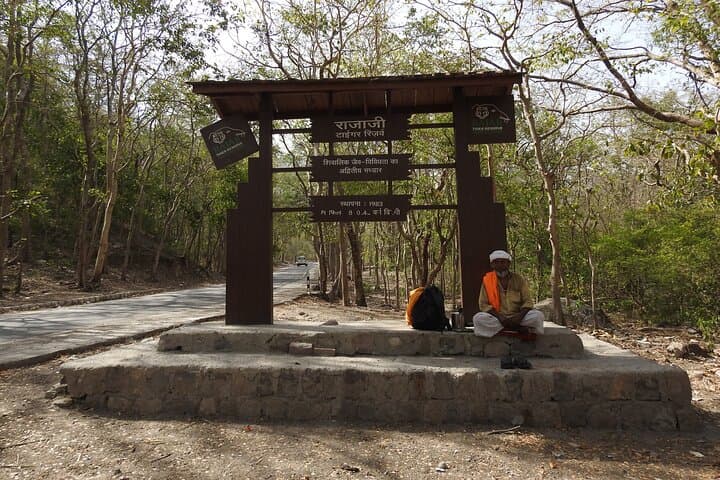
The route threads through living spiritual centers—Geeta Bhavan and Parmarth Niketan—places shaped by 20th‑century reform movements and ongoing devotional practice. A short detour brings you to the graffiti‑marked ruins of the Beatles Ashram (Chaurasi Kutia), a 1960s magnet for Western seekers where nature and concrete now trade space. Beyond the ashram the trail enters the fringe of Rajaji National Park; the geology shifts to exposed boulders and narrow forest roads that lead to Mauni Baba and Tat Wale Baba caves, long used by sadhus for silent practices.
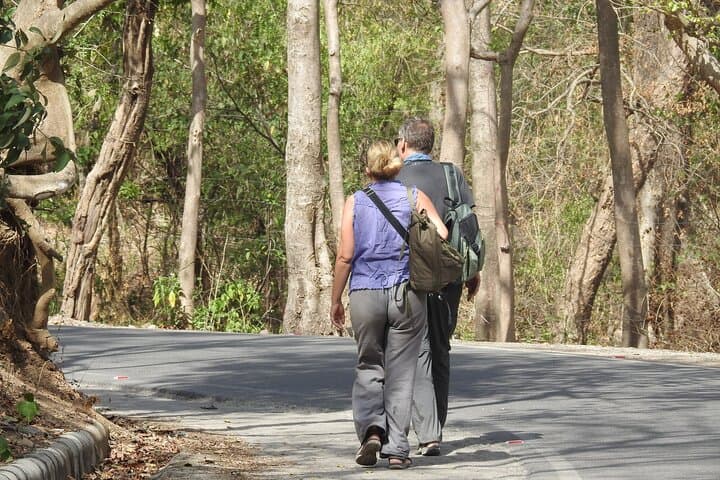
Expect uneven stone steps, river‑scattered sand, and quiet stretches where sound drops away. The guide interprets cultural cues—how to behave at shrines, when to remove shoes—and points out natural details, from fig roots gripping slopes to kingfishers fishing eddies. Practical notes: the full loop is 5–6 hours with moderate footing; start early to avoid midday heat and bring water, sun protection, and respectful clothing for temple visits. Leave no trace at sacred sites, follow your guide’s directions in forested areas, and allow extra time for pauses of silence at the caves.
moderate.
5–6 hours.
Suitable for travelers with moderate fitness and the ability to walk uneven stone paths and short steep sections.
The tour runs about 5–6 hours and is rated moderate—expect uneven stone steps, short steep sections and up to several kilometers of walking at a gentle to steady pace.
Access policies can change; some areas of the ashram are ticketed and the guide will handle logistics or advise on onsite payments if required.
Public restrooms and small cafés are available near Ram Jhula and major ashrams; options are limited inside the forest sections so plan accordingly.
Older travelers in good mobility and children used to multi‑hour walks can participate, but the route is not recommended for those with serious spinal, heart, or mobility issues.
Rishikesh grew as a pilgrimage town and yoga center in the 19th–20th centuries; the Beatles’ 1968 visit amplified international interest in its ashrams and meditative culture.
The route skirts Rajaji National Park—stay on permitted paths, avoid feeding wildlife and carry out any litter to protect sacred and fragile riparian habitats.
Rishikesh Day Tour operates guided outdoor trips and adventures with an emphasis on safety, stewardship, and memorable experiences.
Morning light on the Ganges cuts through dust and prayer flags as walkers gather near Ram Jhula. The bridge hums with pilgrims, scooters and the steady current below that seems to push visitors toward the riverbank paths. This guided walk follows that current—across the iconic suspension bridge, past temple courtyards and into a fragment of forest where meditation caves and ruined ashrams press close to the river.
Morning light on the Ganges cuts through dust and prayer flags as walkers gather near Ram Jhula. The bridge hums with pilgrims, scooters and the steady current below that seems to push visitors toward the riverbank paths. This guided walk follows that current—across the iconic suspension bridge, past temple courtyards and into a fragment of forest where meditation caves and ruined ashrams press close to the river.
The route threads through living spiritual centers—Geeta Bhavan and Parmarth Niketan—places shaped by 20th‑century reform movements and ongoing devotional practice. A short detour brings you to the graffiti‑marked ruins of the Beatles Ashram (Chaurasi Kutia), a 1960s magnet for Western seekers where nature and concrete now trade space. Beyond the ashram the trail enters the fringe of Rajaji National Park; the geology shifts to exposed boulders and narrow forest roads that lead to Mauni Baba and Tat Wale Baba caves, long used by sadhus for silent practices.
Expect uneven stone steps, river‑scattered sand, and quiet stretches where sound drops away. The guide interprets cultural cues—how to behave at shrines, when to remove shoes—and points out natural details, from fig roots gripping slopes to kingfishers fishing eddies. Practical notes: the full loop is 5–6 hours with moderate footing; start early to avoid midday heat and bring water, sun protection, and respectful clothing for temple visits. Leave no trace at sacred sites, follow your guide’s directions in forested areas, and allow extra time for pauses of silence at the caves.