THE ADVENTURE COLLECTIVE® · Independent discovery and booking for outdoor travel

Experience the Ganga Aarti at sunset in Rishikesh: a guided evening walk that threads through ashrams, suspension bridges and sacred ghats while explaining the ritual, history and local etiquette.
Experience the Ganga Aarti at sunset in Rishikesh: a guided evening walk that threads through ashrams, suspension bridges and sacred ghats while explaining the ritual, history and local etiquette.
The sun slides behind the lower Himalayas and the Ganges takes on a molten glow. You stand on a stone ghat as priests light brass lamps that cast small, steady constellations on the river. Incense threads up into cool evening air while soft mantras pull the crowd together — pilgrims, tourists, and locals craning for a better view.
Verified experiences and guided adventures in the surrounding area.
Operated by Rishikesh Day Tour · Rishikesh, Uttarakhand
The sun slides behind the lower Himalayas and the Ganges takes on a molten glow. You stand on a stone ghat as priests light brass lamps that cast small, steady constellations on the river. Incense threads up into cool evening air while soft mantras pull the crowd together — pilgrims, tourists, and locals craning for a better view.
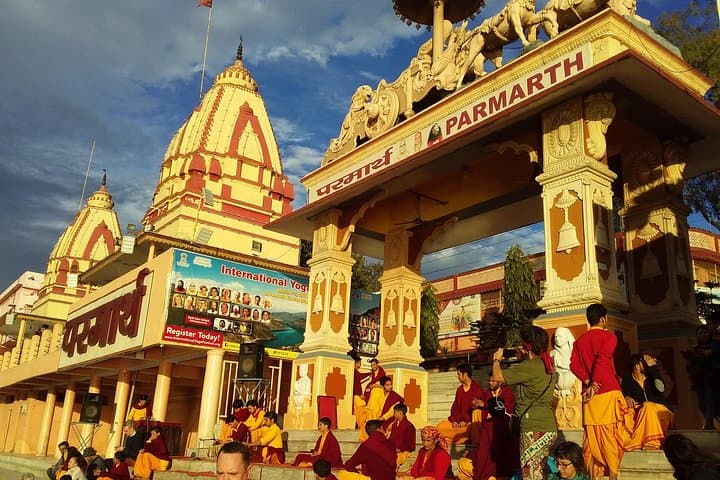
Rishikesh sits where the young Ganges first spills into the plains, a river shaped by glacial melt and Himalayan sediment. The town’s spiritual gravity grew in the 20th century as ashrams and yoga centres multiplied along Swargashram and the ghats. Parmarth Niketan and Shatrughan Ghat are focal points for the ritual: water, fire, and chant organized to honor the river that has carried centuries of pilgrimage.
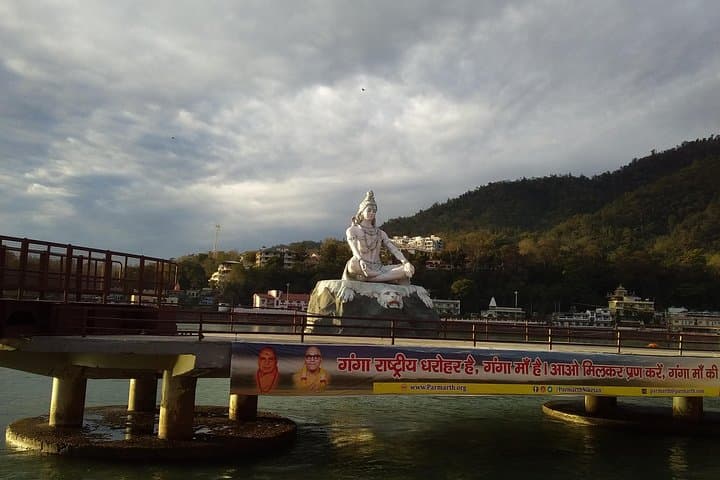
The guided walk moves at an easy pace between temples, suspension bridges like Ram Jhula, and quieter steps behind ashram gardens. Expect historical notes on each site, explanations of Aarti symbolism, and local etiquette: how to offer a lamp, where to stand, and when to remain silent.
Practical guide: the ceremony itself lasts about 1–1.5 hours; the full walking itinerary runs 3–4 hours and begins around sunset (Parmarth ~5:00 PM, Shatrughan ~5:30 PM). Wear modest, quick-dry clothing and non-slip shoes for wet stone. Carry a small water bottle, some cash for donations, and a light layer — evenings can be unexpectedly cool. Photography is common but be respectful during prayers and avoid stepping into ritual space. Arrive early for best vantage points; follow your guide for safety around crowded ghats and curious monkeys.
easy.
3–4 hours.
Light activity; suitable for most fitness levels and those comfortable walking on uneven, sometimes wet surfaces.
The core Aarti lasts about 1 to 1.5 hours, but the guided walk that visits multiple ashrams and ghats typically takes 3–4 hours total.
Yes, but be respectful: avoid using flash during prayers, step back from priests and worshippers, and follow any requests from your guide or temple staff.
The walk is described as physically easy, but ghats involve steps and slippery stones; bring assistance for those with mobility issues and supervise children around the water.
No — offerings are voluntary. It’s customary to have small cash for optional donations, temple fees, or buying a floating lamp to release on the river.
Rishikesh evolved as a pilgrimage town where Himalayan rivers meet plains; modern ashrams established in the 20th century made it an international yoga and spiritual hub.
The Ganges faces pollution and heavy pilgrimage pressure; practise low-impact travel—avoid plastic, use designated paths, and decline single-use offerings when possible.
Rishikesh Day Tour operates guided outdoor trips and adventures with an emphasis on safety, stewardship, and memorable experiences.
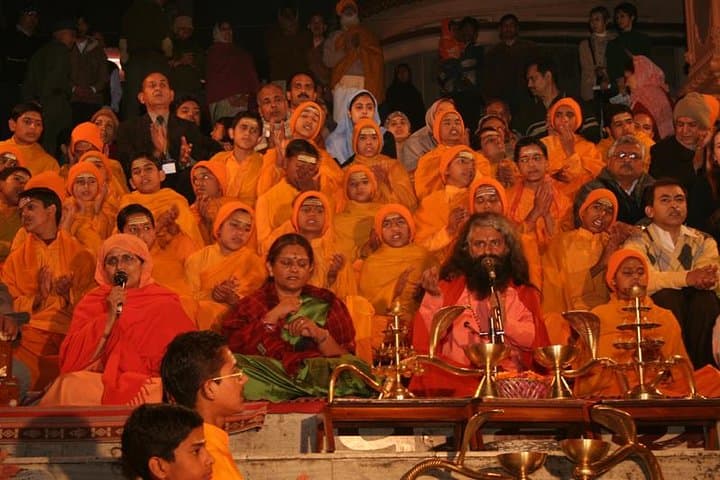
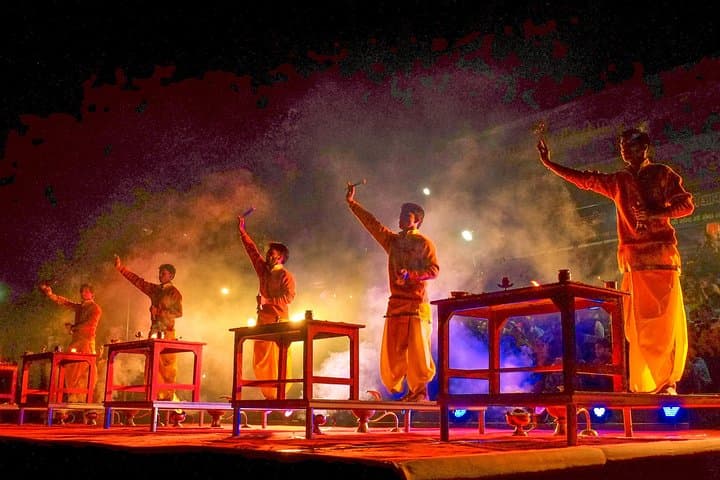
The sun slides behind the lower Himalayas and the Ganges takes on a molten glow. You stand on a stone ghat as priests light brass lamps that cast small, steady constellations on the river. Incense threads up into cool evening air while soft mantras pull the crowd together — pilgrims, tourists, and locals craning for a better view.
The sun slides behind the lower Himalayas and the Ganges takes on a molten glow. You stand on a stone ghat as priests light brass lamps that cast small, steady constellations on the river. Incense threads up into cool evening air while soft mantras pull the crowd together — pilgrims, tourists, and locals craning for a better view.
Rishikesh sits where the young Ganges first spills into the plains, a river shaped by glacial melt and Himalayan sediment. The town’s spiritual gravity grew in the 20th century as ashrams and yoga centres multiplied along Swargashram and the ghats. Parmarth Niketan and Shatrughan Ghat are focal points for the ritual: water, fire, and chant organized to honor the river that has carried centuries of pilgrimage.
The guided walk moves at an easy pace between temples, suspension bridges like Ram Jhula, and quieter steps behind ashram gardens. Expect historical notes on each site, explanations of Aarti symbolism, and local etiquette: how to offer a lamp, where to stand, and when to remain silent.
Practical guide: the ceremony itself lasts about 1–1.5 hours; the full walking itinerary runs 3–4 hours and begins around sunset (Parmarth ~5:00 PM, Shatrughan ~5:30 PM). Wear modest, quick-dry clothing and non-slip shoes for wet stone. Carry a small water bottle, some cash for donations, and a light layer — evenings can be unexpectedly cool. Photography is common but be respectful during prayers and avoid stepping into ritual space. Arrive early for best vantage points; follow your guide for safety around crowded ghats and curious monkeys.