THE ADVENTURE COLLECTIVE® · Independent discovery and booking for outdoor travel

Experience Whitechapel after dark with handheld projectors that paint large-scale images on the alleys where the Ripper crimes occurred. This 1 hour 45 minute guided walk uses Ripper‑Vision technology to pair forensic and social history with a measured, on-foot exploration of Victorian London.
Experience Whitechapel after dark with handheld projectors that paint large-scale images on the alleys where the Ripper crimes occurred. This 1 hour 45 minute guided walk uses Ripper‑Vision technology to pair forensic and social history with a measured, on-foot exploration of Victorian London.
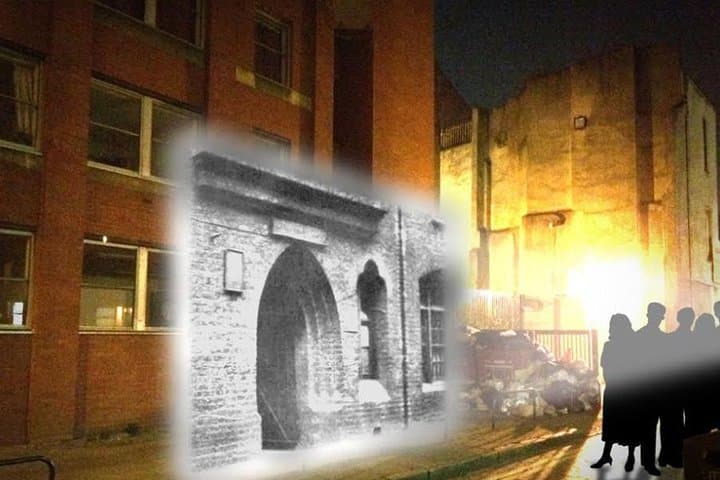
A damp evening on a narrow Whitechapel lane: footsteps echo, streetlamps pool in the puddles, and a handheld projector blasts five‑foot images across a brick wall — faces, maps, and archival film that make the past push into the present. The Ripper‑Vision tour uses high‑luminosity projectors to overlay photographs and moving images onto the alleys where Victorian London’s most notorious crimes were committed, turning ordinary façades into visual chapters of a grim history.
Verified experiences and guided adventures in the surrounding area.
Operated by secret chamber tours ltd · London, England
A damp evening on a narrow Whitechapel lane: footsteps echo, streetlamps pool in the puddles, and a handheld projector blasts five‑foot images across a brick wall — faces, maps, and archival film that make the past push into the present. The Ripper‑Vision tour uses high‑luminosity projectors to overlay photographs and moving images onto the alleys where Victorian London’s most notorious crimes were committed, turning ordinary façades into visual chapters of a grim history.
The walk threads through the East End, where overcrowding, poverty and a booming industrial economy shaped daily life in the late 19th century. The murders attributed to Jack the Ripper in 1888 exposed the era’s social strains and the limits of Victorian policing; the tour situates those facts alongside local institutions — public houses, markets, and the docks of the nearby Thames — so you understand place as well as incident.
Expect roughly 1 hour 45 minutes of mostly standing and slow walking on uneven pavements and cobbles. Guides narrate for mixed audiences, balancing forensic detail with cultural context; Ripper‑Vision’s projections augment rather than replace the physical route. Practical points: bring weatherproof layers, charge your phone (projector light can affect photos), and be prepared for mature subject matter — the material remains sensitive.
This is not a ghost show but a documentary‑led evening walk: it’s tactile, occasionally jarring, and designed to leave you with clearer questions about Victorian society than easy answers. Book in advance, arrive 10–15 minutes early, and expect a memorable, image‑rich way to read Whitechapel’s streets.
easy.
1.5–2 hours.
Basic walking fitness; participants should be comfortable standing and moving across uneven pavement for the duration.
The tour runs approximately 105 minutes (about 1 hour 45 minutes) and follows a walking route through Whitechapel.
Yes — mobile or paper tickets are accepted; have your booking confirmation ready on arrival.
Content covers real historic murders and can be graphic; it’s recommended for mature teens and adults — use discretion for younger children.
Full refunds are available if you cancel at least 24 hours before the scheduled departure time.
Whitechapel was a densely populated working‑class district in the 1880s; the Ripper murders combined with poor housing and limited policing to create a national scandal in 1888.
Respect historic buildings and local businesses: avoid touching architecture and follow the guide’s routes to minimize wear on narrow alleys.
secret chamber tours ltd operates guided outdoor trips and adventures with an emphasis on safety, stewardship, and memorable experiences.
A damp evening on a narrow Whitechapel lane: footsteps echo, streetlamps pool in the puddles, and a handheld projector blasts five‑foot images across a brick wall — faces, maps, and archival film that make the past push into the present. The Ripper‑Vision tour uses high‑luminosity projectors to overlay photographs and moving images onto the alleys where Victorian London’s most notorious crimes were committed, turning ordinary façades into visual chapters of a grim history.
A damp evening on a narrow Whitechapel lane: footsteps echo, streetlamps pool in the puddles, and a handheld projector blasts five‑foot images across a brick wall — faces, maps, and archival film that make the past push into the present. The Ripper‑Vision tour uses high‑luminosity projectors to overlay photographs and moving images onto the alleys where Victorian London’s most notorious crimes were committed, turning ordinary façades into visual chapters of a grim history.
The walk threads through the East End, where overcrowding, poverty and a booming industrial economy shaped daily life in the late 19th century. The murders attributed to Jack the Ripper in 1888 exposed the era’s social strains and the limits of Victorian policing; the tour situates those facts alongside local institutions — public houses, markets, and the docks of the nearby Thames — so you understand place as well as incident.
Expect roughly 1 hour 45 minutes of mostly standing and slow walking on uneven pavements and cobbles. Guides narrate for mixed audiences, balancing forensic detail with cultural context; Ripper‑Vision’s projections augment rather than replace the physical route. Practical points: bring weatherproof layers, charge your phone (projector light can affect photos), and be prepared for mature subject matter — the material remains sensitive.
This is not a ghost show but a documentary‑led evening walk: it’s tactile, occasionally jarring, and designed to leave you with clearer questions about Victorian society than easy answers. Book in advance, arrive 10–15 minutes early, and expect a memorable, image‑rich way to read Whitechapel’s streets.