THE ADVENTURE COLLECTIVE® · Independent discovery and booking for outdoor travel

Spend a full day tracing Rio’s green heart — from the Jardim Botânico’s imperial palms to BioParque’s conservation exhibits and the panoramic heights of Sugarloaf. This guided expedition combines easy walking, wildlife viewing, and cultural highlights across the city’s best natural sites.
Spend a full day tracing Rio’s green heart — from the Jardim Botânico’s imperial palms to BioParque’s conservation exhibits and the panoramic heights of Sugarloaf. This guided expedition combines easy walking, wildlife viewing, and cultural highlights across the city’s best natural sites.
You step out of the car and the city exhales: ocean light hits granite, palms lean toward passing breezes, and the forest smells of wet earth. Over the next seven hours you move through distinct pockets of Rio’s wild — from the curated alleys of the Botanical Garden to the vibrant enclosures of BioParque and the vertiginous summit views of Sugarloaf via cable car.
Verified experiences and guided adventures in the surrounding area.
Operated by Opatrip.com Brazil · Rio de Janeiro, Rio de Janeiro
You step out of the car and the city exhales: ocean light hits granite, palms lean toward passing breezes, and the forest smells of wet earth. Over the next seven hours you move through distinct pockets of Rio’s wild — from the curated alleys of the Botanical Garden to the vibrant enclosures of BioParque and the vertiginous summit views of Sugarloaf via cable car.
The Jardim Botânico dates to 1808, planted under royal direction as a scientific and acclimatization center; its avenues of imperial palms and orchids tell a history of colonial botany and modern conservation. Sugarloaf, a granite monolith sculpted by millions of years of coastal erosion, offers 360-degree context: mountain, bay, and Atlantic pushing into one another. Parque Lage brings cultural contrast — a historic mansion converted into an art school—while the Escadaria Selarón adds human color, a global mosaic in the middle of urban life.
Expect varied terrain: paved promenades, short garden trails, and flat park paths; the only steep movement comes at the cable-car ascent to Sugarloaf. Guides point out native species, explain conservation work at BioParque, and position each stop in Rio’s ecological web.
Practical edge: this is a full-day, mostly low-impact outing suitable for most fitness levels, but allow time for lines at Sugarloaf and factor in Rio’s sun and sudden showers. Carry water, sun protection, comfortable shoes, and a small rain layer. Be ready to keep pace with the group, follow wildlife rules (no feeding), and use mornings to avoid the heaviest crowds and heat.
easy.
7 hours.
Suitable for most fitness levels: requires walking on flat to gently uneven surfaces and standing during viewpoints; not strenuous.
Yes — the tour includes private car transport with a driver between included stops as part of the itinerary.
Yes — the itinerary is family-friendly with easy walking, though supervision is required around wildlife enclosures and viewpoints.
Entrance to BioParque and the Botanical Garden and the Sugarloaf cable car are included per the tour inclusions, but bring small cash for snacks or souvenirs.
Cameras are welcome and encouraged; drones are subject to local regulations and generally restricted in parks and around Sugarloaf — check with your guide.
Rio’s Botanical Garden was established in 1808 under Portuguese royal direction as a scientific acclimatization and research site; many plantings reflect that imperial origin.
BioParque emphasizes education and species conservation, and visitors are asked to stay on paths, avoid feeding wildlife, and support park fees that fund habitat protection.
Opatrip.com Brazil operates guided outdoor trips and adventures with an emphasis on safety, stewardship, and memorable experiences.
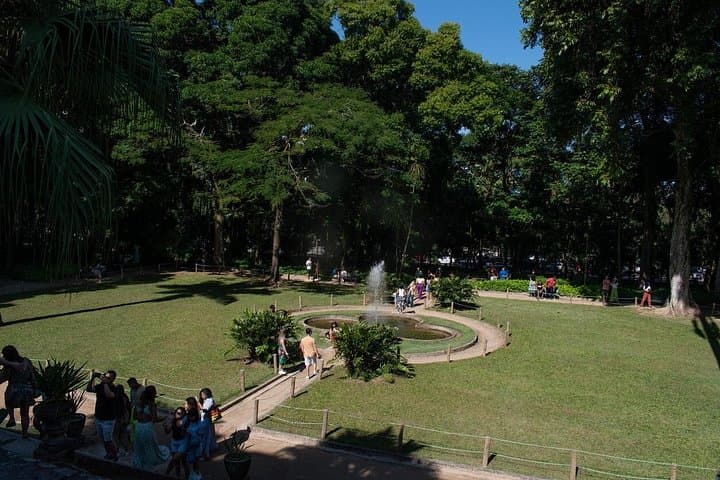
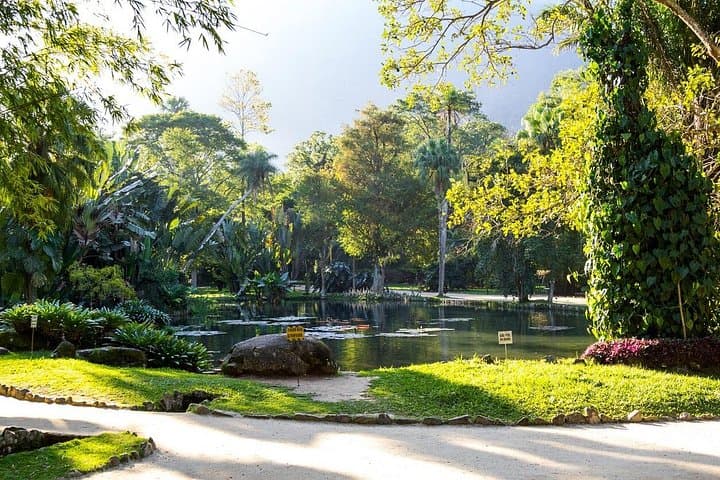
You step out of the car and the city exhales: ocean light hits granite, palms lean toward passing breezes, and the forest smells of wet earth. Over the next seven hours you move through distinct pockets of Rio’s wild — from the curated alleys of the Botanical Garden to the vibrant enclosures of BioParque and the vertiginous summit views of Sugarloaf via cable car.
You step out of the car and the city exhales: ocean light hits granite, palms lean toward passing breezes, and the forest smells of wet earth. Over the next seven hours you move through distinct pockets of Rio’s wild — from the curated alleys of the Botanical Garden to the vibrant enclosures of BioParque and the vertiginous summit views of Sugarloaf via cable car.
The Jardim Botânico dates to 1808, planted under royal direction as a scientific and acclimatization center; its avenues of imperial palms and orchids tell a history of colonial botany and modern conservation. Sugarloaf, a granite monolith sculpted by millions of years of coastal erosion, offers 360-degree context: mountain, bay, and Atlantic pushing into one another. Parque Lage brings cultural contrast — a historic mansion converted into an art school—while the Escadaria Selarón adds human color, a global mosaic in the middle of urban life.
Expect varied terrain: paved promenades, short garden trails, and flat park paths; the only steep movement comes at the cable-car ascent to Sugarloaf. Guides point out native species, explain conservation work at BioParque, and position each stop in Rio’s ecological web.
Practical edge: this is a full-day, mostly low-impact outing suitable for most fitness levels, but allow time for lines at Sugarloaf and factor in Rio’s sun and sudden showers. Carry water, sun protection, comfortable shoes, and a small rain layer. Be ready to keep pace with the group, follow wildlife rules (no feeding), and use mornings to avoid the heaviest crowds and heat.