THE ADVENTURE COLLECTIVE® · Independent discovery and booking for outdoor travel

See Rio’s best in one long, high-energy day: cable cars to Sugarloaf, a cog train through the Tijuca Rainforest to Christ the Redeemer, a stadium drive-by and an evening of samba at the Ginga Tropical Show. Practical logistics and a barbecue lunch are included.
See Rio’s best in one long, high-energy day: cable cars to Sugarloaf, a cog train through the Tijuca Rainforest to Christ the Redeemer, a stadium drive-by and an evening of samba at the Ginga Tropical Show. Practical logistics and a barbecue lunch are included.
The day begins with the city on the move: Atlantic light sliding across Copacabana, traffic humming through Laranjeiras, and the cable car already busy at Urca. You climb first toward Sugarloaf—an ascent that stages Guanabara Bay like a theater, first to Morro da Urca (215 m) and then to the summit at about 395 m, where the city spreads in plates of beach, bay and apartment-block green.
Verified experiences and guided adventures in the surrounding area.
Operated by Gray Line Brazil · Rio de Janeiro, Rio de Janeiro
The day begins with the city on the move: Atlantic light sliding across Copacabana, traffic humming through Laranjeiras, and the cable car already busy at Urca. You climb first toward Sugarloaf—an ascent that stages Guanabara Bay like a theater, first to Morro da Urca (215 m) and then to the summit at about 395 m, where the city spreads in plates of beach, bay and apartment-block green.
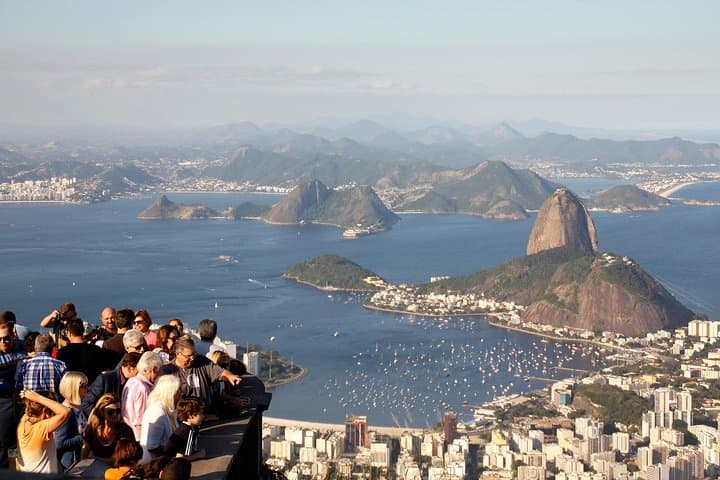
From geology to culture, this tour stitches Rio’s story together. Sugarloaf is a granite monolith carved by weathering and sea; Corcovado rises from the Tijuca Rainforest—an urban forest that claims roughly 7% of the city—and hosts the 38 m Christ the Redeemer statue. You’ll ride the cog train through dense canopy, feel the forest breathe around you, and note the 222 steps up to the statue platform if you choose the stairs. The itinerary also sweeps past Maracanã stadium (site of 1950 and 2014 World Cup finals), downtown landmarks and iconic beaches.
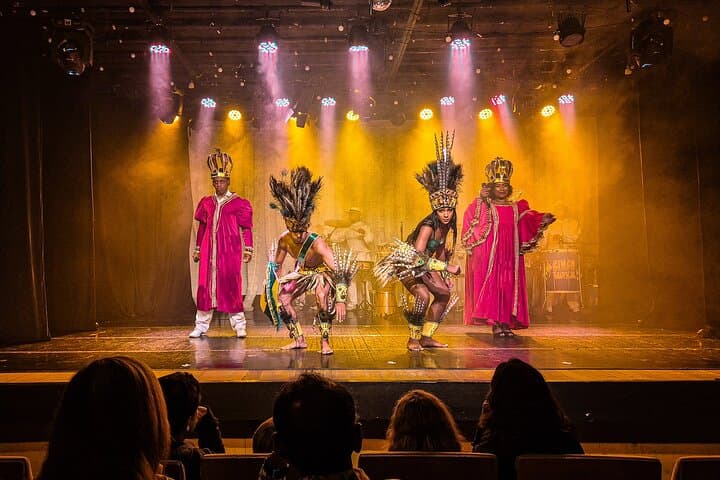
Practical edge: it’s a long day—about 14 hours—so plan for sustained energy. The tour includes hotel or port pickup, an all-you-can-eat barbecue lunch and pre-reserved tickets for Sugarloaf and Corcovado, which saves queuing time. Expect short walks, a few stair sections, and crowded viewpoints; mornings and late afternoons offer softer light and smaller crowds. Bring sun protection, a refillable water bottle, comfortable shoes and a light rain layer—tropical weather can flip fast. Finish the night at Ginga Tropical Show to see samba, forró and capoeira live—an energetic cultural encore after a day of high, sweeping views.
moderate.
14 hours.
Suitable for travelers in good general health who can handle walking, short stair sections and a long day on buses and cable cars.
The full experience is about 14 hours and includes hotel/port pickup, transport, cable car and cog train tickets, a churrascaria lunch and entry to the Ginga Tropical Show.
The Ginga Tropical Show runs on select nights (typically Thursdays and Saturdays); reconfirm your booking to match show dates.
The tour is generally accessible by vehicle and some attractions have lift options, but there are stair sections (including optional stairs at Corcovado) and some viewpoints have uneven surfaces—contact the operator before booking for accessibility details.
Yes — the operator notes you can separate Corcovado and Sugarloaf from the evening show if you prefer a less intensive schedule.
Corcovado and Sugarloaf have been dramatic landmarks since colonial times; the cog train and cable car systems date to the early 20th century and transformed access to these summits.
Tijuca Rainforest is a reforested urban park restored in the 19th century; stay on designated paths and avoid feeding wildlife to support ongoing conservation.
Gray Line Brazil operates guided outdoor trips and adventures with an emphasis on safety, stewardship, and memorable experiences.
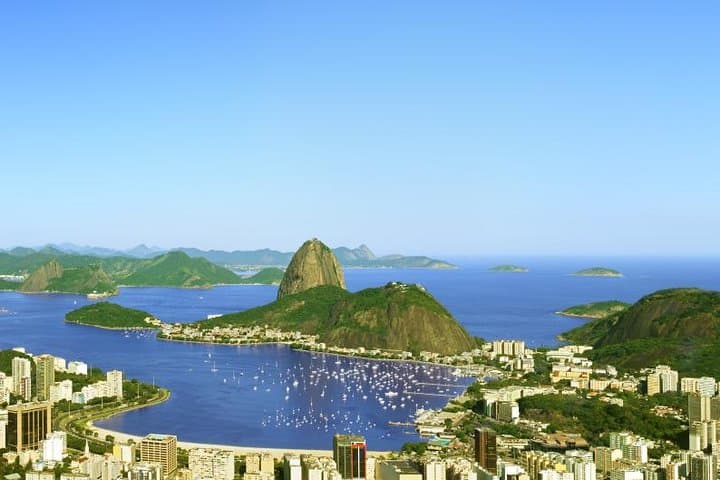

The day begins with the city on the move: Atlantic light sliding across Copacabana, traffic humming through Laranjeiras, and the cable car already busy at Urca. You climb first toward Sugarloaf—an ascent that stages Guanabara Bay like a theater, first to Morro da Urca (215 m) and then to the summit at about 395 m, where the city spreads in plates of beach, bay and apartment-block green.
The day begins with the city on the move: Atlantic light sliding across Copacabana, traffic humming through Laranjeiras, and the cable car already busy at Urca. You climb first toward Sugarloaf—an ascent that stages Guanabara Bay like a theater, first to Morro da Urca (215 m) and then to the summit at about 395 m, where the city spreads in plates of beach, bay and apartment-block green.
From geology to culture, this tour stitches Rio’s story together. Sugarloaf is a granite monolith carved by weathering and sea; Corcovado rises from the Tijuca Rainforest—an urban forest that claims roughly 7% of the city—and hosts the 38 m Christ the Redeemer statue. You’ll ride the cog train through dense canopy, feel the forest breathe around you, and note the 222 steps up to the statue platform if you choose the stairs. The itinerary also sweeps past Maracanã stadium (site of 1950 and 2014 World Cup finals), downtown landmarks and iconic beaches.
Practical edge: it’s a long day—about 14 hours—so plan for sustained energy. The tour includes hotel or port pickup, an all-you-can-eat barbecue lunch and pre-reserved tickets for Sugarloaf and Corcovado, which saves queuing time. Expect short walks, a few stair sections, and crowded viewpoints; mornings and late afternoons offer softer light and smaller crowds. Bring sun protection, a refillable water bottle, comfortable shoes and a light rain layer—tropical weather can flip fast. Finish the night at Ginga Tropical Show to see samba, forró and capoeira live—an energetic cultural encore after a day of high, sweeping views.