THE ADVENTURE COLLECTIVE® · Independent discovery and booking for outdoor travel

Pack Sugarloaf and Christ the Redeemer into one efficient shore day—skip-the-line tickets, a cable car, a cog train through Tijuca Forest and optional churrascaria lunch. Ideal for cruise passengers wanting Rio’s highlights in a single, well-paced outing.
Pack Sugarloaf and Christ the Redeemer into one efficient shore day—skip-the-line tickets, a cable car, a cog train through Tijuca Forest and optional churrascaria lunch. Ideal for cruise passengers wanting Rio’s highlights in a single, well-paced outing.
Stepping off the cruise terminal into Rio’s sun-washed air, travelers are quickly swallowed by a city of angles—bay curves, granite monoliths and the outstretched arms of a statue that watches the harbor.
Verified experiences and guided adventures in the surrounding area.
Operated by Gray Line Brazil · Rio de Janeiro, Rio de Janeiro
Stepping off the cruise terminal into Rio’s sun-washed air, travelers are quickly swallowed by a city of angles—bay curves, granite monoliths and the outstretched arms of a statue that watches the harbor.
The day begins along Guanabara Bay, riding the historic cable car up Morro da Urca and then to the crest of Sugarloaf (Pão de Açúcar) at 395 meters, where the city unfolds in ribboned beaches and glittering bays. Later, the cog train threads upward through the Tijuca Rain Forest—an engineered regrowth born of 19th-century reforestation—delivering visitors to Corcovado and the 38-meter Christ the Redeemer statue inaugurated in 1931.
Geology here is dramatic: granite inselbergs rise from coastal plain, buffered by urban forest that tames runoff and hosts a surprising number of birds and primates. Cultural notes punctuate the route—Laranjeiras and the Guanabara Palace, the Afro-Brazilian pulse of the Sambodrome and the churrascaria tradition at lunch.
Practically, the tour is paced to maximize views and minimize lines: prebooked cable car and train tickets, guided port pickup and an included lunch option. Expect short walks, some stair climbs (up to 222 steps at Corcovado if you choose) and chances for bright, midday sun.
Pack water, sun protection and a light layer for coastal breezes. Timing matters—clear mornings yield the best vistas; late afternoons can bring cloud over Corcovado. With logistics handled, the day is less about transit and more about standing on high ground and letting the city spread beneath you.
easy.
9–10 hours.
Suitable for most fitness levels; should be able to walk short distances and climb stairs if choosing the 222-step route.
Yes—port pickup and drop-off are included; meet your guide at the designated cruise terminal exit as instructed on your voucher.
Lunch is included only if you select the option with lunch; otherwise guides provide local restaurant recommendations near Sugarloaf.
The tour runs approximately 9–10 hours from port pickup to drop-off, with set time windows at Sugarloaf and Corcovado.
The tour notes stroller accessibility and infants may sit on laps; some areas involve stairs and uneven surfaces—contact the operator ahead to discuss wheelchair needs.
Christ the Redeemer was completed in 1931 and Sugarloaf’s cable car system opened in 1912; the Tijuca Forest is largely a 19th-century reforestation project that saved the watershed.
Tijuca is a protected urban forest—stick to trails, avoid feeding wildlife and use water refill options to reduce plastic waste.
Gray Line Brazil operates guided outdoor trips and adventures with an emphasis on safety, stewardship, and memorable experiences.



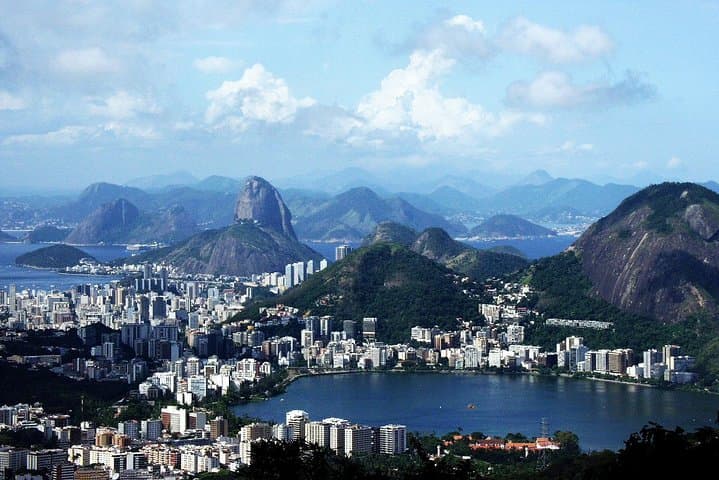
Stepping off the cruise terminal into Rio’s sun-washed air, travelers are quickly swallowed by a city of angles—bay curves, granite monoliths and the outstretched arms of a statue that watches the harbor.
Stepping off the cruise terminal into Rio’s sun-washed air, travelers are quickly swallowed by a city of angles—bay curves, granite monoliths and the outstretched arms of a statue that watches the harbor.
The day begins along Guanabara Bay, riding the historic cable car up Morro da Urca and then to the crest of Sugarloaf (Pão de Açúcar) at 395 meters, where the city unfolds in ribboned beaches and glittering bays. Later, the cog train threads upward through the Tijuca Rain Forest—an engineered regrowth born of 19th-century reforestation—delivering visitors to Corcovado and the 38-meter Christ the Redeemer statue inaugurated in 1931.
Geology here is dramatic: granite inselbergs rise from coastal plain, buffered by urban forest that tames runoff and hosts a surprising number of birds and primates. Cultural notes punctuate the route—Laranjeiras and the Guanabara Palace, the Afro-Brazilian pulse of the Sambodrome and the churrascaria tradition at lunch.
Practically, the tour is paced to maximize views and minimize lines: prebooked cable car and train tickets, guided port pickup and an included lunch option. Expect short walks, some stair climbs (up to 222 steps at Corcovado if you choose) and chances for bright, midday sun.
Pack water, sun protection and a light layer for coastal breezes. Timing matters—clear mornings yield the best vistas; late afternoons can bring cloud over Corcovado. With logistics handled, the day is less about transit and more about standing on high ground and letting the city spread beneath you.