THE ADVENTURE COLLECTIVE® · Independent discovery and booking for outdoor travel

Move to the heartbeat of Rio with a one-hour samba session led by a passista. This beginners-friendly class blends technique, rhythm drills, and a short routine to get you dancing confidently in 60 minutes.
Move to the heartbeat of Rio with a one-hour samba session led by a passista. This beginners-friendly class blends technique, rhythm drills, and a short routine to get you dancing confidently in 60 minutes.
The studio lights throw long shadows across a warmed wooden floor as percussion simmers through the speakers. You step in and a passista—an experienced samba dancer—meets you with a quick, guiding smile. The class begins with a breath-led warm-up, then a heartbeat of steps: hip accents, syncopated footwork, and arms that cut the air like punctuation.
Verified experiences and guided adventures in the surrounding area.
Operated by TURISMO NO RIO DE JANEIRO EXPERIENCE · Rio de Janeiro, Rio de Janeiro
The studio lights throw long shadows across a warmed wooden floor as percussion simmers through the speakers. You step in and a passista—an experienced samba dancer—meets you with a quick, guiding smile. The class begins with a breath-led warm-up, then a heartbeat of steps: hip accents, syncopated footwork, and arms that cut the air like punctuation.
Samba grew from Afro-Brazilian communities in early 20th-century Rio, evolving from street rodas to the polished pages of Carnival. The city’s geography—Guanabara Bay, Sugarloaf, the steep hills of Santa Teresa—has always shaped its movement culture; neighborhoods traded rhythms as easily as they traded stories. In Lapa, where dance and nightlife overlap, samba is both daily language and celebration.
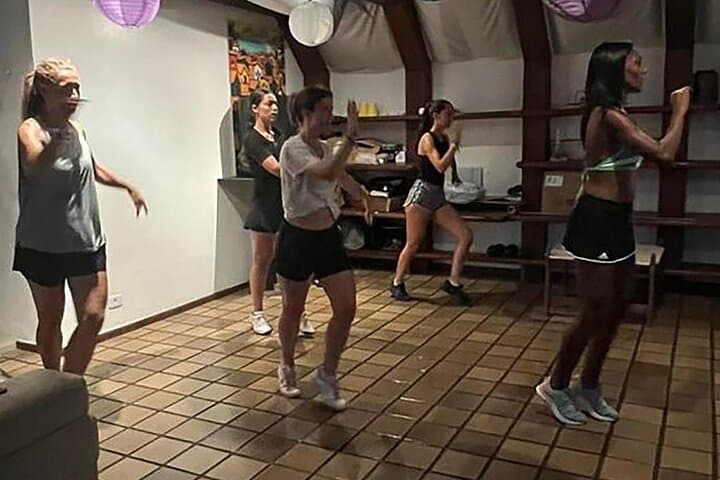
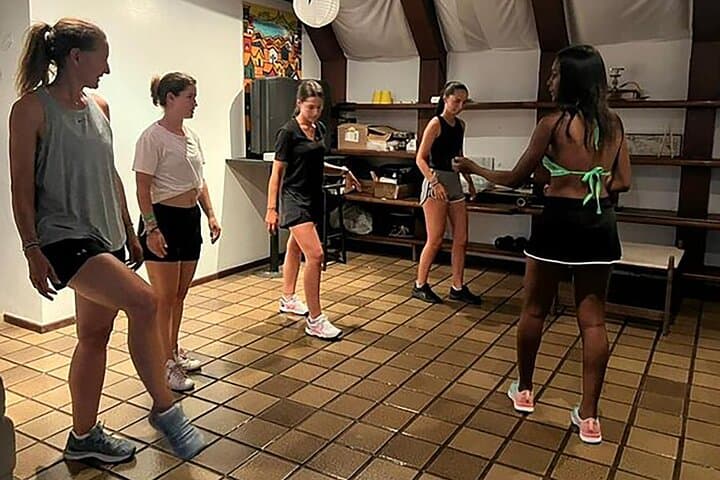
Expect a class that reads like a short curriculum: dynamic stretches, foundational steps, progressive patterns added into a short routine, and time at the end to practice with partners. The passista mixes technique tips—weight transfer, syncopation, posture—with encouragement to loosen up and listen to the bateria.
Practical notes: the session is one hour, suitable for beginners and all fitness levels, and capped at small group sizes to keep hands-on coaching effective. Wear breathable clothes and supportive shoes with a smooth sole for pivots. Bring water and a small towel; Rio’s humidity can make movement feel heavier.
Arrive 10–15 minutes early to meet the instructor and warm up. If you love rhythm and social movement, this class is an efficient, high-energy way to enter Rio’s samba world.
easy.
1 hour.
Light cardio and balance; suitable for most adults who can stand and move continuously for 60 minutes.
No — the class is designed for all fitness and experience levels; instructors teach basics first and add complexity as you progress.
No — you can join solo; exercises include partner drills but instructors rotate partners so everyone gets practice.
You can receive a full refund by canceling at least 24 hours before the scheduled start time.
Meeting is at the dance studio in central Rio (Lapa area commonly); arrive 10–15 minutes early to check in and warm up.
Samba emerged in Rio’s Afro-Brazilian neighborhoods in the early 1900s and became central to Carnival culture and the city’s musical identity.
Respect local noise ordinances and studio neighbors, dispose of waste properly, and support studios that pay local musicians and teachers fairly.
TURISMO NO RIO DE JANEIRO EXPERIENCE operates guided outdoor trips and adventures with an emphasis on safety, stewardship, and memorable experiences.
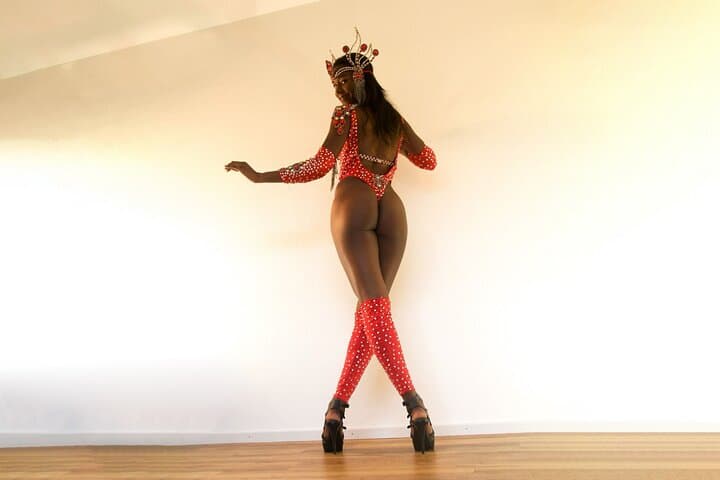

The studio lights throw long shadows across a warmed wooden floor as percussion simmers through the speakers. You step in and a passista—an experienced samba dancer—meets you with a quick, guiding smile. The class begins with a breath-led warm-up, then a heartbeat of steps: hip accents, syncopated footwork, and arms that cut the air like punctuation.
The studio lights throw long shadows across a warmed wooden floor as percussion simmers through the speakers. You step in and a passista—an experienced samba dancer—meets you with a quick, guiding smile. The class begins with a breath-led warm-up, then a heartbeat of steps: hip accents, syncopated footwork, and arms that cut the air like punctuation.
Samba grew from Afro-Brazilian communities in early 20th-century Rio, evolving from street rodas to the polished pages of Carnival. The city’s geography—Guanabara Bay, Sugarloaf, the steep hills of Santa Teresa—has always shaped its movement culture; neighborhoods traded rhythms as easily as they traded stories. In Lapa, where dance and nightlife overlap, samba is both daily language and celebration.
Expect a class that reads like a short curriculum: dynamic stretches, foundational steps, progressive patterns added into a short routine, and time at the end to practice with partners. The passista mixes technique tips—weight transfer, syncopation, posture—with encouragement to loosen up and listen to the bateria.
Practical notes: the session is one hour, suitable for beginners and all fitness levels, and capped at small group sizes to keep hands-on coaching effective. Wear breathable clothes and supportive shoes with a smooth sole for pivots. Bring water and a small towel; Rio’s humidity can make movement feel heavier.
Arrive 10–15 minutes early to meet the instructor and warm up. If you love rhythm and social movement, this class is an efficient, high-energy way to enter Rio’s samba world.