THE ADVENTURE COLLECTIVE® · Independent discovery and booking for outdoor travel

A private two-hour walking tour through Rio’s Centro that mixes baroque churches, bold public art, and leafy public gardens—ideal for couples who want a focused, intimate view of the city’s history and city life. Walk paved streets, climb mosaic steps, and pause in quiet corners while a local guide brings the layers of Rio to life.
A private two-hour walking tour through Rio’s Centro that mixes baroque churches, bold public art, and leafy public gardens—ideal for couples who want a focused, intimate view of the city’s history and city life. Walk paved streets, climb mosaic steps, and pause in quiet corners while a local guide brings the layers of Rio to life.
You step off Avenida Rio Branco into a pulse of colonial stone and modern glass, the city pressing close with the smell of coffee and ocean. Couples drift along mosaic stairs, cross plazas where baroque churches hold court, and find quiet in a public garden that has watched the city change for two centuries.
Verified experiences and guided adventures in the surrounding area.
Operated by Opatrip.com Brazil · Rio de Janeiro, Rio de Janeiro
You step off Avenida Rio Branco into a pulse of colonial stone and modern glass, the city pressing close with the smell of coffee and ocean. Couples drift along mosaic stairs, cross plazas where baroque churches hold court, and find quiet in a public garden that has watched the city change for two centuries.
Centro is Rio de Janeiro’s historic center — the administrative and commercial heart shaped by Portuguese colonial planning, 19th-century imperial expansion, and 20th-century urban modernization. Granite streets and carved stone façades tell a layered story: churches built with imported skills, public squares that hosted coffee wealth and republican rallies, and mosaics that transformed a stairway into living art.
This private two-hour walking tour moves through compact, walkable blocks: Igreja de São Francisco de Paula’s baroque calm; Rua da Carioca’s cafés and storefronts; the wide, bustling sweep of Avenida Rio Branco; the modern cone of the Metropolitan Cathedral; the color-drenched Escadaria Selarón; and the shaded paths of Passeio Público. Expect mostly paved walking with short stair sections and curbs—comfortable shoes and steady footing matter more than technical gear.
Timing matters: early morning or late afternoon light softens the façades and reduces heat and crowds. Bring a small bottle of water, modest clothing for churches, and a camera—this is the kind of route that rewards slow movement and quiet observation. Local guides add context about architecture, public art, and the small cafés that still serve old-school pastries—practical details that turn a romantic stroll into a richer, informed encounter with Rio.
easy.
2 hours.
Light walking; suitable for most fitness levels but requires standing and short stair climbs.
Meeting points are typically in central Centro near Avenida Rio Branco or a nearby landmark; your confirmation will specify the exact location.
The route is family-friendly but includes stairs at Selarón and some uneven sidewalks—strollers may be difficult in those sections.
Yes; the itinerary includes exterior and interior visits to notable churches when open, but dress modestly and be prepared for brief quiet times.
Most private tours offer guides in Portuguese and English; check booking details for other language options.
Centro grew from a Portuguese colonial port into Brazil’s imperial and financial center; its architecture reflects waves of wealth, reform, and modern urban planning.
High foot traffic and souvenir handling stress sites like the Selarón steps—respect barriers, avoid climbing on mosaics, and support local businesses to ensure sustainable tourism.
Opatrip.com Brazil operates guided outdoor trips and adventures with an emphasis on safety, stewardship, and memorable experiences.

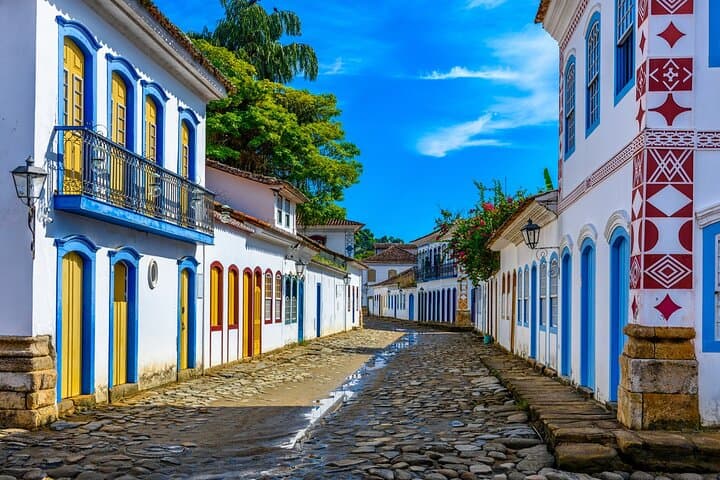

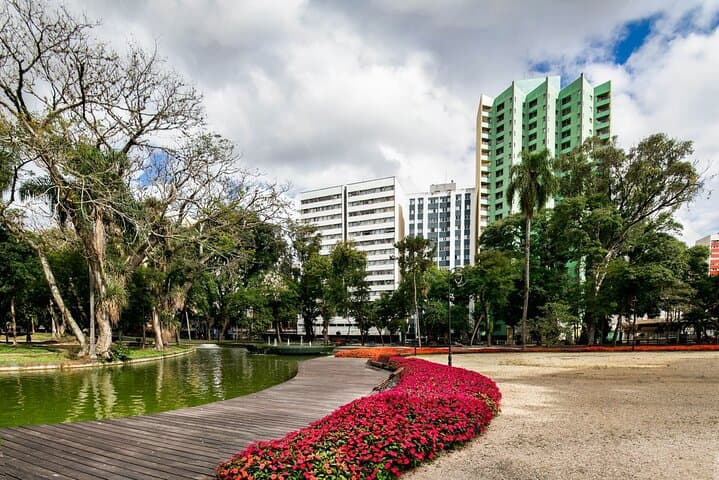
You step off Avenida Rio Branco into a pulse of colonial stone and modern glass, the city pressing close with the smell of coffee and ocean. Couples drift along mosaic stairs, cross plazas where baroque churches hold court, and find quiet in a public garden that has watched the city change for two centuries.
You step off Avenida Rio Branco into a pulse of colonial stone and modern glass, the city pressing close with the smell of coffee and ocean. Couples drift along mosaic stairs, cross plazas where baroque churches hold court, and find quiet in a public garden that has watched the city change for two centuries.
Centro is Rio de Janeiro’s historic center — the administrative and commercial heart shaped by Portuguese colonial planning, 19th-century imperial expansion, and 20th-century urban modernization. Granite streets and carved stone façades tell a layered story: churches built with imported skills, public squares that hosted coffee wealth and republican rallies, and mosaics that transformed a stairway into living art.
This private two-hour walking tour moves through compact, walkable blocks: Igreja de São Francisco de Paula’s baroque calm; Rua da Carioca’s cafés and storefronts; the wide, bustling sweep of Avenida Rio Branco; the modern cone of the Metropolitan Cathedral; the color-drenched Escadaria Selarón; and the shaded paths of Passeio Público. Expect mostly paved walking with short stair sections and curbs—comfortable shoes and steady footing matter more than technical gear.
Timing matters: early morning or late afternoon light softens the façades and reduces heat and crowds. Bring a small bottle of water, modest clothing for churches, and a camera—this is the kind of route that rewards slow movement and quiet observation. Local guides add context about architecture, public art, and the small cafés that still serve old-school pastries—practical details that turn a romantic stroll into a richer, informed encounter with Rio.