THE ADVENTURE COLLECTIVE® · Independent discovery and booking for outdoor travel

See Rio’s signature viewpoints in a single day: cable car to Sugarloaf, panoramic city stops, a churrascaria lunch option, the Selarón Steps and Christ the Redeemer. Practical routing and hotel pickup make this a compact, photo‑friendly introduction to the city.
See Rio’s signature viewpoints in a single day: cable car to Sugarloaf, panoramic city stops, a churrascaria lunch option, the Selarón Steps and Christ the Redeemer. Practical routing and hotel pickup make this a compact, photo‑friendly introduction to the city.
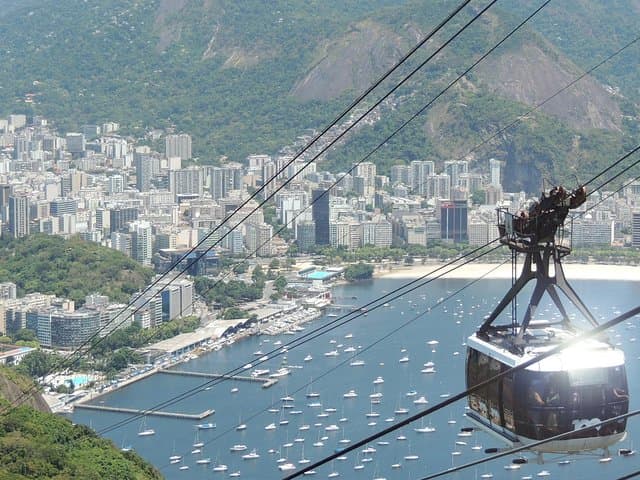
Morning light settles between granite and surf as the van slips out of Copacabana, the Sugarloaf cable car already humming in the distance and Corcovado’s silhouette rising over Tijuca Forest.
Verified experiences and guided adventures in the surrounding area.
Operated by Gray Line Brazil · Rio de Janeiro, Rio de Janeiro
Morning light settles between granite and surf as the van slips out of Copacabana, the Sugarloaf cable car already humming in the distance and Corcovado’s silhouette rising over Tijuca Forest.
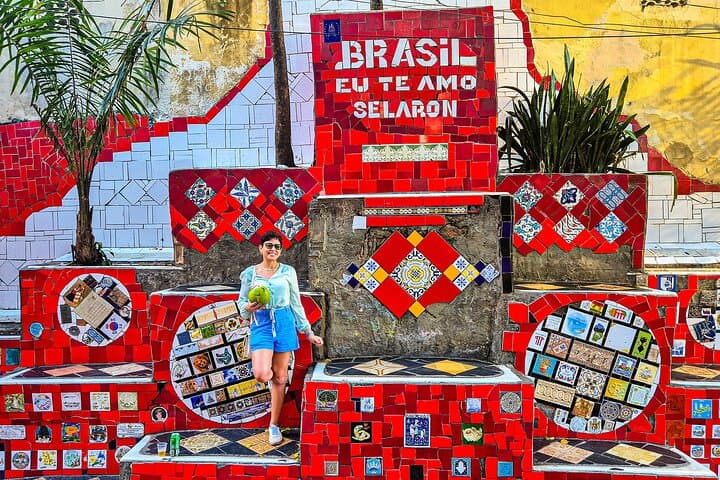
This nine‑hour guided circuit stitches Rio’s most recognisable viewpoints into a practical route: a panoramic pass through downtown and the Metropolitan Cathedral, a two‑stage ascent to Sugarloaf’s 395‑meter peak by cable car, a churrascaria lunch (optional), a short photo stop at Jorge Selarón’s rainbow steps, and a visit to Christ the Redeemer with shuttle access and the choice of the 222 stairs or lift/escalator to the platform.
Geology and history are visible from every vantage. Sugarloaf is a weathered granite monolith shaped by sea breezes; Corcovado crowns the reclaimed Tijuca Massif, part of one of the largest urban reforestation projects in the world. Selarón’s steps are late‑20th century folk art overlaid on historic Lapa architecture. Expect brief, often steep walks, paved viewpoints and busy observation platforms.
Practical guidance: wear comfortable shoes for stairs and cobbles, bring sunscreen and a refillable water bottle, and allow buffer time for traffic and queues. Hotel pickups in Copacabana, Ipanema, Leblon and São Conrado shorten transfers. If you select the lunch option, plan for a robust Brazilian barbecue with vegetarian alternatives. The tour is best for travelers who want a compact, photo‑forward survey of Rio’s icons with minimal planning overhead.
easy.
9 hours.
Light walking interspersed with long vehicle transfers; suitable for average fitness and travelers comfortable with short stair sections.
Roundtrip pickup is included for most hotels in Copacabana, Ipanema, Leblon, São Conrado and Barra da Tijuca—confirm your pickup point when reconfirming.
Lunch is included only on the option with barbecue; there are vegetarian options available, and guides can recommend alternatives if you choose the no‑lunch option.
Yes—visitors can climb the 222 steps to the platform or take a lift and escalator; both options are available depending on your mobility and preference.
The tour runs in any weather; poor visibility can affect views, but cable cars and Corcovado access generally operate unless authorities close them for safety.
Rio grew as a colonial port from the 16th century; Corcovado’s Christ was completed in 1931 and quickly became a national landmark.
Tijuca Forest is a restored urban forest; visitors are encouraged to stay on paths, minimise waste and support local conservation initiatives.
Gray Line Brazil operates guided outdoor trips and adventures with an emphasis on safety, stewardship, and memorable experiences.


Morning light settles between granite and surf as the van slips out of Copacabana, the Sugarloaf cable car already humming in the distance and Corcovado’s silhouette rising over Tijuca Forest.
Morning light settles between granite and surf as the van slips out of Copacabana, the Sugarloaf cable car already humming in the distance and Corcovado’s silhouette rising over Tijuca Forest.
This nine‑hour guided circuit stitches Rio’s most recognisable viewpoints into a practical route: a panoramic pass through downtown and the Metropolitan Cathedral, a two‑stage ascent to Sugarloaf’s 395‑meter peak by cable car, a churrascaria lunch (optional), a short photo stop at Jorge Selarón’s rainbow steps, and a visit to Christ the Redeemer with shuttle access and the choice of the 222 stairs or lift/escalator to the platform.
Geology and history are visible from every vantage. Sugarloaf is a weathered granite monolith shaped by sea breezes; Corcovado crowns the reclaimed Tijuca Massif, part of one of the largest urban reforestation projects in the world. Selarón’s steps are late‑20th century folk art overlaid on historic Lapa architecture. Expect brief, often steep walks, paved viewpoints and busy observation platforms.
Practical guidance: wear comfortable shoes for stairs and cobbles, bring sunscreen and a refillable water bottle, and allow buffer time for traffic and queues. Hotel pickups in Copacabana, Ipanema, Leblon and São Conrado shorten transfers. If you select the lunch option, plan for a robust Brazilian barbecue with vegetarian alternatives. The tour is best for travelers who want a compact, photo‑forward survey of Rio’s icons with minimal planning overhead.