THE ADVENTURE COLLECTIVE® · Independent discovery and booking for outdoor travel

See Rio from above on a private helicopter flight that covers Copacabana, Sugarloaf, Christ the Redeemer and Guanabara Bay in under an hour. Fast, photo-ready and weather dependent—plan for traffic to the hangar and a strict 120 kg weight limit.
See Rio from above on a private helicopter flight that covers Copacabana, Sugarloaf, Christ the Redeemer and Guanabara Bay in under an hour. Fast, photo-ready and weather dependent—plan for traffic to the hangar and a strict 120 kg weight limit.
You lift from a low hangar at Jacarepaguá and the city unfolds beneath you—curving beaches unspool like ribbons, the Pedra da Gávea and Tijuca’s green mass press against the skyline, and the statue of Christ the Redeemer turns to watch traffic below. In a private three-person helicopter the city feels immediate: wind, engine, and sudden vistas that no ground route can match.
Verified experiences and guided adventures in the surrounding area.
Operated by rio adventures tour operator · Rio de Janeiro, Rio de Janeiro
You lift from a low hangar at Jacarepaguá and the city unfolds beneath you—curving beaches unspool like ribbons, the Pedra da Gávea and Tijuca’s green mass press against the skyline, and the statue of Christ the Redeemer turns to watch traffic below. In a private three-person helicopter the city feels immediate: wind, engine, and sudden vistas that no ground route can match.
Rio’s dramatic geography—an Atlantic coastline punctuated by granite monoliths carved by ancient uplift and coastal erosion—shaped ports, neighborhoods and the city’s culture. From the air you see scars of colonial expansion, the crescent of Copacabana, the grid of downtown, and Maracanã’s bowl where football history lives. The Tijuca Forest, one of the world’s largest urban forests, breathes green into the cityscape; Guanabara Bay frames a working harbor and suburban sprawl.
This is an observational flight: pilots circle to give passengers viewlines of Sugarloaf, Christ the Redeemer, Ipanema and Leblon beaches, Maracanã Stadium and the bay toward Niterói. Mechanics and pilots operate under international standards; flights are weather-dependent and sometimes shortened for safety.
Practical pointers: arrive 20 minutes before departure (allow 60–90 minutes from Zona Sul in heavy traffic), respect the 120 kg weight limit, and secure loose items. Bring a small camera, sunglasses and a windproof layer—morning light is best for photography and calmer air. If you’re prone to motion sickness, take precautions. The ride is short, intense, and gives a compact, aerial primer on Rio’s geology, history and coastal culture.
easy.
45–60 minutes.
No special fitness required; ability to board a low helicopter cabin and follow safety briefings is needed
The meeting point is Jacarepaguá airport hangar (follow operator directions to hangar 17); arrive 20 minutes before your scheduled departure.
Yes—passenger weight is limited to 120 kg per person for safety; anyone over the limit cannot fly.
Flights are weather-dependent; the operator will cancel or reschedule for safety and refund if canceled more than 24 hours before departure per policy.
Children are permitted but must be included on booking forms; contact the operator about seating and restraint requirements for young children.
Rio’s shoreline and harbor drove colonial trade and later urban growth; landmarks like Sugarloaf and Christ the Redeemer became icons in the 19th–20th centuries.
Flights must respect no-fly zones and protected areas; operators follow protocols to limit noise and disturbance around Tijuca National Park and sensitive neighborhoods.
rio adventures tour operator operates guided outdoor trips and adventures with an emphasis on safety, stewardship, and memorable experiences.

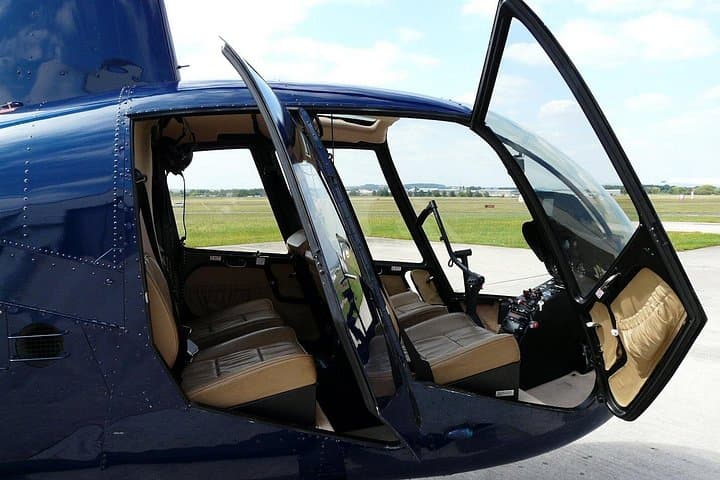
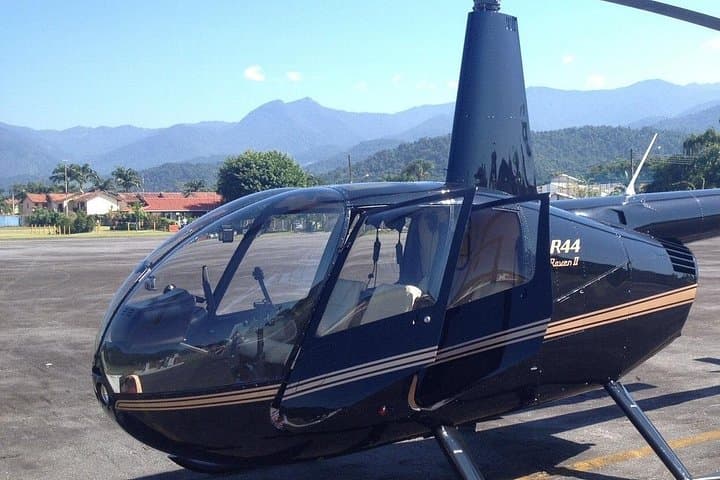
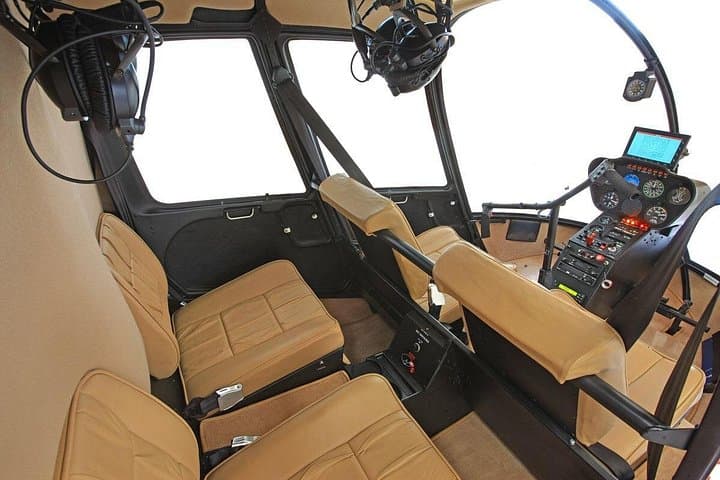
You lift from a low hangar at Jacarepaguá and the city unfolds beneath you—curving beaches unspool like ribbons, the Pedra da Gávea and Tijuca’s green mass press against the skyline, and the statue of Christ the Redeemer turns to watch traffic below. In a private three-person helicopter the city feels immediate: wind, engine, and sudden vistas that no ground route can match.
You lift from a low hangar at Jacarepaguá and the city unfolds beneath you—curving beaches unspool like ribbons, the Pedra da Gávea and Tijuca’s green mass press against the skyline, and the statue of Christ the Redeemer turns to watch traffic below. In a private three-person helicopter the city feels immediate: wind, engine, and sudden vistas that no ground route can match.
Rio’s dramatic geography—an Atlantic coastline punctuated by granite monoliths carved by ancient uplift and coastal erosion—shaped ports, neighborhoods and the city’s culture. From the air you see scars of colonial expansion, the crescent of Copacabana, the grid of downtown, and Maracanã’s bowl where football history lives. The Tijuca Forest, one of the world’s largest urban forests, breathes green into the cityscape; Guanabara Bay frames a working harbor and suburban sprawl.
This is an observational flight: pilots circle to give passengers viewlines of Sugarloaf, Christ the Redeemer, Ipanema and Leblon beaches, Maracanã Stadium and the bay toward Niterói. Mechanics and pilots operate under international standards; flights are weather-dependent and sometimes shortened for safety.
Practical pointers: arrive 20 minutes before departure (allow 60–90 minutes from Zona Sul in heavy traffic), respect the 120 kg weight limit, and secure loose items. Bring a small camera, sunglasses and a windproof layer—morning light is best for photography and calmer air. If you’re prone to motion sickness, take precautions. The ride is short, intense, and gives a compact, aerial primer on Rio’s geology, history and coastal culture.