THE ADVENTURE COLLECTIVE® · Independent discovery and booking for outdoor travel

Drift down the Rio Grande on a traditional bamboo raft, guided by local pilots through the lush valleys above Port Antonio. This 2½-hour trip combines gentle river travel, local history and a riverside Jamaican lunch.
Drift down the Rio Grande on a traditional bamboo raft, guided by local pilots through the lush valleys above Port Antonio. This 2½-hour trip combines gentle river travel, local history and a riverside Jamaican lunch.
The raft slips off the bank with a soft sigh; reeds brush the bamboo poles while the river, fed from the Blue Mountains, pushes the raft forward like a careful guide daring you to relax.
Verified experiences and guided adventures in the surrounding area.
Operated by Bamboo Rafting and Tours Jamaica · Port Antonio, Portland Parish
The raft slips off the bank with a soft sigh; reeds brush the bamboo poles while the river, fed from the Blue Mountains, pushes the raft forward like a careful guide daring you to relax.
This classic Rio Grande experience begins in the hills above Port Antonio and unfolds over roughly 2½ hours of slow drifting. Long bamboo rafts, once freight for banana plantations, now move visitors past steep riverbanks, stands of tall ferns, and old stone culverts left from plantation infrastructure. Geologically the river has carved a shallow valley here, with pockets of shaded pools where limestone and alluvial soils meet.
Culturally the ride is as much about people as place: local raft pilots (many from multi-generational rafting families) narrate stories of harvests, hurricanes and the river’s role in local trade. Expect stops at a riverbank for a simple Jamaican lunch—jerk chicken, fish or pork with two sides—and a chance to swim.
Practical guidance: wear sturdy water shoes and sun protection, bring a light dry bag for valuables and be ready for a mix of sun and sudden shade under overhanging trees. The river is gentle, suitable for most fitness levels, but follow your pilot’s instructions for boarding and disembarking. Morning departures avoid midday heat and higher boat traffic; rainy-season flows can feel swifter and sometimes cancel tours.
This is low-impact, interpretive rafting—an invitation to slow down and notice the islands’ interior, not a whitewater run. Leave no trace, support local operators, and bring a sense of patience—the river demands a slower pace and rewards it with quiet views and small discoveries.
easy.
2–3 hours.
Suitable for most fitness levels; requires basic balance for boarding and short walks on uneven riverbanks.
Yes—this is gentle, low-current rafting suitable for children when supervised; follow the pilot’s guidance and use life vests if provided.
No prior experience required; the trip is guided and intended for all fitness levels with basic balance for boarding.
Short stops are typical for photos, a swim in calm pools, and a riverside lunch—follow your guide on timing and depth.
Lunch is typically provided (jerk chicken, pork or fish with two sides and a drink), but bring snacks if you have special dietary needs and inform the operator ahead of time.
Bamboo rafts were historically used to transport bananas and goods from interior plantations to the coast; rafting evolved into a cultural tourism practice in Portland.
Operators encourage no-litter practices and limit groups to reduce bank erosion; avoid soaps in the river and support locally run tours to keep economic benefits in the community.
Bamboo Rafting and Tours Jamaica operates guided outdoor trips and adventures with an emphasis on safety, stewardship, and memorable experiences.
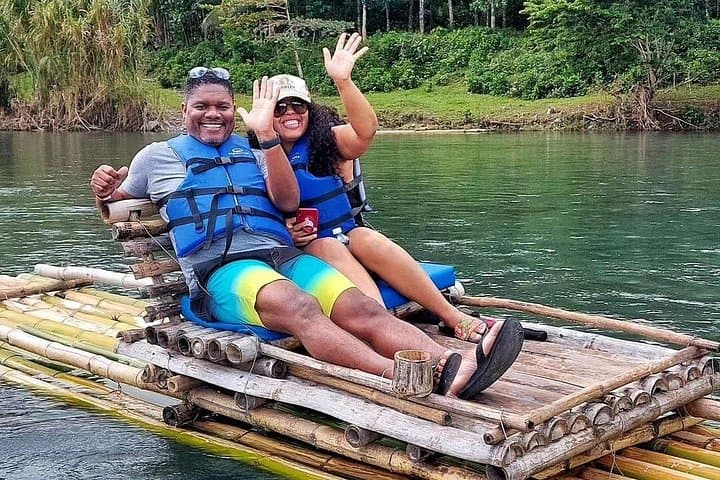
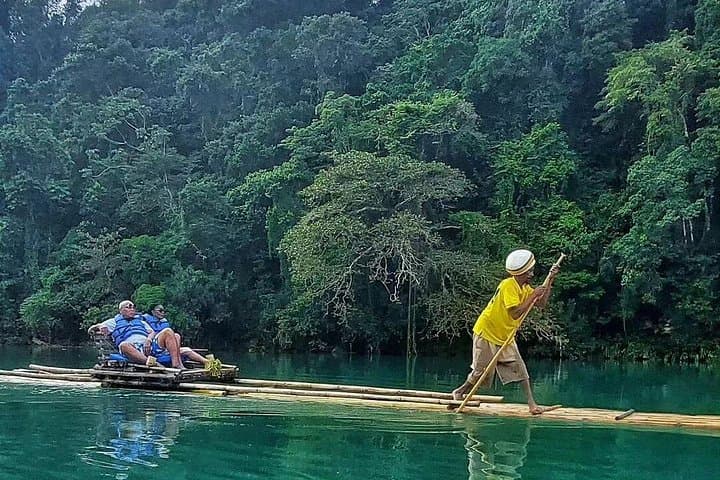

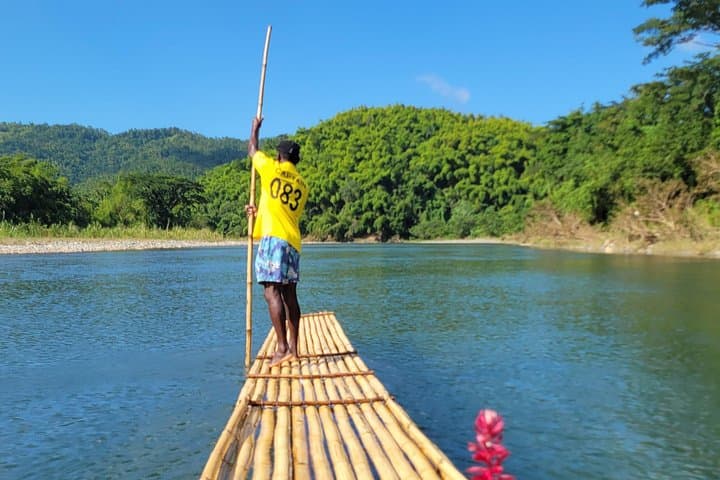
The raft slips off the bank with a soft sigh; reeds brush the bamboo poles while the river, fed from the Blue Mountains, pushes the raft forward like a careful guide daring you to relax.
The raft slips off the bank with a soft sigh; reeds brush the bamboo poles while the river, fed from the Blue Mountains, pushes the raft forward like a careful guide daring you to relax.
This classic Rio Grande experience begins in the hills above Port Antonio and unfolds over roughly 2½ hours of slow drifting. Long bamboo rafts, once freight for banana plantations, now move visitors past steep riverbanks, stands of tall ferns, and old stone culverts left from plantation infrastructure. Geologically the river has carved a shallow valley here, with pockets of shaded pools where limestone and alluvial soils meet.
Culturally the ride is as much about people as place: local raft pilots (many from multi-generational rafting families) narrate stories of harvests, hurricanes and the river’s role in local trade. Expect stops at a riverbank for a simple Jamaican lunch—jerk chicken, fish or pork with two sides—and a chance to swim.
Practical guidance: wear sturdy water shoes and sun protection, bring a light dry bag for valuables and be ready for a mix of sun and sudden shade under overhanging trees. The river is gentle, suitable for most fitness levels, but follow your pilot’s instructions for boarding and disembarking. Morning departures avoid midday heat and higher boat traffic; rainy-season flows can feel swifter and sometimes cancel tours.
This is low-impact, interpretive rafting—an invitation to slow down and notice the islands’ interior, not a whitewater run. Leave no trace, support local operators, and bring a sense of patience—the river demands a slower pace and rewards it with quiet views and small discoveries.