THE ADVENTURE COLLECTIVE® · Independent discovery and booking for outdoor travel

Spend a day in Rio tracing the city’s three great passions: football at Maracanã, Carnival at the Sambadrome and samba culture in Samba City — finished with feijoada and a cachaça tasting in Lapa.
Spend a day in Rio tracing the city’s three great passions: football at Maracanã, Carnival at the Sambadrome and samba culture in Samba City — finished with feijoada and a cachaça tasting in Lapa.
You step out of the van into the pressure of Rio: voices overlapping in Portuguese, the distant thud of a football chant, and the city’s Atlantic air carrying a faint scent of sugarcane and frying beans.
Verified experiences and guided adventures in the surrounding area.
Operated by Way to Know Rio · Rio de Janeiro, Rio de Janeiro
You step out of the van into the pressure of Rio: voices overlapping in Portuguese, the distant thud of a football chant, and the city’s Atlantic air carrying a faint scent of sugarcane and frying beans.
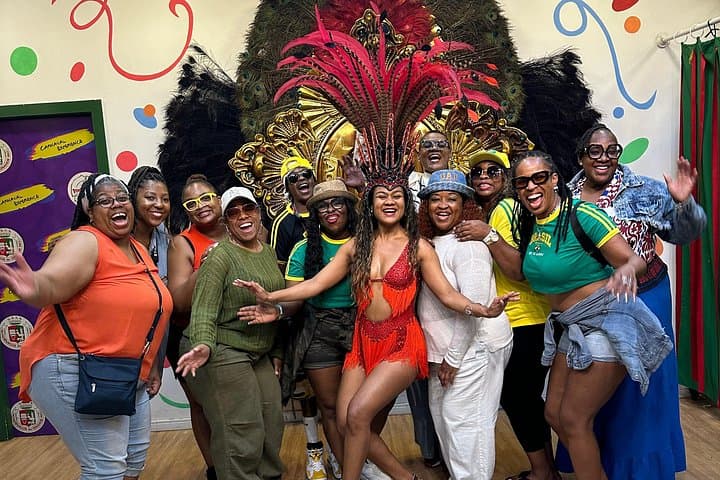
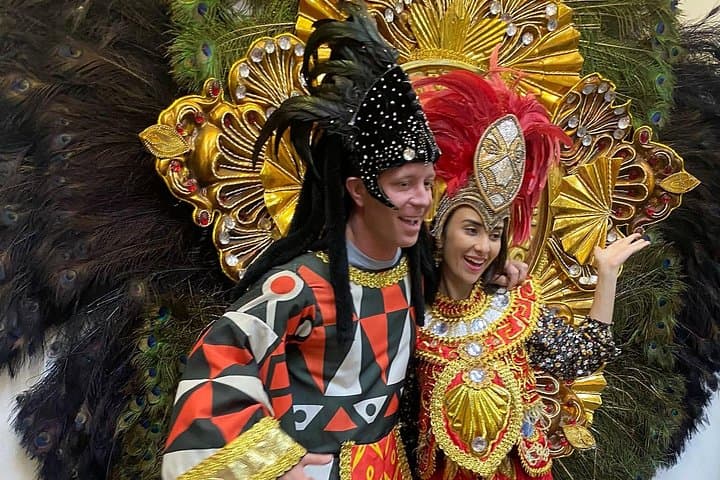
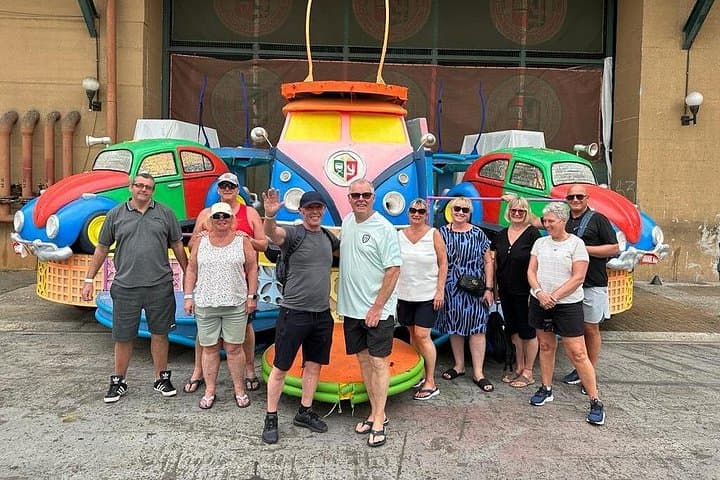
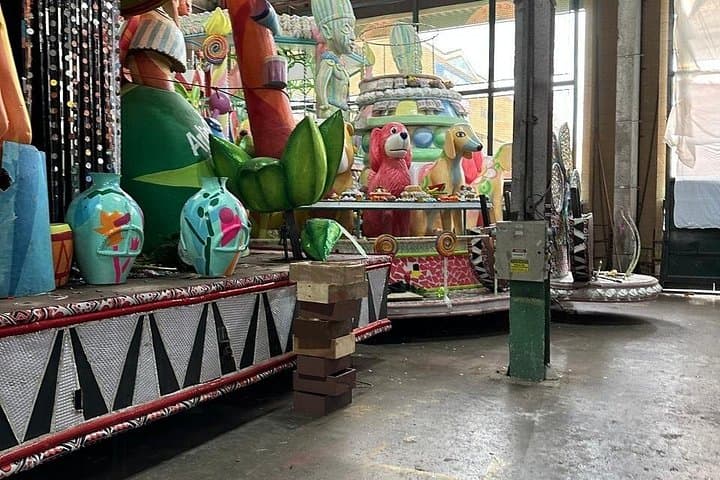
The day moves from the concrete roar of Maracanã — where stadium ramps and locker rooms show how football organizes a nation — to the linear drama of the Sambadrome, the stage that codified modern Carnival. Samba City’s rehearsal rooms reveal costume construction, sequined float mechanics and the social history behind the bloco culture. Lunch follows with feijoada, the black-bean stew that traces Afro-Brazilian roots and communal ritual.
Rio sits on fractured granite and ancient gneiss, cliffs dropping to beaches that have long drawn sailors and storytellers. Colonial trade, Afro-Brazilian traditions and 20th-century football fandom all overlap in neighborhoods like Lapa, where cachaça distilling meets bohemian nightlife.
Practically: this private, accessible tour lasts about 7–8 hours and includes hotel pickup, licensed guide and transport. Expect moderate walking on paved surfaces and many photo stops; sites can shift when a match is scheduled at Maracanã. Carry sun protection, a reusable water bottle and a small daypack. Taste cachaça responsibly at an urban tasting and time your night out if you want to sample Lapa’s music scene after the tour.
For first-time visitors this itinerary compresses Rio’s public passions into a single day — football, samba and food — offering both cultural context and hands-on moments like a samba lesson and behind-the-scenes stadium access.
easy.
7–8 hours.
Suitable for most fitness levels; requires the ability to walk short distances and climb stadium steps.
The tour includes a historical backstage visit when available, but visits can be substituted if a match or event blocks access.
Lunch (feijoada) is typically included; additional drinks, night entries and extra tastings may be at your own expense.
Yes — transportation and many surfaces are wheelchair accessible; confirm specific assistance needs at booking.
Yes — the tour can be adjusted for families; infant seats are available if requested during booking.
Rio’s Carnival evolved from colonial-era Portuguese street festivals combined with African and Indigenous cultural practices; the Sambadrome formalized the parade route in 1984.
Visitors are encouraged to use refillable bottles and avoid single-use plastics; many cultural centers run community programs supporting local artisans.
Way to Know Rio operates guided outdoor trips and adventures with an emphasis on safety, stewardship, and memorable experiences.
You step out of the van into the pressure of Rio: voices overlapping in Portuguese, the distant thud of a football chant, and the city’s Atlantic air carrying a faint scent of sugarcane and frying beans.
You step out of the van into the pressure of Rio: voices overlapping in Portuguese, the distant thud of a football chant, and the city’s Atlantic air carrying a faint scent of sugarcane and frying beans.
The day moves from the concrete roar of Maracanã — where stadium ramps and locker rooms show how football organizes a nation — to the linear drama of the Sambadrome, the stage that codified modern Carnival. Samba City’s rehearsal rooms reveal costume construction, sequined float mechanics and the social history behind the bloco culture. Lunch follows with feijoada, the black-bean stew that traces Afro-Brazilian roots and communal ritual.
Rio sits on fractured granite and ancient gneiss, cliffs dropping to beaches that have long drawn sailors and storytellers. Colonial trade, Afro-Brazilian traditions and 20th-century football fandom all overlap in neighborhoods like Lapa, where cachaça distilling meets bohemian nightlife.
Practically: this private, accessible tour lasts about 7–8 hours and includes hotel pickup, licensed guide and transport. Expect moderate walking on paved surfaces and many photo stops; sites can shift when a match is scheduled at Maracanã. Carry sun protection, a reusable water bottle and a small daypack. Taste cachaça responsibly at an urban tasting and time your night out if you want to sample Lapa’s music scene after the tour.
For first-time visitors this itinerary compresses Rio’s public passions into a single day — football, samba and food — offering both cultural context and hands-on moments like a samba lesson and behind-the-scenes stadium access.