THE ADVENTURE COLLECTIVE® · Independent discovery and booking for outdoor travel

Walk Rio’s historic Centro with a local guide and discover colonial architecture, grand civic squares, and lively cultural pockets hidden between modern facades. This three-hour tour blends history, urban design, and practical local insight—ideal for first-time visitors who want context beyond the beaches.
Walk Rio’s historic Centro with a local guide and discover colonial architecture, grand civic squares, and lively cultural pockets hidden between modern facades. This three-hour tour blends history, urban design, and practical local insight—ideal for first-time visitors who want context beyond the beaches.
You step off a busy Avenida Rio Branco and the city rearranges itself: colonial stone, modernist facades, and the chatter of street vendors folding into the cadence of your guide’s narration. The three-hour walking tour threads through Rio’s Centro, where plazas open like pages in a history book and ornate churches hold frescos that still command silence.
Verified experiences and guided adventures in the surrounding area.
Operated by Guydeez · Rio de Janeiro, Rio de Janeiro
You step off a busy Avenida Rio Branco and the city rearranges itself: colonial stone, modernist facades, and the chatter of street vendors folding into the cadence of your guide’s narration. The three-hour walking tour threads through Rio’s Centro, where plazas open like pages in a history book and ornate churches hold frescos that still command silence.
Centro grew from a 16th-century colonial nucleus into Brazil’s 19th-century commercial heart; the aqueducts and grand civic buildings reflect waves of Portuguese, imperial and republican influence. Geologically, the city sits at the edge of granite outcrops and Guanabara Bay—its stone streets and the wide, sunbaked squares show a built environment shaped by coastal trade winds and tropical rains.
Culturally, this neighborhood is where carioca identity mixes commerce and celebration: libraries and theaters rub shoulders with bustling markets and small botequins. Local guides point out the hidden markers—plaques, tiles and murals—that tell stories the facades don’t.
Practical guidance: wear cushioned walking shoes for uneven sidewalks and carry sun protection; many stops are exterior views rather than full museum entries. The tour is suitable for most fitness levels, goes at a steady yet accessible pace, and can be tailored for private groups or language needs. Public transport is close by, and wheelchair access is noted at key stops, but check specifics when booking. Aim for morning departures to avoid afternoon heat and to see the city both waking and working—the walking tour gives context to Rio beyond the beaches, where history, design and everyday carioca life converge.
easy.
3 hours.
Suitable for most walkers; minimal fitness required but expect standing and moderate walking on uneven surfaces.
The operator lists wheelchair accessibility for parts of the route; contact them ahead to confirm specifics for any interior stops you want to include.
This is primarily an exterior and interpretive walking tour—admissions into museums or churches are generally not included unless arranged in advance.
Guides commonly speak English, Spanish, French and Italian; private tours can be customized to your language preference when requested.
Private options are available; group bookings typically require at least two participants—confirm your chosen format at booking.
Centro was the administrative and commercial core from colonial times through the 19th century; its architecture reflects Portugal’s colonial legacy and Brazil’s later imperial ambitions.
Centro’s historic fabric benefits from preservation efforts, but visitors are encouraged to minimize noise, avoid touching frescoes, and support local businesses to help maintain the area’s cultural economy.
Guydeez operates guided outdoor trips and adventures with an emphasis on safety, stewardship, and memorable experiences.
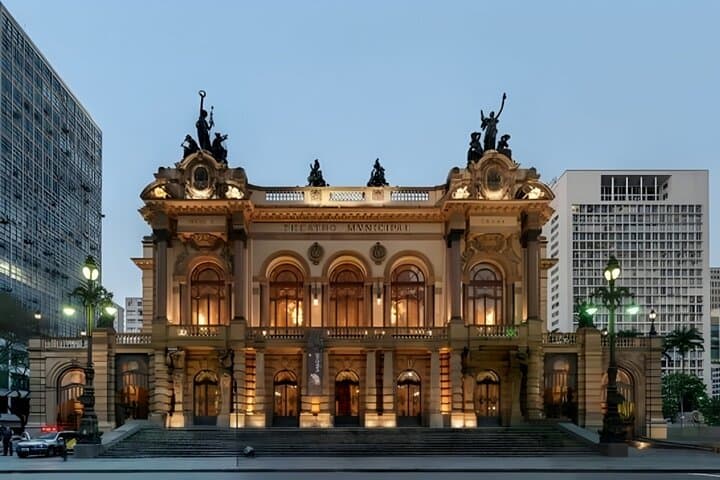
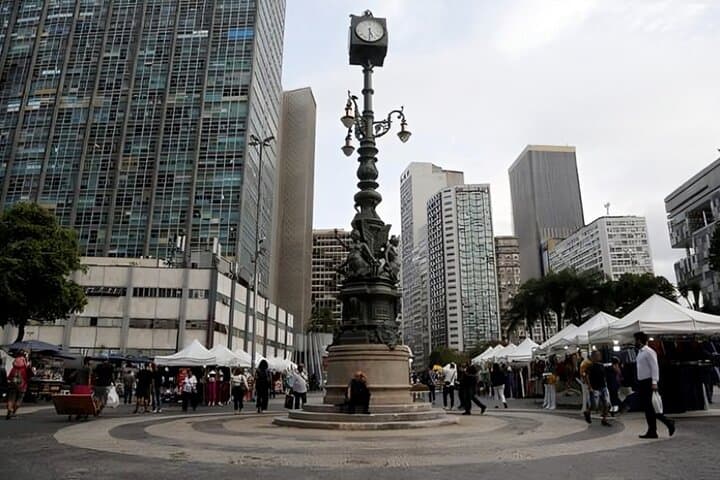
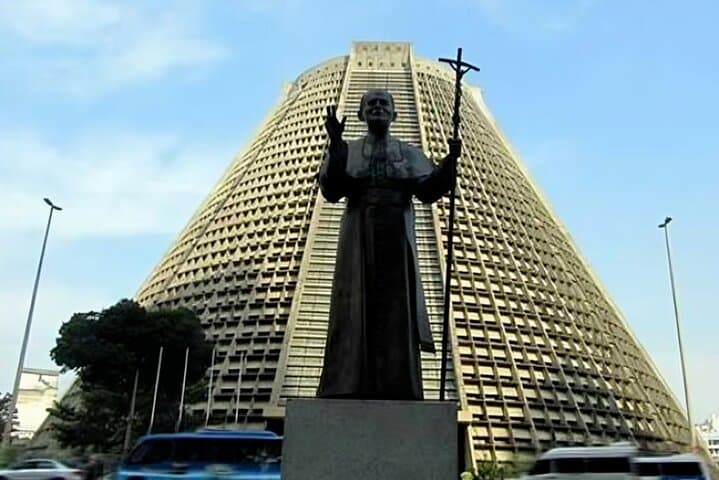
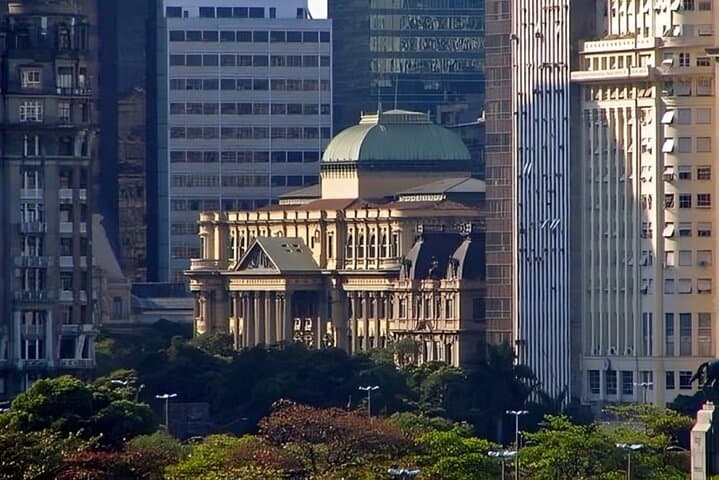
You step off a busy Avenida Rio Branco and the city rearranges itself: colonial stone, modernist facades, and the chatter of street vendors folding into the cadence of your guide’s narration. The three-hour walking tour threads through Rio’s Centro, where plazas open like pages in a history book and ornate churches hold frescos that still command silence.
You step off a busy Avenida Rio Branco and the city rearranges itself: colonial stone, modernist facades, and the chatter of street vendors folding into the cadence of your guide’s narration. The three-hour walking tour threads through Rio’s Centro, where plazas open like pages in a history book and ornate churches hold frescos that still command silence.
Centro grew from a 16th-century colonial nucleus into Brazil’s 19th-century commercial heart; the aqueducts and grand civic buildings reflect waves of Portuguese, imperial and republican influence. Geologically, the city sits at the edge of granite outcrops and Guanabara Bay—its stone streets and the wide, sunbaked squares show a built environment shaped by coastal trade winds and tropical rains.
Culturally, this neighborhood is where carioca identity mixes commerce and celebration: libraries and theaters rub shoulders with bustling markets and small botequins. Local guides point out the hidden markers—plaques, tiles and murals—that tell stories the facades don’t.
Practical guidance: wear cushioned walking shoes for uneven sidewalks and carry sun protection; many stops are exterior views rather than full museum entries. The tour is suitable for most fitness levels, goes at a steady yet accessible pace, and can be tailored for private groups or language needs. Public transport is close by, and wheelchair access is noted at key stops, but check specifics when booking. Aim for morning departures to avoid afternoon heat and to see the city both waking and working—the walking tour gives context to Rio beyond the beaches, where history, design and everyday carioca life converge.