THE ADVENTURE COLLECTIVE® · Independent discovery and booking for outdoor travel

Combine a historic electric train through Tijuca Forest with a classic two-stage cable car to Sugarloaf for uninterrupted views of Rio’s coastline and cityscape. This private, five-hour combo makes two iconic photo stops accessible and relaxed.
Combine a historic electric train through Tijuca Forest with a classic two-stage cable car to Sugarloaf for uninterrupted views of Rio’s coastline and cityscape. This private, five-hour combo makes two iconic photo stops accessible and relaxed.
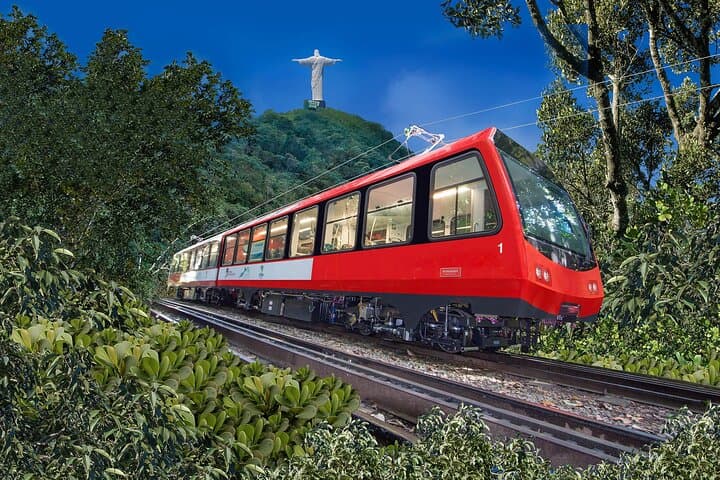
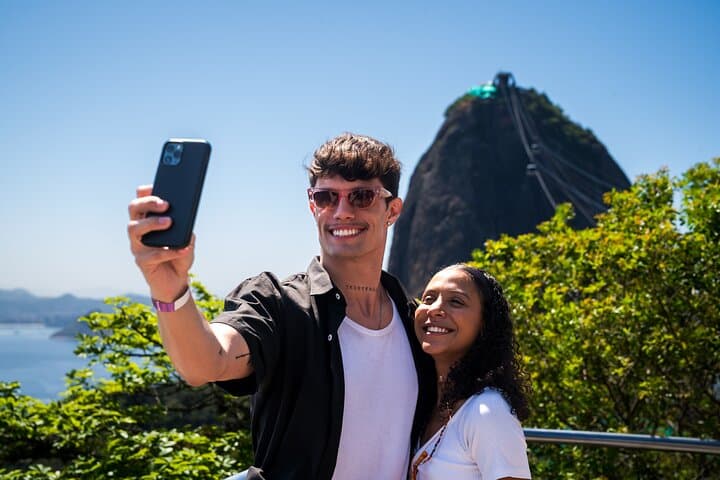
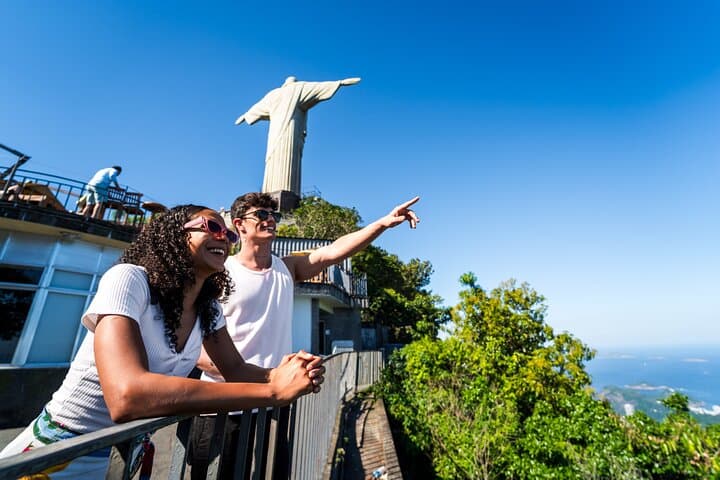
Morning light cuts across Guanabara Bay as the train hums through the green ribs of Tijuca Forest and the cable car climbs the granite flank of Urca Hill. This combo pairs two of Rio’s most immediate experiences: a short electric ride up Corcovado to the 38‑meter Christ the Redeemer at 710 m, and the two-stage cable car to Sugarloaf Mountain with its cliffside panoramas of city and sea.
Verified experiences and guided adventures in the surrounding area.
Operated by C2Rio Tours & Travel · Rio de Janeiro, Rio de Janeiro
Morning light cuts across Guanabara Bay as the train hums through the green ribs of Tijuca Forest and the cable car climbs the granite flank of Urca Hill. This combo pairs two of Rio’s most immediate experiences: a short electric ride up Corcovado to the 38‑meter Christ the Redeemer at 710 m, and the two-stage cable car to Sugarloaf Mountain with its cliffside panoramas of city and sea.
The Corcovado train, in service since the late 19th century as an early tourist line, threads old-growth fragments of the world’s largest urban rainforest. Sugarloaf (Pão de Açúcar) is a near-vertical granite monolith shaped by coastal erosion and seismic-age uplift; the cable car system opened in 1912 and revolutionized access to Rio’s harbor viewpoints. Together they reveal cultural layers — Catholic devotion at Corcovado, and the maritime trade history framed by the bay’s islands and forts.
Expect easy walking on paved observation platforms, short inclines, and crowds at peak times. Plan for sun, sudden showers and reflective glare off the water; wear supportive shoes for cobbled plazas and bring a lightweight rain layer. Photographers should schedule early or late light to avoid harsh midday contrasts. Accessibility options include the electric Corcovado train and lift-access at Sugarloaf’s main stations, but summit areas can have steps.
Practical rhythm: allow five hours for both sites at a relaxed pace, book tickets in advance to avoid lines, and factor in hotel pickup time. Hydrate often, carry a compact daypack, and leave time to simply stand and watch the city fold away beneath the statue and the cable car’s slow arc over the bay.
easy.
5 hours.
Suitable for average fitness: short walks and stairs at viewpoints, minimal sustained exertion
The itinerary runs about five hours total, including transport and time at each summit; allow extra for hotel pickup or traffic.
This private combo includes entrance fees for Corcovado train and Sugarloaf cable car as stated in the tour inclusions.
The service and stations offer accessibility features, but check with the operator on specific assistance and boarding arrangements ahead of time.
Early morning or late afternoon light reduces glare and crowds; mid-morning can be busy but often has clearer skies after coastal fog lifts.
Corcovado’s monument was completed in 1931 and reflects Art Deco design; Sugarloaf’s cable car, inaugurated in 1912, was one of the earliest urban aerial lines in the Americas.
Tijuca Forest is a restored urban rainforest; visitors are encouraged to stick to paths, avoid littering, and respect wildlife to protect fragile recolonized habitats.
C2Rio Tours & Travel operates guided outdoor trips and adventures with an emphasis on safety, stewardship, and memorable experiences.

Morning light cuts across Guanabara Bay as the train hums through the green ribs of Tijuca Forest and the cable car climbs the granite flank of Urca Hill. This combo pairs two of Rio’s most immediate experiences: a short electric ride up Corcovado to the 38‑meter Christ the Redeemer at 710 m, and the two-stage cable car to Sugarloaf Mountain with its cliffside panoramas of city and sea.
Morning light cuts across Guanabara Bay as the train hums through the green ribs of Tijuca Forest and the cable car climbs the granite flank of Urca Hill. This combo pairs two of Rio’s most immediate experiences: a short electric ride up Corcovado to the 38‑meter Christ the Redeemer at 710 m, and the two-stage cable car to Sugarloaf Mountain with its cliffside panoramas of city and sea.
The Corcovado train, in service since the late 19th century as an early tourist line, threads old-growth fragments of the world’s largest urban rainforest. Sugarloaf (Pão de Açúcar) is a near-vertical granite monolith shaped by coastal erosion and seismic-age uplift; the cable car system opened in 1912 and revolutionized access to Rio’s harbor viewpoints. Together they reveal cultural layers — Catholic devotion at Corcovado, and the maritime trade history framed by the bay’s islands and forts.
Expect easy walking on paved observation platforms, short inclines, and crowds at peak times. Plan for sun, sudden showers and reflective glare off the water; wear supportive shoes for cobbled plazas and bring a lightweight rain layer. Photographers should schedule early or late light to avoid harsh midday contrasts. Accessibility options include the electric Corcovado train and lift-access at Sugarloaf’s main stations, but summit areas can have steps.
Practical rhythm: allow five hours for both sites at a relaxed pace, book tickets in advance to avoid lines, and factor in hotel pickup time. Hydrate often, carry a compact daypack, and leave time to simply stand and watch the city fold away beneath the statue and the cable car’s slow arc over the bay.