THE ADVENTURE COLLECTIVE® · Independent discovery and booking for outdoor travel

Walk rainforest boardwalks to a surreal blue waterfall born of minerals, then meet rehabilitated sloths at a local sanctuary. This full-day Tenorio excursion blends geology, wildlife viewing and regional lunch.
Walk rainforest boardwalks to a surreal blue waterfall born of minerals, then meet rehabilitated sloths at a local sanctuary. This full-day Tenorio excursion blends geology, wildlife viewing and regional lunch.
You step off the shaded trail and the rainforest exhales—humid, green, alive—with a thin ribbon of unbelievable blue threading through the understory. That color, Rio Celeste’s hallmark, was born where two clear streams meet and a chemical marriage of minerals scatters sunlight into celeste; the river seems to glow rather than flow, daring you to believe your eyes.
Verified experiences and guided adventures in the surrounding area.
Operated by Pura Vida Vip Tours and Transportation · Bijagua, Guanacaste
You step off the shaded trail and the rainforest exhales—humid, green, alive—with a thin ribbon of unbelievable blue threading through the understory. That color, Rio Celeste’s hallmark, was born where two clear streams meet and a chemical marriage of minerals scatters sunlight into celeste; the river seems to glow rather than flow, daring you to believe your eyes.
The route follows trails through Tenorio Volcano National Park, an area protected for its volcanic soils, cloud-influenced microclimates and important watershed. Historically the park has been central to local conservation efforts that balance cattle ranching and small-scale agriculture with tourism that brings income to nearby communities like Bijagua and Santa Rosa.
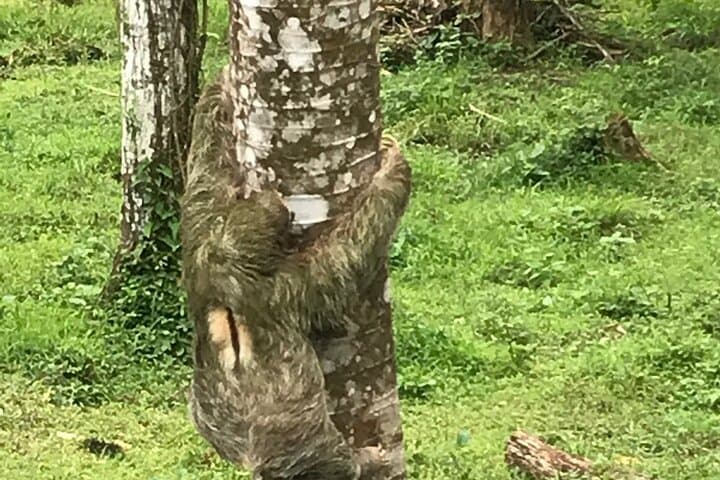
After the falls the tour moves to a sloth sanctuary where rehabilitated three-toed and two-toed sloths are cared for before release. Expect close-but-respectful viewing and a locally sourced lunch at a roadside restaurant where cooks lean on Costa Rica’s Afro-Caribbean and provincial Guanacaste flavors.
Practical notes: the full experience is an all-day outing (about 11 hours including transport), with uneven boardwalks, muddy sections and rainforest humidity. Wear grippy shoes, bring insect repellent, and plan for sudden rain even in the dry season. Trails are well-marked but rooted and steep in places—move deliberately and give wildlife space. Entrance fees support the park and sanctuary; following park rules helps keep the river blue and the sloths wild.
moderate.
11 hours.
Moderate fitness; able to walk 2–4 miles on uneven, sometimes muddy trails and handle humidity.
The river’s color ranges from bright turquoise to milky celeste depending on light and mineral concentration—most vivid at the mixing point called Los Teñideros.
No; sanctuaries prioritize rehabilitation and minimal human contact—visitors observe at a respectful distance with guided interpretation.
Possibly—short stretches can be misty or muddy after rain; waterproof shoes and a jacket reduce discomfort.
This tour states entrance fees to national parks and private reserves are included, but confirm on booking what specific fees are covered.
Tenorio Volcano National Park protects volcanic highlands and vital watersheds around Rio Celeste; the park’s protection supports both biodiversity and local water supplies.
Stay on marked trails and avoid soaps or sunscreens in waterways; park fees and sanctuary donations directly support ongoing conservation and rescue work.
Pura Vida Vip Tours and Transportation operates guided outdoor trips and adventures with an emphasis on safety, stewardship, and memorable experiences.
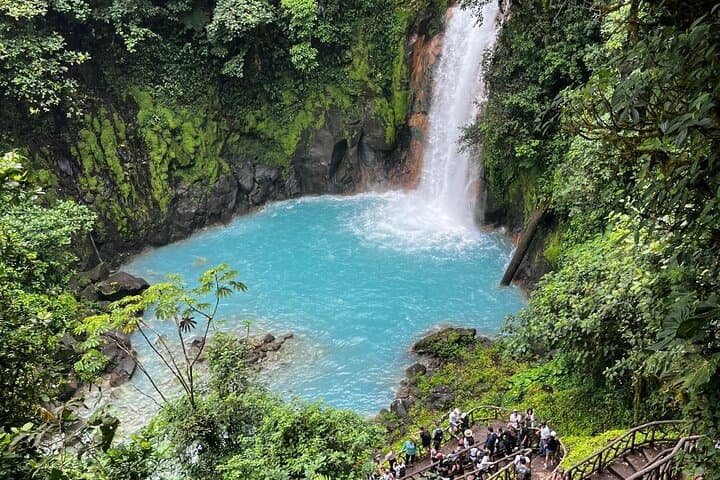
You step off the shaded trail and the rainforest exhales—humid, green, alive—with a thin ribbon of unbelievable blue threading through the understory. That color, Rio Celeste’s hallmark, was born where two clear streams meet and a chemical marriage of minerals scatters sunlight into celeste; the river seems to glow rather than flow, daring you to believe your eyes.
You step off the shaded trail and the rainforest exhales—humid, green, alive—with a thin ribbon of unbelievable blue threading through the understory. That color, Rio Celeste’s hallmark, was born where two clear streams meet and a chemical marriage of minerals scatters sunlight into celeste; the river seems to glow rather than flow, daring you to believe your eyes.
The route follows trails through Tenorio Volcano National Park, an area protected for its volcanic soils, cloud-influenced microclimates and important watershed. Historically the park has been central to local conservation efforts that balance cattle ranching and small-scale agriculture with tourism that brings income to nearby communities like Bijagua and Santa Rosa.
After the falls the tour moves to a sloth sanctuary where rehabilitated three-toed and two-toed sloths are cared for before release. Expect close-but-respectful viewing and a locally sourced lunch at a roadside restaurant where cooks lean on Costa Rica’s Afro-Caribbean and provincial Guanacaste flavors.
Practical notes: the full experience is an all-day outing (about 11 hours including transport), with uneven boardwalks, muddy sections and rainforest humidity. Wear grippy shoes, bring insect repellent, and plan for sudden rain even in the dry season. Trails are well-marked but rooted and steep in places—move deliberately and give wildlife space. Entrance fees support the park and sanctuary; following park rules helps keep the river blue and the sloths wild.