THE ADVENTURE COLLECTIVE® · Independent discovery and booking for outdoor travel

A full-day guided trek to the famously blue Rio Celeste in Tenorio Volcano National Park, capped by a swim at Llanos del Cortez and a guided sloth sanctuary visit. Expect volcanic geology, muddy tropical trails, and a vivid waterfall worth the effort.
A full-day guided trek to the famously blue Rio Celeste in Tenorio Volcano National Park, capped by a swim at Llanos del Cortez and a guided sloth sanctuary visit. Expect volcanic geology, muddy tropical trails, and a vivid waterfall worth the effort.
You step onto a damp trail under a charcoal canopy and the forest seems to lean in, watching as the river ahead dares you with a color that looks unreal. The Rio Celeste cuts through Tenorio Volcano National Park with a blue so vivid it arrests the breath—a combination of volcanic minerals and chemistry that paints the current the color people travel across Costa Rica to see.
Verified experiences and guided adventures in the surrounding area.
Operated by Costa Rica Premier Tours · Bijagua, Guanacaste
You step onto a damp trail under a charcoal canopy and the forest seems to lean in, watching as the river ahead dares you with a color that looks unreal. The Rio Celeste cuts through Tenorio Volcano National Park with a blue so vivid it arrests the breath—a combination of volcanic minerals and chemistry that paints the current the color people travel across Costa Rica to see.
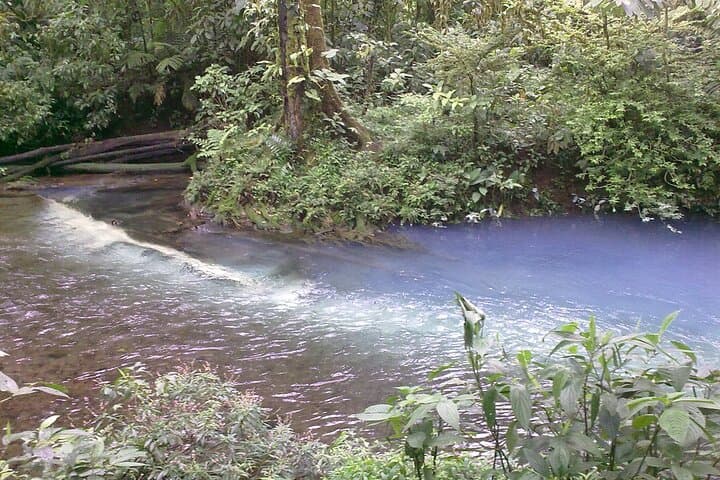
The park sits on the flanks of the Tenorio volcanic complex. Geology here is active history: acidic springs and hydrothermal activity feed the river’s sulphate-rich waters, which combine with aluminum to scatter light and yield that famous blue. Culturally, the area sits within traditional Guanacaste countryside—small farms and hospitality-minded villages—where guides are often local and bilingual, sharing both natural history and rural stories over a simple casado lunch.
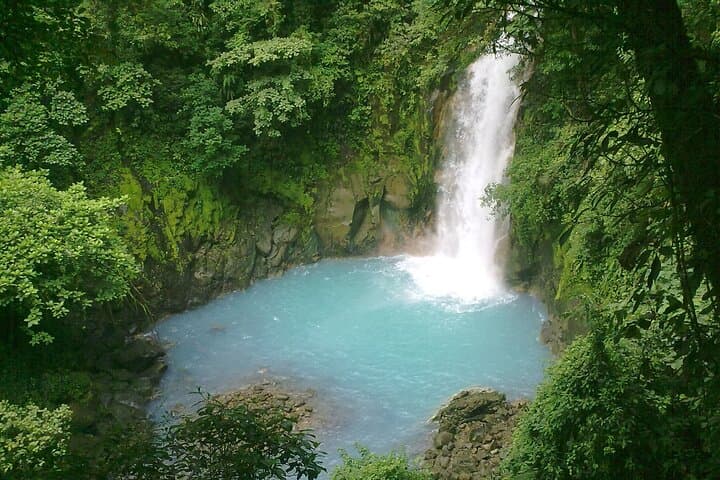
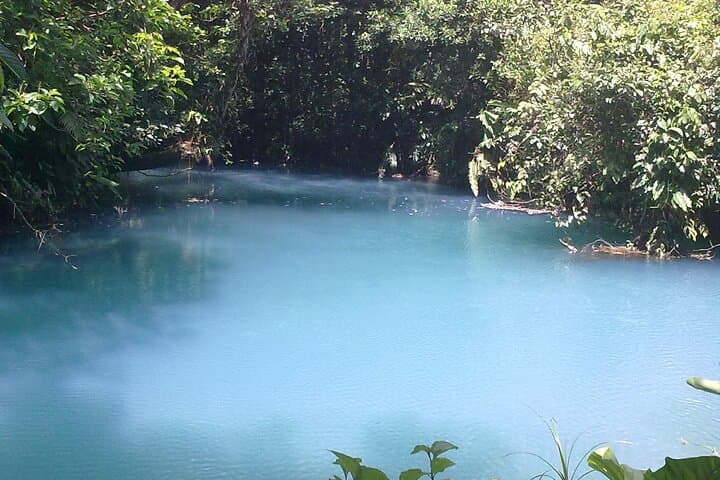
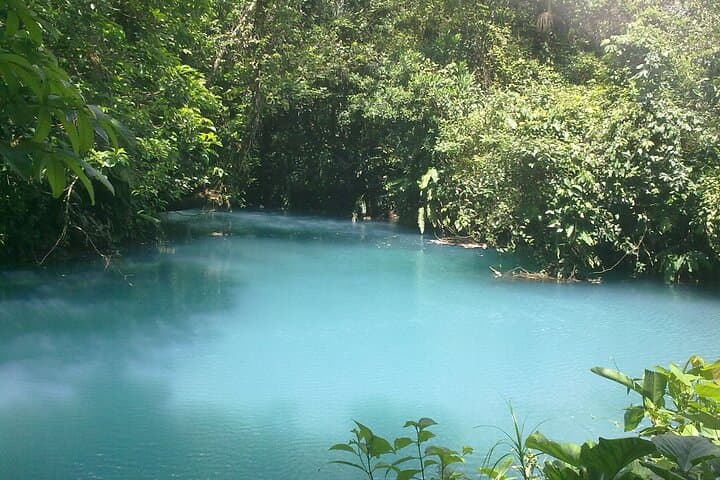
On this full-day route you’ll pass Laguna Azul, cross a suspended bridge, and watch the Borbollones—bubbling springs—push steam into the air before the dramatic drop at Rio Celeste Waterfall. The itinerary often includes a swim stop at Llanos del Cortez and a quiet visit to a sloth sanctuary where guides explain behavior and best wildlife etiquette.
Practical edge: expect muddy, uneven trails and short steep sections; plan for 8–10 hours door-to-door if you’re coming from Guanacaste beaches. Bring sturdy boots, rain protection, insect repellent, reusable water, and a dry bag for wet swims. Start early to avoid afternoon showers and follow your guide’s instructions around sensitive thermal zones—staying on marked trails protects the river’s chemistry and the park’s fragile ecology.
moderate.
8–10 hours.
Should have good cardiovascular fitness and be comfortable hiking 3+ hours on uneven, sometimes steep, tropical terrain.
The guided hike through Tenorio’s trails is typically about 3 hours round-trip with stops at Laguna Azul, the Borbollones, and viewpoints—expect mud and stairs.
Swimming is not allowed near the thermal or chemically sensitive sections; however, the itinerary often includes a swim at Llanos del Cortez, a separate natural pool.
Reliable sanctuaries focus on education and rehabilitation; ask your guide about the facility’s rescue and release practices before visiting.
Most full-day tours include round-trip transfers from specified Guanacaste hotels—confirm pickup details at booking and allow extra time for travel.
Tenorio’s landscape is shaped by volcanic activity; the river’s blue comes from hydrothermal reactions in volcanic soils rather than algae.
The river’s color relies on sensitive chemistry—stay on trails, avoid soap or sunscreen in waterways, and follow park rules to minimize impact.
Costa Rica Premier Tours operates guided outdoor trips and adventures with an emphasis on safety, stewardship, and memorable experiences.
You step onto a damp trail under a charcoal canopy and the forest seems to lean in, watching as the river ahead dares you with a color that looks unreal. The Rio Celeste cuts through Tenorio Volcano National Park with a blue so vivid it arrests the breath—a combination of volcanic minerals and chemistry that paints the current the color people travel across Costa Rica to see.
You step onto a damp trail under a charcoal canopy and the forest seems to lean in, watching as the river ahead dares you with a color that looks unreal. The Rio Celeste cuts through Tenorio Volcano National Park with a blue so vivid it arrests the breath—a combination of volcanic minerals and chemistry that paints the current the color people travel across Costa Rica to see.
The park sits on the flanks of the Tenorio volcanic complex. Geology here is active history: acidic springs and hydrothermal activity feed the river’s sulphate-rich waters, which combine with aluminum to scatter light and yield that famous blue. Culturally, the area sits within traditional Guanacaste countryside—small farms and hospitality-minded villages—where guides are often local and bilingual, sharing both natural history and rural stories over a simple casado lunch.
On this full-day route you’ll pass Laguna Azul, cross a suspended bridge, and watch the Borbollones—bubbling springs—push steam into the air before the dramatic drop at Rio Celeste Waterfall. The itinerary often includes a swim stop at Llanos del Cortez and a quiet visit to a sloth sanctuary where guides explain behavior and best wildlife etiquette.
Practical edge: expect muddy, uneven trails and short steep sections; plan for 8–10 hours door-to-door if you’re coming from Guanacaste beaches. Bring sturdy boots, rain protection, insect repellent, reusable water, and a dry bag for wet swims. Start early to avoid afternoon showers and follow your guide’s instructions around sensitive thermal zones—staying on marked trails protects the river’s chemistry and the park’s fragile ecology.