THE ADVENTURE COLLECTIVE® · Independent discovery and booking for outdoor travel

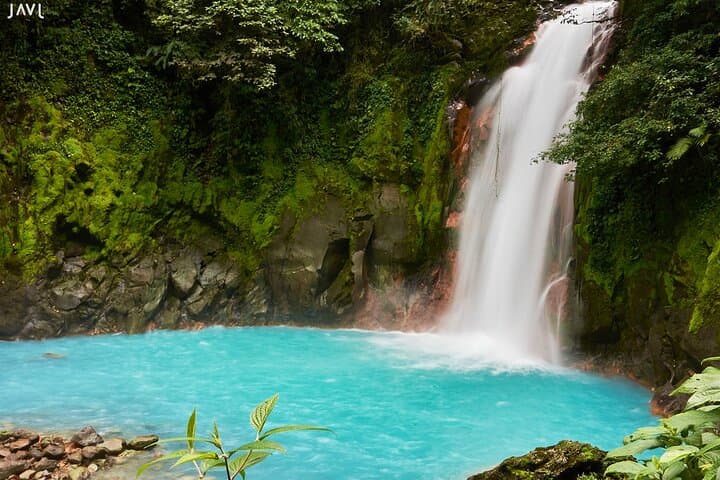
Hit the rainforest for the electric-blue Rio Celeste waterfall and an intimate sloth-viewing walk at Finca Verde. This day trip pairs geology, wildlife, and a local lunch—ideal for active travelers based in Guanacaste.
Hit the rainforest for the electric-blue Rio Celeste waterfall and an intimate sloth-viewing walk at Finca Verde. This day trip pairs geology, wildlife, and a local lunch—ideal for active travelers based in Guanacaste.
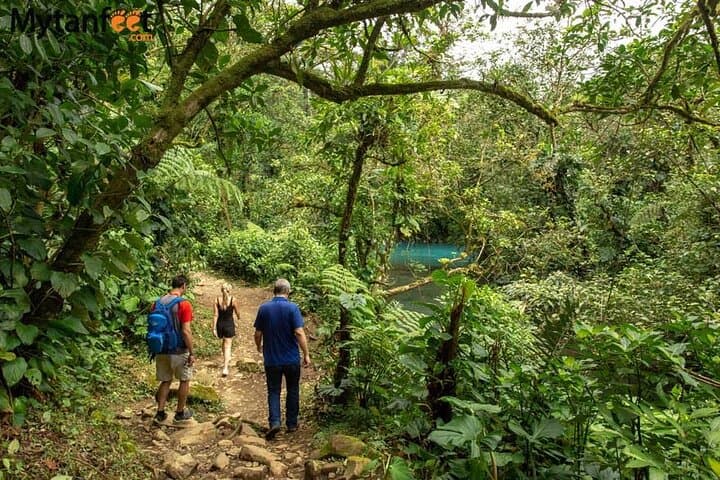
You step off the air-conditioned transfer into the humid hush of lowland rainforest, and the trail immediately tightens like a story pulling you forward. Leaves drip overhead; a river ahead murmurs an impossible blue that seems to have been painted into the gorge. The walk to Rio Celeste’s catarata is a steady climb through shaded soil, volcanic boulders, and trunks slick with moss, while your naturalist guide points out poison dart frogs and the slow blink of a sloth in the canopy.
Verified experiences and guided adventures in the surrounding area.
Operated by Tropicalia Tours Costa Rica · Bijagua, Guanacaste
You step off the air-conditioned transfer into the humid hush of lowland rainforest, and the trail immediately tightens like a story pulling you forward. Leaves drip overhead; a river ahead murmurs an impossible blue that seems to have been painted into the gorge. The walk to Rio Celeste’s catarata is a steady climb through shaded soil, volcanic boulders, and trunks slick with moss, while your naturalist guide points out poison dart frogs and the slow blink of a sloth in the canopy.
Tenorio Volcano National Park is geologically young, and the river’s surreal turquoise comes from a chemical encounter where alkaline spring water meets volcanic minerals—an unusual natural reaction visible at Los Tenideros upstream. Culturally, the Bijagua area mixes cattle-ranching heritage with small-scale agrotourism; many meals here are home-cooked, rooted in local produce and Costa Rican flavors.
Practical guidance: the loop to the waterfall is roughly 3–4 km round-trip on uneven, sometimes muddy trail with about 150–250 m of elevation change; expect 45 minutes each way at an easy-to-moderate pace. Bring sturdy, grippy shoes, rain protection, insect repellent, and water; cameras withstand light spray. The Finca Verde stop for sloth viewing offers a gentle boardwalk and shaded hides for close but respectful observation. Be prepared for variable weather—storms can arrive fast in the rainy season—and follow park rules to keep the river blue and wildlife wild.
moderate.
4–7 hours.
Moderate stamina; able to walk 3–6 km on uneven, sometimes steep terrain and handle short climbs.
The round-trip hike from the parking lot to the waterfall is about 3–4 km and typically takes 45 minutes each way at a steady pace.
Yes—Finca Verde has guided trails and observation hides that allow close, non-invasive viewing of sloths in the canopy during a roughly 1-hour visit.
Swimming near the main cascade is not recommended due to currents and park rules; there are limited authorized spots upstream but always follow guide instructions.
You can self-drive to the meeting point in Bijagua, but a naturalist guide is included on the tour and adds wildlife identification and local context; pickup from Guanacaste hotels requires minimum participants.
The Rio Celeste area sits on the slopes of Tenorio Volcano; its blue river results from volcanic minerals meeting alkaline water, a well-documented geological curiosity.
Tenorio is a protected park—stay on marked trails, avoid introducing sunscreen or soap into waterways, and follow guides to protect the fragile river chemistry and wildlife.
Tropicalia Tours Costa Rica operates guided outdoor trips and adventures with an emphasis on safety, stewardship, and memorable experiences.

You step off the air-conditioned transfer into the humid hush of lowland rainforest, and the trail immediately tightens like a story pulling you forward. Leaves drip overhead; a river ahead murmurs an impossible blue that seems to have been painted into the gorge. The walk to Rio Celeste’s catarata is a steady climb through shaded soil, volcanic boulders, and trunks slick with moss, while your naturalist guide points out poison dart frogs and the slow blink of a sloth in the canopy.
You step off the air-conditioned transfer into the humid hush of lowland rainforest, and the trail immediately tightens like a story pulling you forward. Leaves drip overhead; a river ahead murmurs an impossible blue that seems to have been painted into the gorge. The walk to Rio Celeste’s catarata is a steady climb through shaded soil, volcanic boulders, and trunks slick with moss, while your naturalist guide points out poison dart frogs and the slow blink of a sloth in the canopy.
Tenorio Volcano National Park is geologically young, and the river’s surreal turquoise comes from a chemical encounter where alkaline spring water meets volcanic minerals—an unusual natural reaction visible at Los Tenideros upstream. Culturally, the Bijagua area mixes cattle-ranching heritage with small-scale agrotourism; many meals here are home-cooked, rooted in local produce and Costa Rican flavors.
Practical guidance: the loop to the waterfall is roughly 3–4 km round-trip on uneven, sometimes muddy trail with about 150–250 m of elevation change; expect 45 minutes each way at an easy-to-moderate pace. Bring sturdy, grippy shoes, rain protection, insect repellent, and water; cameras withstand light spray. The Finca Verde stop for sloth viewing offers a gentle boardwalk and shaded hides for close but respectful observation. Be prepared for variable weather—storms can arrive fast in the rainy season—and follow park rules to keep the river blue and wildlife wild.