THE ADVENTURE COLLECTIVE® · Independent discovery and booking for outdoor travel

Spend a day in Tenorio National Park chasing the surreal blue of Río Celeste, swimming in mineral pools, visiting a 300‑year ceiba known as the Tree of Peace, and enjoying guided sloth encounters and a traditional Bijagua lunch.
Spend a day in Tenorio National Park chasing the surreal blue of Río Celeste, swimming in mineral pools, visiting a 300‑year ceiba known as the Tree of Peace, and enjoying guided sloth encounters and a traditional Bijagua lunch.
You step off the van into damp, fragrant air and the rainforest seems to inhale with you — tree trunks oiled by humidity, leaves flicking droplets like applause. The trail climbs through layered understory toward a sudden, impossible blue: Río Celeste, its water glowing as if light has pooled and turned. Nearby, an ancient ceiba—known locally as the Tree of Peace—casts a broad, patient shadow; birds call, and sloths hold time still in the canopy.
Verified experiences and guided adventures in the surrounding area.
Operated by Hiking Guanacaste · Bijagua, Alajuela
You step off the van into damp, fragrant air and the rainforest seems to inhale with you — tree trunks oiled by humidity, leaves flicking droplets like applause. The trail climbs through layered understory toward a sudden, impossible blue: Río Celeste, its water glowing as if light has pooled and turned. Nearby, an ancient ceiba—known locally as the Tree of Peace—casts a broad, patient shadow; birds call, and sloths hold time still in the canopy.
Tenorio National Park sits on volcanic geology: andesitic soils and mineral-rich springs create Río Celeste’s electric hue where two streams meet, a chemical choreography long noted by locals. Bijagua village supplies the regional rhythm—small sodas serving casado and fresh fruit, the blue morpho fluttering in roadside butterfly gardens.
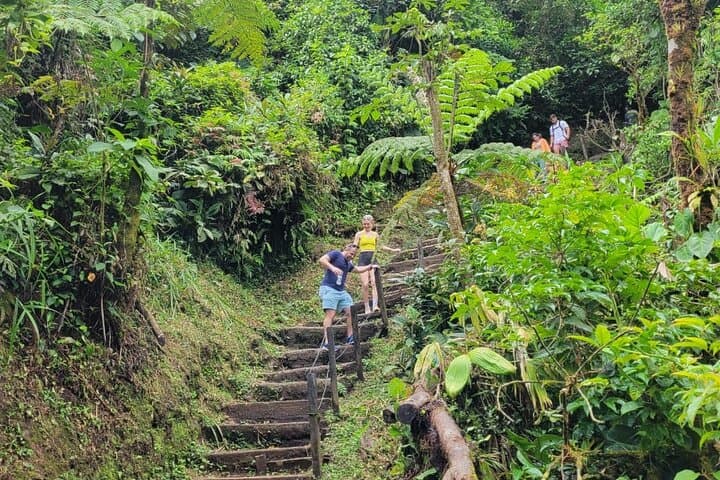
This private, 6‑hour excursion blends a 90‑minute rainforest hike to the waterfall, a supervised swim in the mineral‑tinted river, a cultural lunch in Bijagua, and a guided sloth walk in private forest grounds. Expect uneven boardwalks, muddy patches, and short stair sections; the waterfall viewpoint is a moderate scramble away from the trailhead.
Practical tips: go early to avoid crowds and the midday heat, wear sturdy shoes with grip, and bring a lightweight rain jacket—tropical showers come fast. Carry a reusable water bottle and waterproof your camera; the swim stop is supervised but not lifeguarded. Respect wildlife viewing distances and follow guide instructions to keep sloths and other animals calm. With basic fitness and sensible footwear, this one‑day loop delivers Costa Rica’s signature mix of geology, wildlife, and local hospitality.
easy.
6 hours.
Suitable for travelers with basic fitness; involves a 1–2 hour forest hike with moderate elevation gain and short scrambles.
The guided hike to the waterfall and Teñideros runs about 60–90 minutes round‑trip on maintained trails with some stairs and short steep sections.
Yes—swims are supervised and at a designated spot; follow your guide's instructions and avoid diving into unfamiliar water.
This tour advertises guaranteed sloth sightings on the private sloth walk, conducted by experienced guides in habitat designed for viewing without disturbing animals.
Lunch is a traditional casado at a local soda; dietary restrictions can be accommodated if requested at booking.
The area around Tenorio has long been inhabited by farming communities; the Tree of Peace (a large ceiba) is locally revered and tied to regional oral histories.
Tenorio National Park protects critical cloudforest and riparian ecosystems; visitors should stay on trails and avoid introducing soaps or sunscreens into waterways.
Hiking Guanacaste operates guided outdoor trips and adventures with an emphasis on safety, stewardship, and memorable experiences.
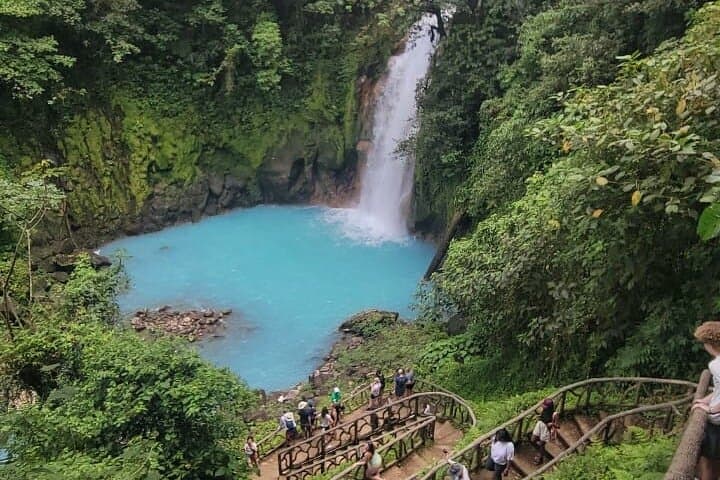
You step off the van into damp, fragrant air and the rainforest seems to inhale with you — tree trunks oiled by humidity, leaves flicking droplets like applause. The trail climbs through layered understory toward a sudden, impossible blue: Río Celeste, its water glowing as if light has pooled and turned. Nearby, an ancient ceiba—known locally as the Tree of Peace—casts a broad, patient shadow; birds call, and sloths hold time still in the canopy.
You step off the van into damp, fragrant air and the rainforest seems to inhale with you — tree trunks oiled by humidity, leaves flicking droplets like applause. The trail climbs through layered understory toward a sudden, impossible blue: Río Celeste, its water glowing as if light has pooled and turned. Nearby, an ancient ceiba—known locally as the Tree of Peace—casts a broad, patient shadow; birds call, and sloths hold time still in the canopy.
Tenorio National Park sits on volcanic geology: andesitic soils and mineral-rich springs create Río Celeste’s electric hue where two streams meet, a chemical choreography long noted by locals. Bijagua village supplies the regional rhythm—small sodas serving casado and fresh fruit, the blue morpho fluttering in roadside butterfly gardens.
This private, 6‑hour excursion blends a 90‑minute rainforest hike to the waterfall, a supervised swim in the mineral‑tinted river, a cultural lunch in Bijagua, and a guided sloth walk in private forest grounds. Expect uneven boardwalks, muddy patches, and short stair sections; the waterfall viewpoint is a moderate scramble away from the trailhead.
Practical tips: go early to avoid crowds and the midday heat, wear sturdy shoes with grip, and bring a lightweight rain jacket—tropical showers come fast. Carry a reusable water bottle and waterproof your camera; the swim stop is supervised but not lifeguarded. Respect wildlife viewing distances and follow guide instructions to keep sloths and other animals calm. With basic fitness and sensible footwear, this one‑day loop delivers Costa Rica’s signature mix of geology, wildlife, and local hospitality.