THE ADVENTURE COLLECTIVE® · Independent discovery and booking for outdoor travel

Experience the surreal blue of Rio Celeste and a close sloth encounter on a full-day guided tour from Bijagua. Expect rainforest tracks, volcanic geology, and strong photographic opportunities—bring rain protection and sturdy shoes.
Experience the surreal blue of Rio Celeste and a close sloth encounter on a full-day guided tour from Bijagua. Expect rainforest tracks, volcanic geology, and strong photographic opportunities—bring rain protection and sturdy shoes.
You step out of the shaded trail and into a corridor of green; mist hangs in the air and the river ahead glows an impossible blue. The Rio Celeste Waterfall drops in a curtain of froth, the current daring you to get closer while bromeliads and heliconias cling to volcanic rock. Guides point out slow-moving sloths suspended like living knots in the canopy, and toucans flash color between trunks.
Verified experiences and guided adventures in the surrounding area.
Operated by Costa Rica Issys Tours · Bijagua, Alajuela
You step out of the shaded trail and into a corridor of green; mist hangs in the air and the river ahead glows an impossible blue. The Rio Celeste Waterfall drops in a curtain of froth, the current daring you to get closer while bromeliads and heliconias cling to volcanic rock. Guides point out slow-moving sloths suspended like living knots in the canopy, and toucans flash color between trunks.
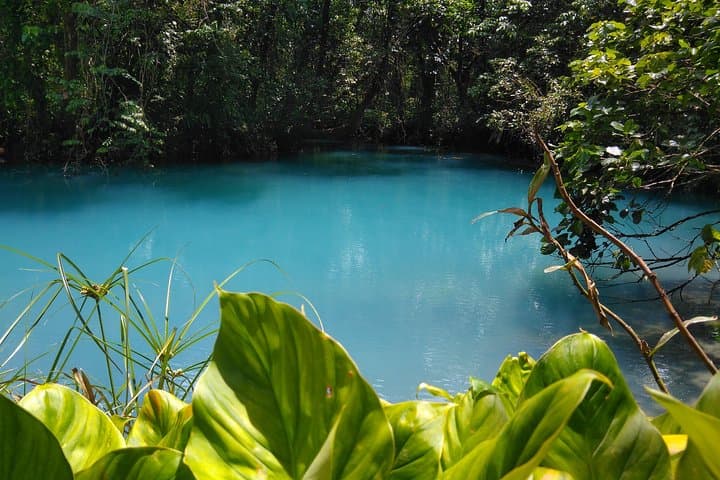
The blue of Rio Celeste comes from volcanic chemistry—particles formed where two tributaries meet at Los Teñideros scatter sunlight and tint the water. The area lies on the flanks of Tenorio Volcano, a geologically young massif whose eruptions shaped the steep ravines and mineral-rich streams. Local communities around Bijagua have long balanced cattle and small-scale ecotourism; tours support guides who double as naturalists.
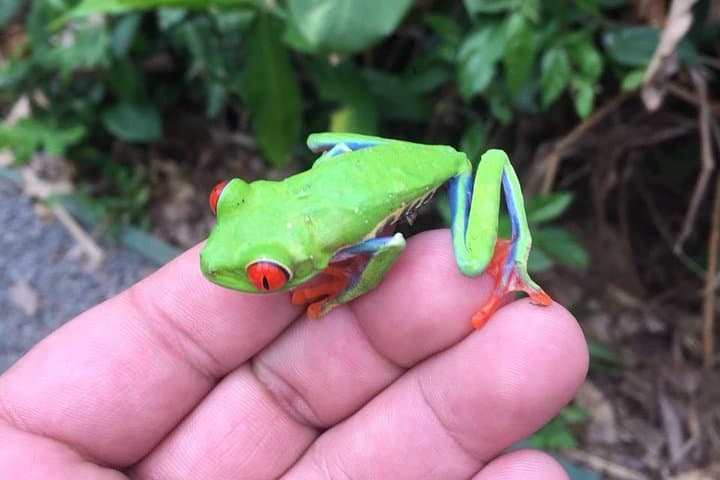
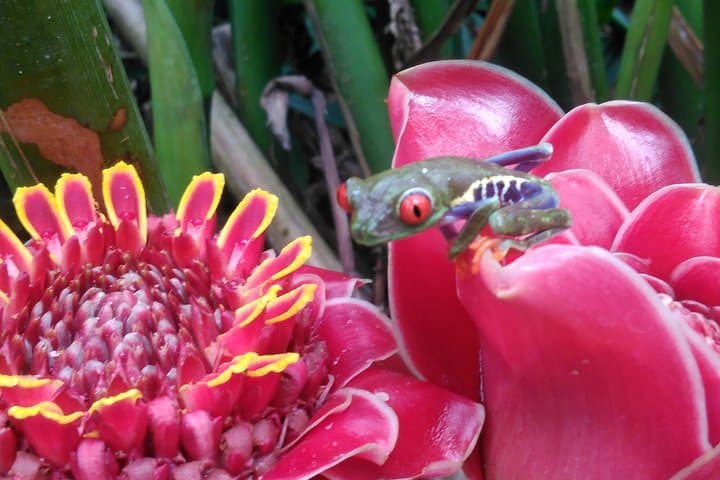
On the trail expect packed dirt, roots, and several stair sections with a total day distance of roughly 6–8 miles round-trip depending on route and viewpoints. Wildlife sightings are common but never guaranteed—sloths, howler monkeys, toucans, and tree frogs all inhabit the corridor.
Practical guidance: start early to avoid crowds and midday rain, carry layered rain protection and at least 1–2 liters of water, keep cameras dry and lenses ready for low-light canopy shots, and follow your guide—staying on trails protects fragile algae-like particles that make the river blue. The tour is a full-day outing with hotel pickup, moderate fitness required, and conditions that can change quickly; sensible footwear and insect repellent will make the day far more comfortable.
moderate.
8 hours.
Moderate — you should be comfortable hiking 6–8 miles with some elevation change and stairs.
The river's color is caused by a chemical reaction at Los Teñideros where two tributaries meet, producing fine mineral particles that scatter light and create the distinctive blue.
No—sloths are common but wild and slow-moving; sightings depend on luck, guide expertise, and quiet observation.
Children over about 6 may manage the trail with supervision, but the operator recommends older kids due to trail length and stairs.
The tour operates in varied weather but can be canceled for safety or water-color concerns—bring rain gear and follow guide instructions.
Tenorio Volcano's eruptions shaped the steep valleys and mineral-rich streams; Tenorio National Park protects these volcanic landscapes and their waters.
Stay on designated trails and avoid bathing in the river; the river's color depends on delicate mineral and microbial balances that are sensitive to disturbance.
Costa Rica Issys Tours operates guided outdoor trips and adventures with an emphasis on safety, stewardship, and memorable experiences.
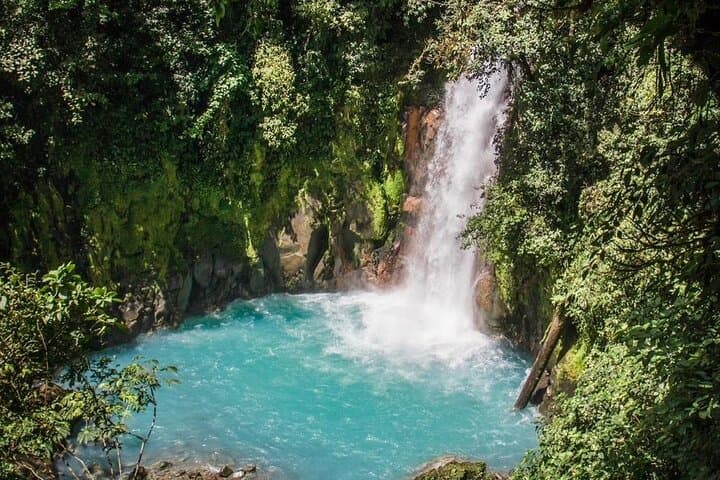
You step out of the shaded trail and into a corridor of green; mist hangs in the air and the river ahead glows an impossible blue. The Rio Celeste Waterfall drops in a curtain of froth, the current daring you to get closer while bromeliads and heliconias cling to volcanic rock. Guides point out slow-moving sloths suspended like living knots in the canopy, and toucans flash color between trunks.
You step out of the shaded trail and into a corridor of green; mist hangs in the air and the river ahead glows an impossible blue. The Rio Celeste Waterfall drops in a curtain of froth, the current daring you to get closer while bromeliads and heliconias cling to volcanic rock. Guides point out slow-moving sloths suspended like living knots in the canopy, and toucans flash color between trunks.
The blue of Rio Celeste comes from volcanic chemistry—particles formed where two tributaries meet at Los Teñideros scatter sunlight and tint the water. The area lies on the flanks of Tenorio Volcano, a geologically young massif whose eruptions shaped the steep ravines and mineral-rich streams. Local communities around Bijagua have long balanced cattle and small-scale ecotourism; tours support guides who double as naturalists.
On the trail expect packed dirt, roots, and several stair sections with a total day distance of roughly 6–8 miles round-trip depending on route and viewpoints. Wildlife sightings are common but never guaranteed—sloths, howler monkeys, toucans, and tree frogs all inhabit the corridor.
Practical guidance: start early to avoid crowds and midday rain, carry layered rain protection and at least 1–2 liters of water, keep cameras dry and lenses ready for low-light canopy shots, and follow your guide—staying on trails protects fragile algae-like particles that make the river blue. The tour is a full-day outing with hotel pickup, moderate fitness required, and conditions that can change quickly; sensible footwear and insect repellent will make the day far more comfortable.