THE ADVENTURE COLLECTIVE® · Independent discovery and booking for outdoor travel

Hike through humid rainforest to see the Rio Celeste’s electric-blue channel, then cool off beneath the Llanos de Cortez waterfall. This full-day trip pairs volcanic geology with easy swimming and prime wildlife viewing.
Hike through humid rainforest to see the Rio Celeste’s electric-blue channel, then cool off beneath the Llanos de Cortez waterfall. This full-day trip pairs volcanic geology with easy swimming and prime wildlife viewing.
Mist hangs low in the rainforest as the trail narrows and the river ahead brightens to an impossible blue. Hikers follow a shaded path through secondary forest, ferns brushing the knees, until the river makes its signature turn into a sky-colored channel and finally plunges over the Rio Celeste waterfall.
Verified experiences and guided adventures in the surrounding area.
Operated by Guanacaste Adventure & Travel · Bijagua, Guanacaste
Mist hangs low in the rainforest as the trail narrows and the river ahead brightens to an impossible blue. Hikers follow a shaded path through secondary forest, ferns brushing the knees, until the river makes its signature turn into a sky-colored channel and finally plunges over the Rio Celeste waterfall.
The color comes from volcanic chemistry: rivers draining Tenorio Volcano carry dissolved minerals and hydrothermal deposits that combine and scatter light at a particular bend in the river. The park sits on old volcanic slopes and thermal vents, a landscape shaped by eruptions and slow erosion. Nearby, Llanos de Cortez offers a different mood — a wide curtain of water spilling into a white-sand pool suitable for a swim and short, relaxed exploration.
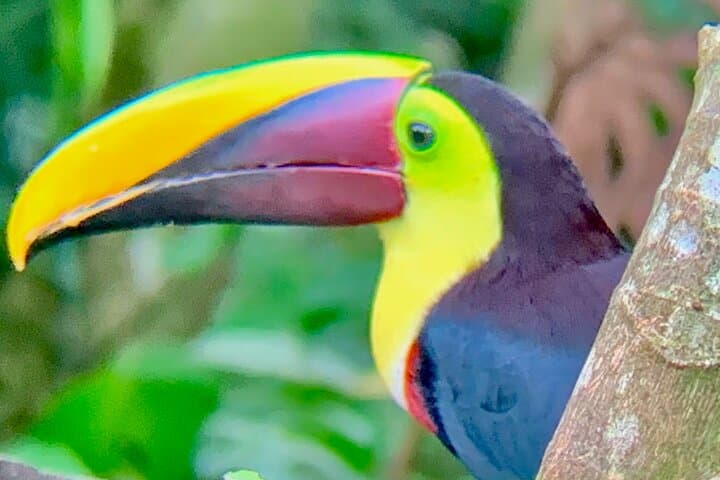
Culturally, the region is part of Guanacaste’s rural backbone, where cattle ranching and small farms meet conservation efforts protecting primary forest and wildlife corridors. Guides point out sloths hanging motionless, toucans flashing color, and howler monkeys echoing through the canopy.
Practical guidance: expect roughly 1.5 hours of hiking on uneven, sometimes muddy trails; bring sturdy shoes, a quick-dry towel, rain protection, and cash for park rentals. The tour typically includes lunch, bottled water, and private transport; follow guide instructions near the river’s source — entry is restricted in places to protect the blue phenomenon. Time your visit in the morning to avoid crowds and afternoon showers. Respect trail closures, pack out waste, and give wildlife space — the forest responds when you move quietly and deliberately.
moderate.
6 hours.
Moderate fitness required: able to hike 1–2 hours on uneven rainforest trails and handle short swims.
Expect a moderate hike of about 1–1.5 hours each way on uneven, sometimes muddy trails; guided groups move at a steady but accessible pace.
Swimming is discouraged at the Rio Celeste source to protect the phenomenon, but the Llanos de Cortez waterfall has a safe, sandy pool popular for swimming.
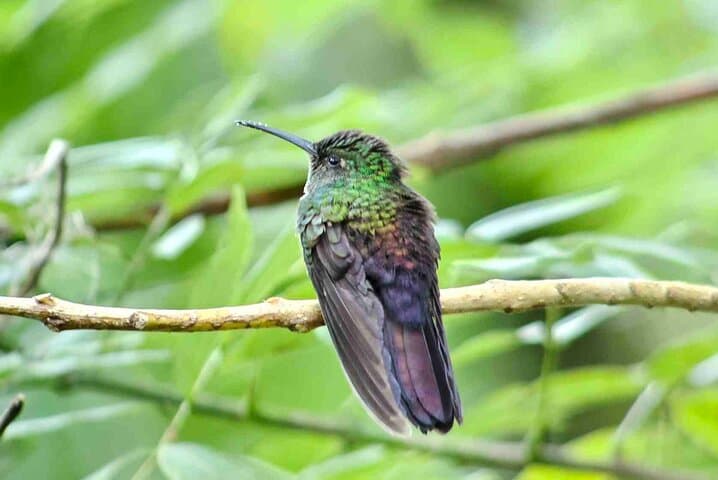
Common sightings include two- and three-toed sloths, toucans, howler monkeys, and a variety of frogs and forest birds—bring binoculars and be patient.
This tour typically includes private air-conditioned transport, bottled water, and a Costa Rican lunch; confirm dietary needs when booking.
Tenorio’s landscape is sculpted by volcanic activity; the park was protected to conserve unique volcanic features, cloud forests, and watershed systems that feed lower valleys.
Tenorio is a national park with strict trail limits and rules to protect the river’s chemistry and surrounding habitat — stick to paths, avoid soaps in water, and carry out all trash.
Guanacaste Adventure & Travel operates guided outdoor trips and adventures with an emphasis on safety, stewardship, and memorable experiences.


Mist hangs low in the rainforest as the trail narrows and the river ahead brightens to an impossible blue. Hikers follow a shaded path through secondary forest, ferns brushing the knees, until the river makes its signature turn into a sky-colored channel and finally plunges over the Rio Celeste waterfall.
Mist hangs low in the rainforest as the trail narrows and the river ahead brightens to an impossible blue. Hikers follow a shaded path through secondary forest, ferns brushing the knees, until the river makes its signature turn into a sky-colored channel and finally plunges over the Rio Celeste waterfall.
The color comes from volcanic chemistry: rivers draining Tenorio Volcano carry dissolved minerals and hydrothermal deposits that combine and scatter light at a particular bend in the river. The park sits on old volcanic slopes and thermal vents, a landscape shaped by eruptions and slow erosion. Nearby, Llanos de Cortez offers a different mood — a wide curtain of water spilling into a white-sand pool suitable for a swim and short, relaxed exploration.
Culturally, the region is part of Guanacaste’s rural backbone, where cattle ranching and small farms meet conservation efforts protecting primary forest and wildlife corridors. Guides point out sloths hanging motionless, toucans flashing color, and howler monkeys echoing through the canopy.
Practical guidance: expect roughly 1.5 hours of hiking on uneven, sometimes muddy trails; bring sturdy shoes, a quick-dry towel, rain protection, and cash for park rentals. The tour typically includes lunch, bottled water, and private transport; follow guide instructions near the river’s source — entry is restricted in places to protect the blue phenomenon. Time your visit in the morning to avoid crowds and afternoon showers. Respect trail closures, pack out waste, and give wildlife space — the forest responds when you move quietly and deliberately.