THE ADVENTURE COLLECTIVE® · Independent discovery and booking for outdoor travel

Experience the surreal blue of Rio Celeste on a guided day hike through Tenorio Volcano National Park. Learn the volcanic chemistry behind the color, enjoy rainforest trails, and plan for muddy sections and early starts.
Experience the surreal blue of Rio Celeste on a guided day hike through Tenorio Volcano National Park. Learn the volcanic chemistry behind the color, enjoy rainforest trails, and plan for muddy sections and early starts.
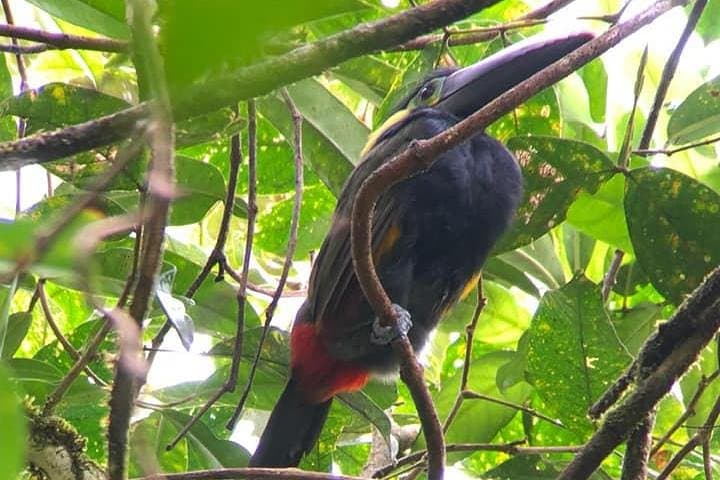
You step from humid trail into a corridor of green: ferns brush your calves, birds call overhead and a low, mineral-scented mist hangs where river and air meet. A short scramble and the trail opens to a bowl of impossible blue — Rio Celeste’s waterfall dumping into a milky-blue lagoon that seems to glow from beneath.
Verified experiences and guided adventures in the surrounding area.
Operated by Arenal Expeditions-Tours and Transfers · Bijagua, Alajuela
You step from humid trail into a corridor of green: ferns brush your calves, birds call overhead and a low, mineral-scented mist hangs where river and air meet. A short scramble and the trail opens to a bowl of impossible blue — Rio Celeste’s waterfall dumping into a milky-blue lagoon that seems to glow from beneath.
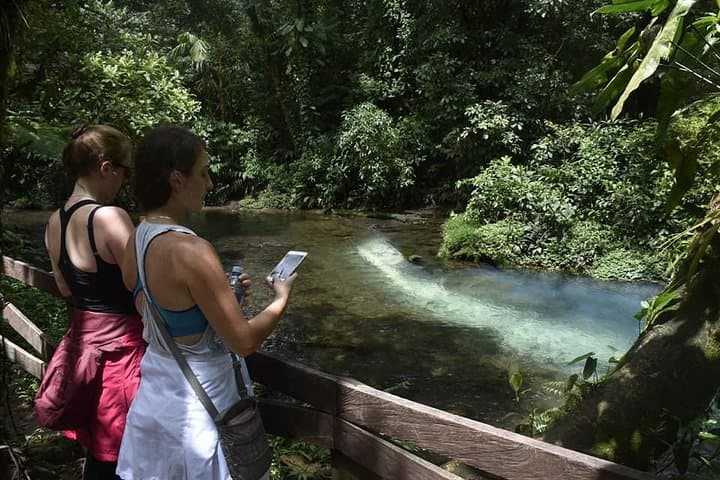
The color that hooks every visitor is geological theatre: sulfur and calcium carbonate from nearby volcanic soils meet and scatter sunlight into that signature powder-blue. The feature sits inside Tenorio Volcano National Park, protected since the 1990s, on terrain shaped by recent volcanic uplift and older volcanic remnants that feed springs and thermal seeps.
Local communities around Bijagua and the broader Guanacaste/Alajuela border are largely rural and agricultural; guides often share stories of conservation wins and the cultural shift toward eco-tourism that helped protect the watershed.
On the trail expect roughly 7 km round-trip with about 150–250 m of cumulative elevation gain over uneven forest paths, boardwalk sections and occasional muddy stretches. Terrain is mostly singletrack with roots and stone; good footwear and steady footing matter. Best light and most vivid water color come in the dry months (December–April), though rain keeps the forest lush and wildlife active.
Practical: arrive early to avoid crowds and limited parking, bring a rain shell and insect repellent, and follow park rules — swimming at the main fall is restricted to protect the river chemistry. A guided private tour from La Fortuna or Tamarindo streamlines transport and interpretation, letting you focus on the color, the geology and the small moments: a river that dares you to look twice.
moderate.
3–5 hours.
Moderate fitness — able to hike several kilometers on uneven trails and handle short uphill sections.
Swimming at the main waterfall is restricted in the national park to protect the river’s chemical balance; designated areas may permit wading but follow guide and park rules.
The standard park trail to the waterfall and back is about 6–8 km round-trip with roughly 150–250 m of elevation change; expect 3–5 hours depending on pace and stops.
The dry season (December–April) usually offers the clearest, most vibrant blue because lower runoff reduces sediment that can dull the color.
Guides are not mandatory but recommended — they handle logistics, provide naturalist interpretation, and help minimize environmental impact.
Tenorio Volcano area has volcanic origins; the park was established to protect its watershed and unique hydrothermal features that support local biodiversity and downstream agriculture.
Park protections limit swimming and control trails to reduce sediment runoff; visitors are asked to stay on paths and avoid introducing pollutants that alter the river’s chemistry.
Arenal Expeditions-Tours and Transfers operates guided outdoor trips and adventures with an emphasis on safety, stewardship, and memorable experiences.
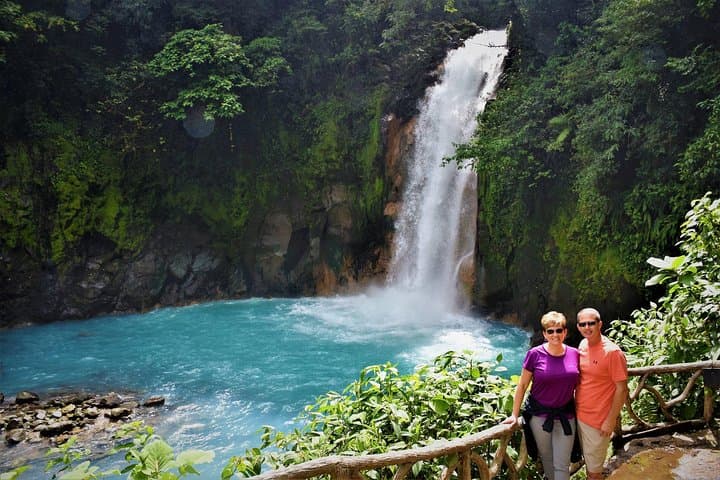

You step from humid trail into a corridor of green: ferns brush your calves, birds call overhead and a low, mineral-scented mist hangs where river and air meet. A short scramble and the trail opens to a bowl of impossible blue — Rio Celeste’s waterfall dumping into a milky-blue lagoon that seems to glow from beneath.
You step from humid trail into a corridor of green: ferns brush your calves, birds call overhead and a low, mineral-scented mist hangs where river and air meet. A short scramble and the trail opens to a bowl of impossible blue — Rio Celeste’s waterfall dumping into a milky-blue lagoon that seems to glow from beneath.
The color that hooks every visitor is geological theatre: sulfur and calcium carbonate from nearby volcanic soils meet and scatter sunlight into that signature powder-blue. The feature sits inside Tenorio Volcano National Park, protected since the 1990s, on terrain shaped by recent volcanic uplift and older volcanic remnants that feed springs and thermal seeps.
Local communities around Bijagua and the broader Guanacaste/Alajuela border are largely rural and agricultural; guides often share stories of conservation wins and the cultural shift toward eco-tourism that helped protect the watershed.
On the trail expect roughly 7 km round-trip with about 150–250 m of cumulative elevation gain over uneven forest paths, boardwalk sections and occasional muddy stretches. Terrain is mostly singletrack with roots and stone; good footwear and steady footing matter. Best light and most vivid water color come in the dry months (December–April), though rain keeps the forest lush and wildlife active.
Practical: arrive early to avoid crowds and limited parking, bring a rain shell and insect repellent, and follow park rules — swimming at the main fall is restricted to protect the river chemistry. A guided private tour from La Fortuna or Tamarindo streamlines transport and interpretation, letting you focus on the color, the geology and the small moments: a river that dares you to look twice.