THE ADVENTURE COLLECTIVE® · Independent discovery and booking for outdoor travel

A full-day trip from Guanacaste to Río Celeste and Tenorio Volcano combines a short rainforest hike with dramatic geology and reliable wildlife viewing. Expect turquoise waterfalls, steam-scented trails and slow-moving sloths in the canopy.
A full-day trip from Guanacaste to Río Celeste and Tenorio Volcano combines a short rainforest hike with dramatic geology and reliable wildlife viewing. Expect turquoise waterfalls, steam-scented trails and slow-moving sloths in the canopy.
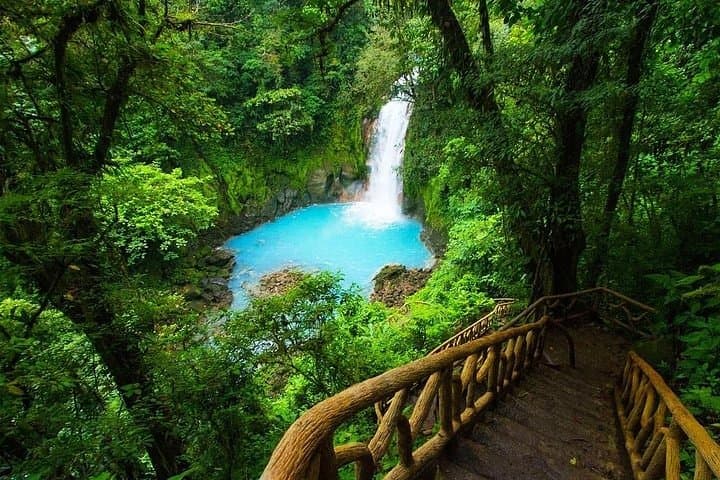
Fog thins above the trail and the river’s impossible blue appears almost without warning—an electric slice of color cutting through rainforest green. On this full-day loop from Guanacaste you follow packed dirt and boardwalks beneath a canopy that drips with humidity, pause at the arching Rio Celeste waterfall, then slow your breath for the deliberate movements of a wild sloth in the treetops.
Verified experiences and guided adventures in the surrounding area.
Operated by AyE Tours Travel Costa Rica · Bijagua, Alajuela
Fog thins above the trail and the river’s impossible blue appears almost without warning—an electric slice of color cutting through rainforest green. On this full-day loop from Guanacaste you follow packed dirt and boardwalks beneath a canopy that drips with humidity, pause at the arching Rio Celeste waterfall, then slow your breath for the deliberate movements of a wild sloth in the treetops.
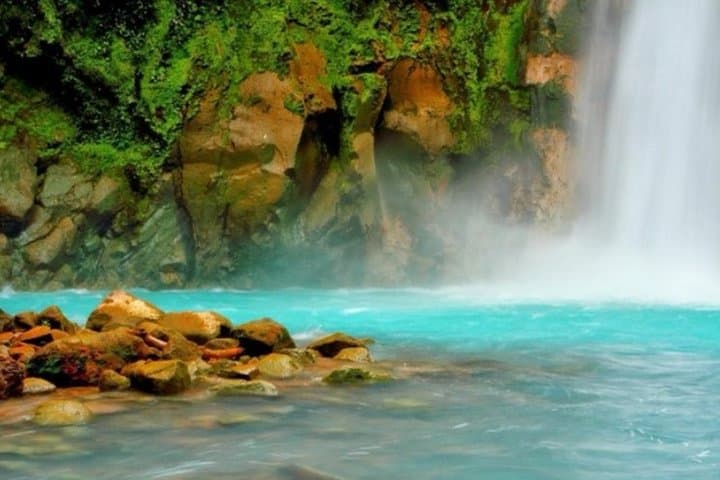
Tenorio Volcano National Park sits on volcanic rock and a unique chemistry: hydrothermal minerals oxidize and refract light to create Río Celeste’s blue. The park traces its protection history to Costa Rica’s 20th-century conservation surge, and the surrounding communities keep a strong rural culture—small dairy farms, local sodas (lunch stops) and guides raised on these trails.
Geology here is active and visible: sulfur vents, layered lava flows and steep ravine cuts show recent volcanic shaping. Birdlife is loud and bold—scarlet macaws and toucans are common—while mammals like sloths and, more elusive, tapirs use the forest’s vertical layers.
Practical side: the main trail is well-marked but wet and uneven; expect slippery stairs and stream crossings. Plan for half to full days on foot, bring water, rain protection and sturdy shoes, and allow extra time for wildlife stops. Park entrance and guide fees are included on most organized tours; follow park rules—stay on trail, avoid feeding wildlife, and carry out waste. Early starts win better light, harder wildlife sightings and cooler hiking conditions.
moderate.
3–4 hours (on-trail); full tour ~4 hours total from Guanacaste pickup.
Suitable for people who can walk 2–4 miles on uneven, sometimes steep terrain; short, frequent stops make wildlife viewing accessible
The primary loop from the park trailhead is roughly 3–4 km round trip and takes about 1.5–2 hours at a moderate pace, longer with wildlife stops.
Swimming is not permitted at the main waterfall and many blue pools—check local signage; some upstream areas are off-limits to protect delicate mineral deposits.
Sloth sightings are common but never guaranteed; guides are experienced at finding active trees, and mornings increase chances.
Organized tours typically include national park entrance and round-trip hotel pickup from Guanacaste; confirm inclusions at booking.
Tenorio’s protected area was established as part of Costa Rica’s late-20th-century conservation push; volcanic activity and local farming shaped settlement patterns around Bijagua.
Río Celeste’s color depends on delicate chemical and hydrological balance—avoid soaps in streams, stay on trails, and support local guides who practice low-impact tourism.
AyE Tours Travel Costa Rica operates guided outdoor trips and adventures with an emphasis on safety, stewardship, and memorable experiences.
Fog thins above the trail and the river’s impossible blue appears almost without warning—an electric slice of color cutting through rainforest green. On this full-day loop from Guanacaste you follow packed dirt and boardwalks beneath a canopy that drips with humidity, pause at the arching Rio Celeste waterfall, then slow your breath for the deliberate movements of a wild sloth in the treetops.
Fog thins above the trail and the river’s impossible blue appears almost without warning—an electric slice of color cutting through rainforest green. On this full-day loop from Guanacaste you follow packed dirt and boardwalks beneath a canopy that drips with humidity, pause at the arching Rio Celeste waterfall, then slow your breath for the deliberate movements of a wild sloth in the treetops.
Tenorio Volcano National Park sits on volcanic rock and a unique chemistry: hydrothermal minerals oxidize and refract light to create Río Celeste’s blue. The park traces its protection history to Costa Rica’s 20th-century conservation surge, and the surrounding communities keep a strong rural culture—small dairy farms, local sodas (lunch stops) and guides raised on these trails.
Geology here is active and visible: sulfur vents, layered lava flows and steep ravine cuts show recent volcanic shaping. Birdlife is loud and bold—scarlet macaws and toucans are common—while mammals like sloths and, more elusive, tapirs use the forest’s vertical layers.
Practical side: the main trail is well-marked but wet and uneven; expect slippery stairs and stream crossings. Plan for half to full days on foot, bring water, rain protection and sturdy shoes, and allow extra time for wildlife stops. Park entrance and guide fees are included on most organized tours; follow park rules—stay on trail, avoid feeding wildlife, and carry out waste. Early starts win better light, harder wildlife sightings and cooler hiking conditions.