THE ADVENTURE COLLECTIVE® · Independent discovery and booking for outdoor travel

A full‑day guided loop through Tenorio Volcano National Park that pairs the surreal turquoise Celeste River with a hands‑on sloth sanctuary visit and a swim at Llanos de Cortés. Expect rainforest trails, mineral‑streaked waterfalls, and photo‑ready wildlife encounters.
A full‑day guided loop through Tenorio Volcano National Park that pairs the surreal turquoise Celeste River with a hands‑on sloth sanctuary visit and a swim at Llanos de Cortés. Expect rainforest trails, mineral‑streaked waterfalls, and photo‑ready wildlife encounters.
You step off the air‑conditioned van into the damp hush of the rainforest and a river the color of powdered turquoise dares you to follow it upstream. Mist threads the trail as your guide points the way to Los Teñideros, where two streams meet and chemistry paints the Celeste River electric blue. Later, a slow‑moving sloth blinks from a hammock of leaves at the sanctuary, indifferent to the chatter of cameras.
Verified experiences and guided adventures in the surrounding area.
Operated by Guanacaste Airport Shuttle Cr · Bijagua, Alajuela
You step off the air‑conditioned van into the damp hush of the rainforest and a river the color of powdered turquoise dares you to follow it upstream. Mist threads the trail as your guide points the way to Los Teñideros, where two streams meet and chemistry paints the Celeste River electric blue. Later, a slow‑moving sloth blinks from a hammock of leaves at the sanctuary, indifferent to the chatter of cameras.
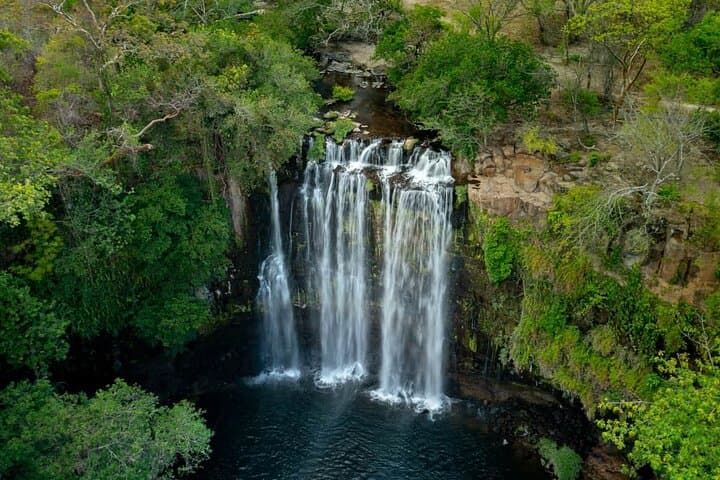
Tenorio Volcano National Park is young terrain: volcanic rock, hot springs and acidic soils shape a dense, humid forest. The Celeste hue comes from mineral interactions—aluminum silicates and sulfuric compounds—that scatter light; locals in Bijagua have long told stories about the river’s colour, woven into the community’s eco‑tourism efforts. Llanos de Cortés, with its 20‑meter curtain and broad natural pool, sits lower on the slopes where rain and lava have smoothed the rock into inviting swim holes.
Practical guidance: expect a day of varied walking—roughly a 6–8 km roundtrip on Tenorio trails with 200–400 m of cumulative ascent on uneven, often muddy paths. Bring sturdy shoes, a rain layer, water, and a change of clothes for the falls. The sanctuary visit is educational and photo‑friendly but respectful distance is enforced for animal welfare. Plan for early departure and a full 10–11 hour day when pick‑up is included; light arrives and leaves quickly under the canopy, so time your best photos mid‑morning. Hydrate, pack insect repellent, and leave sunscreen‑lathered skin away from the river to protect the ecosystem. The route balances rainforest hiking, wildlife viewing, and a refreshing swim—an accessible, full‑day window into Costa Rica’s volcanic heart.
moderate.
10–11 hours.
Suitable for travelers with regular mobility and basic hiking fitness; expect several kilometers on uneven trails and short, steep sections.
According to the itinerary, entrance fees for Tenorio Volcano National Park, Llanos de Cortés, and the Butterfly & Sloth facility are included in the tour price.
Swimming is not permitted at the most iconic blue stretch and Los Teñideros to protect the fragile ecosystem, but Llanos de Cortés offers a safe, supervised swimming pool below the falls.
Expect roughly 6–8 km roundtrip on Tenorio trails with about 200–400 m of cumulative ascent across uneven, sometimes muddy terrain; trails include stairs and narrow boardwalks.
Yes—small children and older travelers can join, but a moderate fitness level is required for the hike; the operator provides private transport and can accommodate infants with seats.
The Tenorio area formed from relatively recent volcanic activity; volcanic minerals in the watershed create the Celeste River’s striking color and have shaped local soils used for small‑scale agriculture.
Stay on marked trails, avoid sunscreen or soaps in the water, and support local sanctuaries that rehabilitate wildlife and fund community conservation initiatives.
Guanacaste Airport Shuttle Cr operates guided outdoor trips and adventures with an emphasis on safety, stewardship, and memorable experiences.

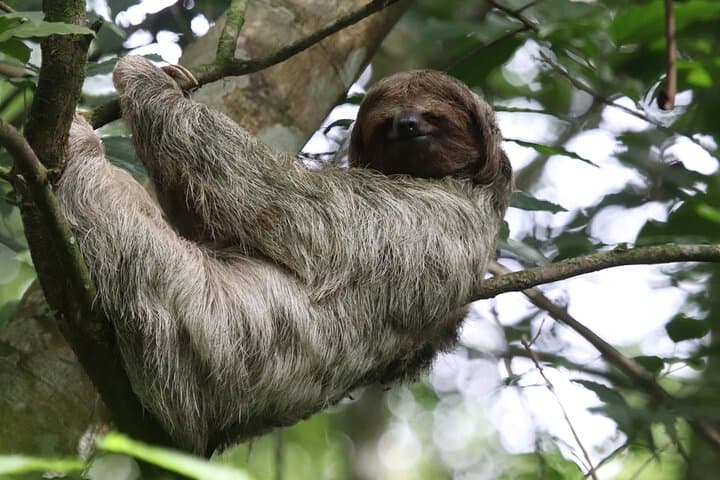

You step off the air‑conditioned van into the damp hush of the rainforest and a river the color of powdered turquoise dares you to follow it upstream. Mist threads the trail as your guide points the way to Los Teñideros, where two streams meet and chemistry paints the Celeste River electric blue. Later, a slow‑moving sloth blinks from a hammock of leaves at the sanctuary, indifferent to the chatter of cameras.
You step off the air‑conditioned van into the damp hush of the rainforest and a river the color of powdered turquoise dares you to follow it upstream. Mist threads the trail as your guide points the way to Los Teñideros, where two streams meet and chemistry paints the Celeste River electric blue. Later, a slow‑moving sloth blinks from a hammock of leaves at the sanctuary, indifferent to the chatter of cameras.
Tenorio Volcano National Park is young terrain: volcanic rock, hot springs and acidic soils shape a dense, humid forest. The Celeste hue comes from mineral interactions—aluminum silicates and sulfuric compounds—that scatter light; locals in Bijagua have long told stories about the river’s colour, woven into the community’s eco‑tourism efforts. Llanos de Cortés, with its 20‑meter curtain and broad natural pool, sits lower on the slopes where rain and lava have smoothed the rock into inviting swim holes.
Practical guidance: expect a day of varied walking—roughly a 6–8 km roundtrip on Tenorio trails with 200–400 m of cumulative ascent on uneven, often muddy paths. Bring sturdy shoes, a rain layer, water, and a change of clothes for the falls. The sanctuary visit is educational and photo‑friendly but respectful distance is enforced for animal welfare. Plan for early departure and a full 10–11 hour day when pick‑up is included; light arrives and leaves quickly under the canopy, so time your best photos mid‑morning. Hydrate, pack insect repellent, and leave sunscreen‑lathered skin away from the river to protect the ecosystem. The route balances rainforest hiking, wildlife viewing, and a refreshing swim—an accessible, full‑day window into Costa Rica’s volcanic heart.