THE ADVENTURE COLLECTIVE® · Independent discovery and booking for outdoor travel

A private full-day hike to Río Celeste combines rainforest walking, a rare blue river caused by volcanic chemistry, and a restorative dip at nearby waterfalls and hot springs. Expect a 9–10 hour day with a 4-hour, moderately strenuous hike, hotel pickup, and lunch.
A private full-day hike to Río Celeste combines rainforest walking, a rare blue river caused by volcanic chemistry, and a restorative dip at nearby waterfalls and hot springs. Expect a 9–10 hour day with a 4-hour, moderately strenuous hike, hotel pickup, and lunch.
You wake before dawn and the van eases out of Tamarindo into a country smeared with coffee plantations and grazing cattle. By the time the road narrows and the air thickens with humid green, the rainforest has already taken over—ferns brushing your calves, motmots calling from high branches. The trail to Río Celeste threads through volcanic soil and moss-laced boulders until, at the Teñidero, the river seems to change its mind—two colorless streams collide and, by chemistry and light, the water turns an impossible blue that dares you to look away.
Verified experiences and guided adventures in the surrounding area.
Operated by Liberia Shuttle Services · Bijagua, Guanacaste
You wake before dawn and the van eases out of Tamarindo into a country smeared with coffee plantations and grazing cattle. By the time the road narrows and the air thickens with humid green, the rainforest has already taken over—ferns brushing your calves, motmots calling from high branches. The trail to Río Celeste threads through volcanic soil and moss-laced boulders until, at the Teñidero, the river seems to change its mind—two colorless streams collide and, by chemistry and light, the water turns an impossible blue that dares you to look away.
Geology and history anchor the scene. Río Celeste’s hue comes from minerals and suspended particles created by volcanic runoff where two tributaries meet, inside Tenorio Volcano National Park, a protected area established to conserve the region’s unique geothermal and hydrological systems. Nearby Llanos de Cortés offers a broader curtain of water for a cooling swim, and local guides add context on indigenous use, farming histories, and ongoing conservation work.
Practical guidance: Expect a full 9–10 hour day with roughly a 4-hour, moderately strenuous hike covering 6–8 km on uneven rainforest trails with 200–300 m of ascent/descent. Trails are muddy in the wet season; sturdy hiking shoes, plenty of water, insect repellent, and a waterproof camera are essential. A typical itinerary includes hotel pickup, the guided hike to viewpoints and the Teñidero, lunch, and a stop at Llanos de Cortés or natural hot springs for a soak. Respect wildlife, stay on marked trails, and plan for early starts—the light is best and trails are less crowded then.
moderate.
9–10 hours.
Moderately fit—comfortable walking 6–8 km on uneven, sometimes steep rainforest trails with some scrambling.
The guided route involves 4 hours of hiking on uneven rainforest trails with some steep sections—moderate fitness is sufficient, but those with mobility issues may find parts challenging.
Swimming is allowed in some areas but not at the Teñidero where the color change occurs; guides will direct you to safe bathing spots and to the Llanos de Cortés pool.
Bring a small amount of local currency for souvenirs, tips, or small purchases; the tour includes lunch and entrance fees.
The wet season (May–November) makes trails muddy and slippery—expect slower hiking and bring waterproof gear; cancellations for weather are not guaranteed so plan accordingly.
Tenorio Volcano National Park protects volcanic landscapes and the Río Celeste watershed; the park was set aside to conserve its unique geothermal features and biodiversity.
Stay on marked trails, avoid chemical sunscreens or soaps in water, and pack out all trash—local guides emphasize minimizing impact to protect the delicate river chemistry.
Liberia Shuttle Services operates guided outdoor trips and adventures with an emphasis on safety, stewardship, and memorable experiences.
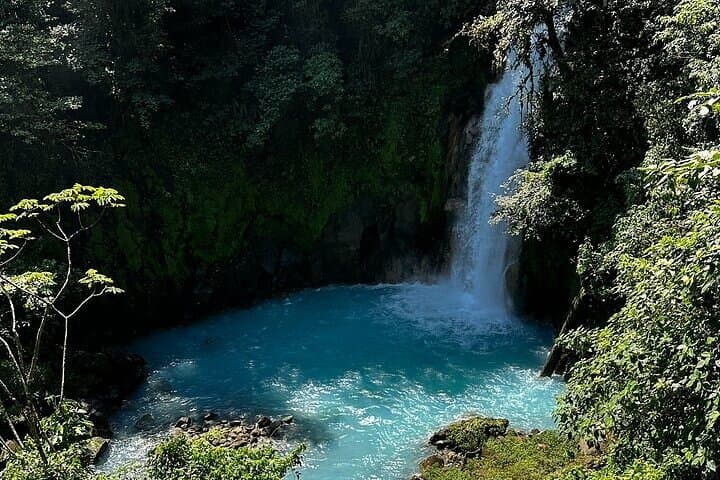
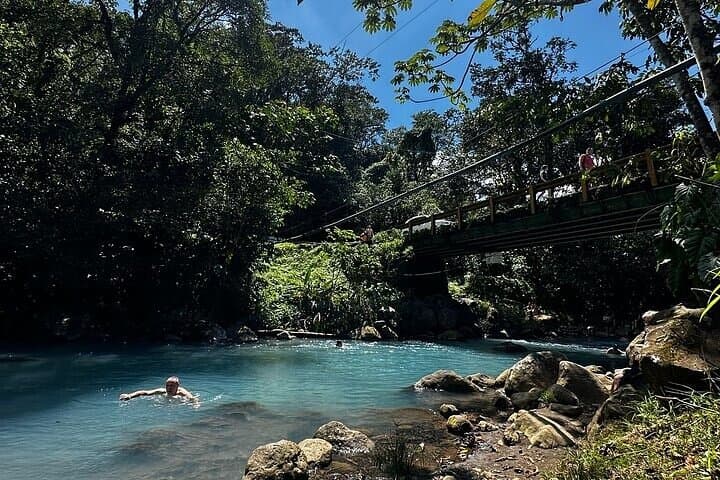
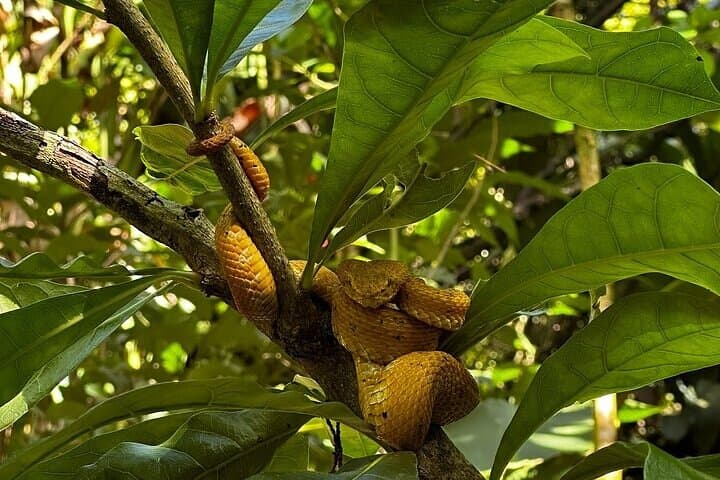
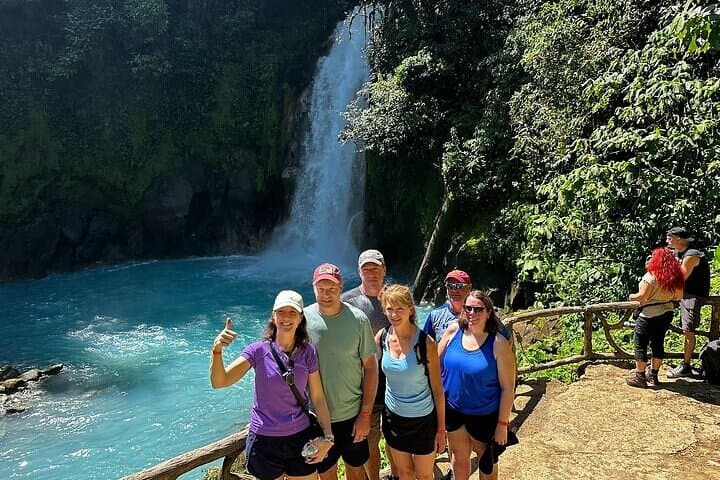
You wake before dawn and the van eases out of Tamarindo into a country smeared with coffee plantations and grazing cattle. By the time the road narrows and the air thickens with humid green, the rainforest has already taken over—ferns brushing your calves, motmots calling from high branches. The trail to Río Celeste threads through volcanic soil and moss-laced boulders until, at the Teñidero, the river seems to change its mind—two colorless streams collide and, by chemistry and light, the water turns an impossible blue that dares you to look away.
You wake before dawn and the van eases out of Tamarindo into a country smeared with coffee plantations and grazing cattle. By the time the road narrows and the air thickens with humid green, the rainforest has already taken over—ferns brushing your calves, motmots calling from high branches. The trail to Río Celeste threads through volcanic soil and moss-laced boulders until, at the Teñidero, the river seems to change its mind—two colorless streams collide and, by chemistry and light, the water turns an impossible blue that dares you to look away.
Geology and history anchor the scene. Río Celeste’s hue comes from minerals and suspended particles created by volcanic runoff where two tributaries meet, inside Tenorio Volcano National Park, a protected area established to conserve the region’s unique geothermal and hydrological systems. Nearby Llanos de Cortés offers a broader curtain of water for a cooling swim, and local guides add context on indigenous use, farming histories, and ongoing conservation work.
Practical guidance: Expect a full 9–10 hour day with roughly a 4-hour, moderately strenuous hike covering 6–8 km on uneven rainforest trails with 200–300 m of ascent/descent. Trails are muddy in the wet season; sturdy hiking shoes, plenty of water, insect repellent, and a waterproof camera are essential. A typical itinerary includes hotel pickup, the guided hike to viewpoints and the Teñidero, lunch, and a stop at Llanos de Cortés or natural hot springs for a soak. Respect wildlife, stay on marked trails, and plan for early starts—the light is best and trails are less crowded then.