THE ADVENTURE COLLECTIVE® · Independent discovery and booking for outdoor travel

This full-day tour from Guanacaste combines a cooling swim at Llanos de Cortes, a guided hike to the otherworldly blue of Rio Celeste in Tenorio Volcano National Park, and a visit to a local sloth sanctuary. Read on for what to expect, history, and practical tips.
This full-day tour from Guanacaste combines a cooling swim at Llanos de Cortes, a guided hike to the otherworldly blue of Rio Celeste in Tenorio Volcano National Park, and a visit to a local sloth sanctuary. Read on for what to expect, history, and practical tips.
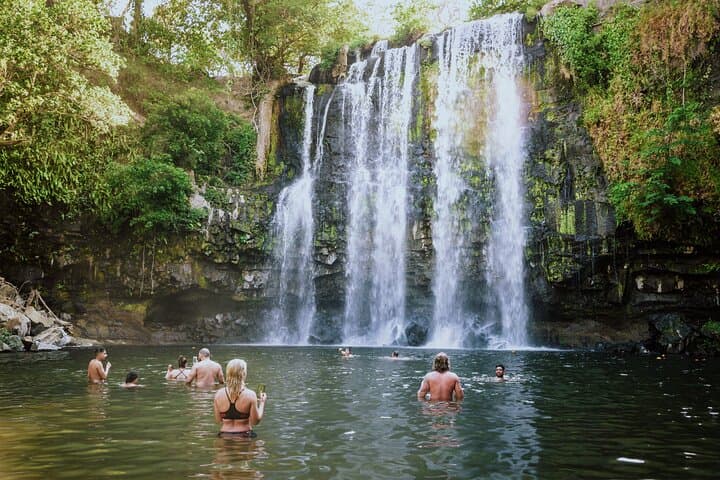
You step off the minibus into humid air scented with wet earth and citrus; rainforest canopy closes in and the river ahead seems to glow. The day moves like a sequence of short acts: a cool swim at Llanos de Cortes, a rain-forest hike to an improbable turquoise cascade, then a slow, patient visit with rescued sloths at a rural sanctuary.
Verified experiences and guided adventures in the surrounding area.
Operated by Native's Way Costa Rica · Bijagua, Guanacaste
You step off the minibus into humid air scented with wet earth and citrus; rainforest canopy closes in and the river ahead seems to glow. The day moves like a sequence of short acts: a cool swim at Llanos de Cortes, a rain-forest hike to an improbable turquoise cascade, then a slow, patient visit with rescued sloths at a rural sanctuary.
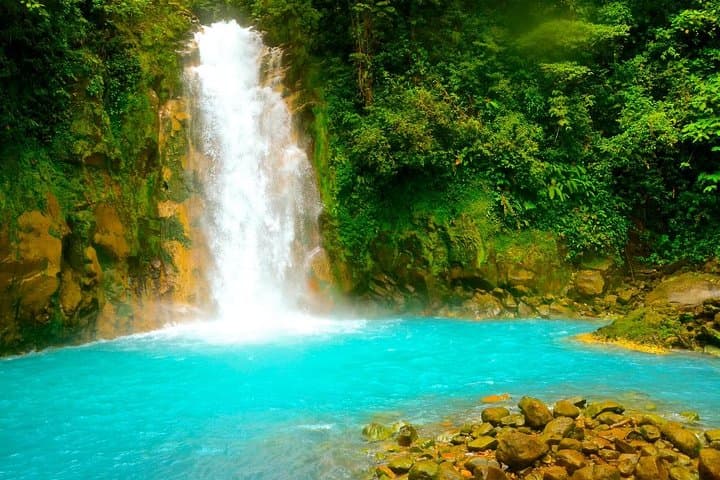
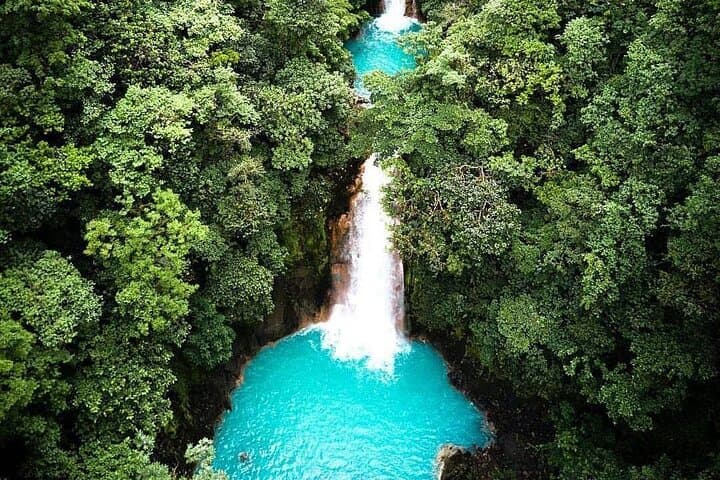
Tenorio Volcano National Park protects the Rio Celeste watershed — volcanic soils, sulfurous springs and suspended mineral particles combine to refract sunlight and give the river its famous blue. Local folklore still credits a god’s washed bandana for the color; science points to aluminium-silicate colloids and light scattering at the river’s ‘mixing point.’ The Guanacaste region carries both volcanic geology and a long cattle-ranching and farming culture, visible in small roadside sodas and the organic farm that hosts the sanctuary.
Expect muddy trail sections, a steady moderate climb and dense shade broken by sudden viewpoints. Guides point out native tree species, toucans, and sloth behavior; park rules prohibit swimming at the Rio Celeste waterfall for safety and conservation reasons, though Llanos de Cortes invites a cooling dip.
Practical tip: the tour is long (plan on a full day), bring layered rain gear, sturdy closed-toe shoes, plenty of water, insect repellent and a waterproof bag for cameras. You’ll need passport details ahead of time for park entry. Follow your guide’s route, stay on marked trails and leave no trace so this fragile blue river stays blue for the next visitor.
moderate.
12 hours.
Moderate fitness—comfortable walking on uneven terrain for 2–3 hours, plus travel time
No—swimming at the Rio Celeste waterfall is not permitted for safety and conservation reasons; Llanos de Cortes is the designated swimming spot on the tour.
The guided hiking portion is roughly 2 hours on moderate trails with some muddy or uneven sections; plan for short stops at viewpoints.
Yes—the park requires passport name, number and issuing country in advance for entrance; carry a photo of your passport during the tour.
Generally yes, but heavy rains can turn the river brown temporarily by stirring sediments upstream; guides will note conditions before arrival.
Tenorio’s landscape is shaped by volcanic activity; the river’s blue color is a geological quirk of mineral-rich springs mixing downstream and has inspired local folklore about a deity’s washed cloth.
Tenorio and Llanos de Cortes are protected; stay on trails, pack out trash and avoid swimming at restricted areas to minimize erosion and habitat disturbance.
Native's Way Costa Rica operates guided outdoor trips and adventures with an emphasis on safety, stewardship, and memorable experiences.

You step off the minibus into humid air scented with wet earth and citrus; rainforest canopy closes in and the river ahead seems to glow. The day moves like a sequence of short acts: a cool swim at Llanos de Cortes, a rain-forest hike to an improbable turquoise cascade, then a slow, patient visit with rescued sloths at a rural sanctuary.
You step off the minibus into humid air scented with wet earth and citrus; rainforest canopy closes in and the river ahead seems to glow. The day moves like a sequence of short acts: a cool swim at Llanos de Cortes, a rain-forest hike to an improbable turquoise cascade, then a slow, patient visit with rescued sloths at a rural sanctuary.
Tenorio Volcano National Park protects the Rio Celeste watershed — volcanic soils, sulfurous springs and suspended mineral particles combine to refract sunlight and give the river its famous blue. Local folklore still credits a god’s washed bandana for the color; science points to aluminium-silicate colloids and light scattering at the river’s ‘mixing point.’ The Guanacaste region carries both volcanic geology and a long cattle-ranching and farming culture, visible in small roadside sodas and the organic farm that hosts the sanctuary.
Expect muddy trail sections, a steady moderate climb and dense shade broken by sudden viewpoints. Guides point out native tree species, toucans, and sloth behavior; park rules prohibit swimming at the Rio Celeste waterfall for safety and conservation reasons, though Llanos de Cortes invites a cooling dip.
Practical tip: the tour is long (plan on a full day), bring layered rain gear, sturdy closed-toe shoes, plenty of water, insect repellent and a waterproof bag for cameras. You’ll need passport details ahead of time for park entry. Follow your guide’s route, stay on marked trails and leave no trace so this fragile blue river stays blue for the next visitor.