THE ADVENTURE COLLECTIVE® · Independent discovery and booking for outdoor travel

Hike into Tenorio Volcano National Park to see Río Celeste’s impossible blue waters and visit a sloth sanctuary on a single full-day tour. Expect rainforest trails, mineral-rich pools, and a moderate 3–4 km loop with interpretive guiding.
Hike into Tenorio Volcano National Park to see Río Celeste’s impossible blue waters and visit a sloth sanctuary on a single full-day tour. Expect rainforest trails, mineral-rich pools, and a moderate 3–4 km loop with interpretive guiding.
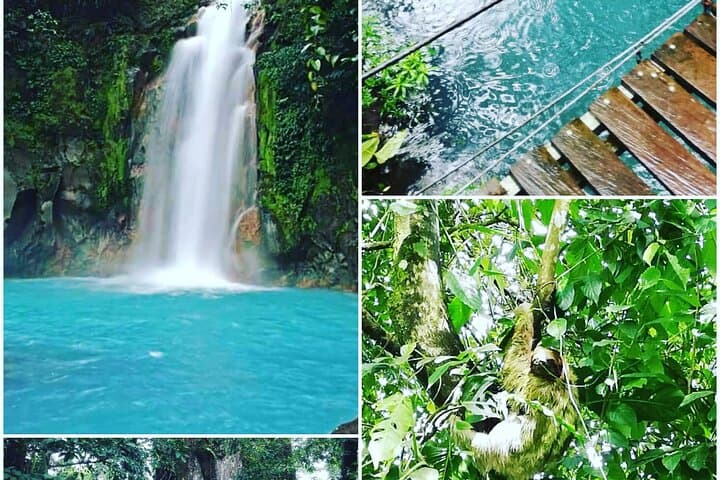
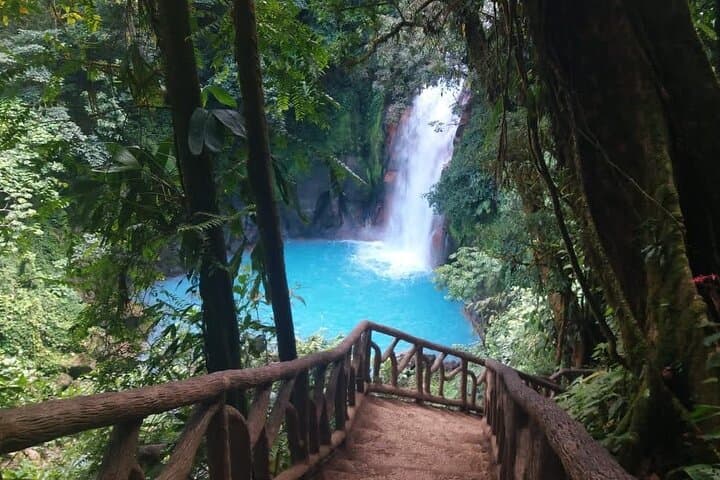
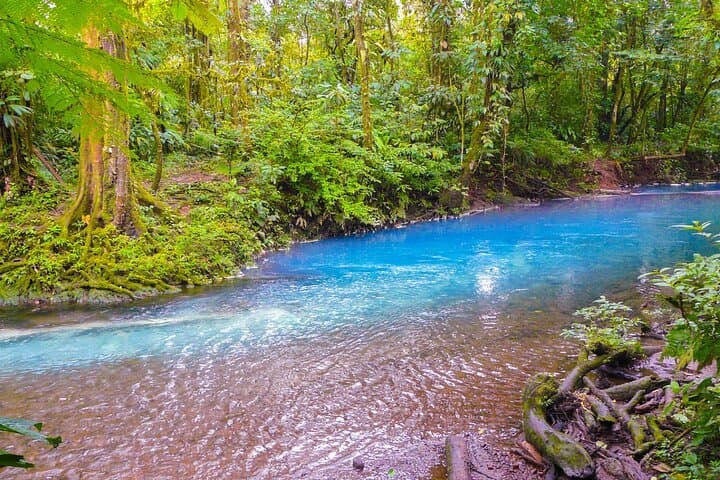
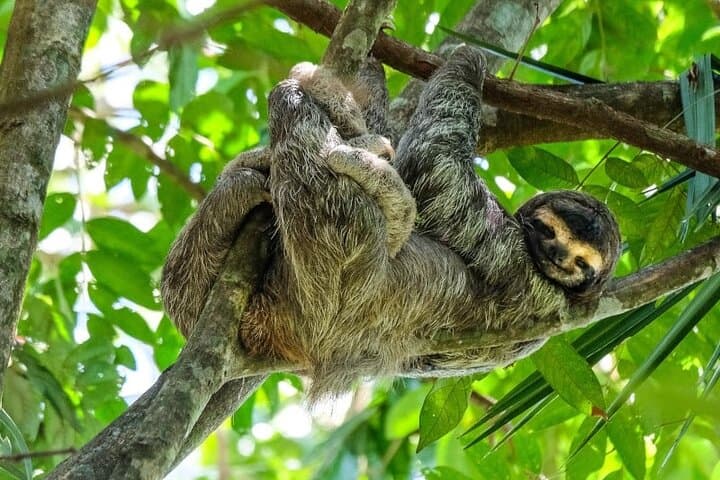
You step from the minivan into humid mountain air, and the forest swallows sound — leaves whisper, birds call, and distant water threads the valley. The trail into Tenorio Volcano National Park ascends through layered rainforest: moss-draped trunks, ferns brushing your calves, and the constant possibility of a sloth blinking from a high limb. After a steady climb the river appears, impossibly blue, as if the water itself decided to wear a coat of sky.
Verified experiences and guided adventures in the surrounding area.
Operated by Transmila Transfers and Tours · Bijagua, Guanacaste
You step from the minivan into humid mountain air, and the forest swallows sound — leaves whisper, birds call, and distant water threads the valley. The trail into Tenorio Volcano National Park ascends through layered rainforest: moss-draped trunks, ferns brushing your calves, and the constant possibility of a sloth blinking from a high limb. After a steady climb the river appears, impossibly blue, as if the water itself decided to wear a coat of sky.
The blue of Río Celeste is geological theatre: volcanic minerals and colloidal silica scatter sunlight, creating the vivid aquamarine that defined local lore long before the park opened. Tenorio’s trail network traces old lava flows and hot-spring chemistry zones; nearby communities have long combined cattle ranching and small-scale conservation work, including private rescue centers that care for sloths and displaced wildlife.
Expect a roughly 3–4 km park loop with about 100–200 m of elevation gain on uneven volcanic soil, boardwalks, and occasional steep steps. Guides point out the best viewpoints, explain the fragile chemistry that produces the color, and include a stop at a licensed sloth sanctuary where rescued animals are rehabilitated.
Practical edge: start early to dodge clouds and crowds, pack a rain layer and sturdy waterproof shoes, and keep soaps and sunscreen out of the water — the river’s hue is fragile. The full excursion runs about 6–7 hours including transport; moderate fitness makes the walk comfortable. Leave only footprints, move slowly near wildlife, and you’ll come away with the kind of nature memory that feels earned.
moderate.
6–7 hours.
Moderate; participants should be comfortable walking 3–4 km on uneven terrain and climbing stairs
The main park loop to Río Celeste is about 3–4 km with roughly 100–200 m of elevation change; expect 2–3 hours for the trail portion depending on stops.
Swimming at the main waterfall and certain pool areas in Tenorio is generally prohibited to protect the site and for safety; follow guide instructions for permitted areas.
Yes — the tour typically includes a stop at a licensed sloth rescue/rehabilitation center where guides explain care and conservation practices.
Children with steady footing and moderate fitness can usually join; the tour is not recommended for pregnant travelers or people with serious back or heart conditions due to uneven trails and transport.
Tenorio’s landscapes are shaped by volcanic activity; local communities have long regarded the river’s blue as a natural wonder and the park was set aside to protect its unique geology and biodiversity.
The river’s color depends on precise mineral chemistry—sticking to trails, avoiding pollutants, and choosing small-group tours help minimize human impact.
Transmila Transfers and Tours operates guided outdoor trips and adventures with an emphasis on safety, stewardship, and memorable experiences.
You step from the minivan into humid mountain air, and the forest swallows sound — leaves whisper, birds call, and distant water threads the valley. The trail into Tenorio Volcano National Park ascends through layered rainforest: moss-draped trunks, ferns brushing your calves, and the constant possibility of a sloth blinking from a high limb. After a steady climb the river appears, impossibly blue, as if the water itself decided to wear a coat of sky.
You step from the minivan into humid mountain air, and the forest swallows sound — leaves whisper, birds call, and distant water threads the valley. The trail into Tenorio Volcano National Park ascends through layered rainforest: moss-draped trunks, ferns brushing your calves, and the constant possibility of a sloth blinking from a high limb. After a steady climb the river appears, impossibly blue, as if the water itself decided to wear a coat of sky.
The blue of Río Celeste is geological theatre: volcanic minerals and colloidal silica scatter sunlight, creating the vivid aquamarine that defined local lore long before the park opened. Tenorio’s trail network traces old lava flows and hot-spring chemistry zones; nearby communities have long combined cattle ranching and small-scale conservation work, including private rescue centers that care for sloths and displaced wildlife.
Expect a roughly 3–4 km park loop with about 100–200 m of elevation gain on uneven volcanic soil, boardwalks, and occasional steep steps. Guides point out the best viewpoints, explain the fragile chemistry that produces the color, and include a stop at a licensed sloth sanctuary where rescued animals are rehabilitated.
Practical edge: start early to dodge clouds and crowds, pack a rain layer and sturdy waterproof shoes, and keep soaps and sunscreen out of the water — the river’s hue is fragile. The full excursion runs about 6–7 hours including transport; moderate fitness makes the walk comfortable. Leave only footprints, move slowly near wildlife, and you’ll come away with the kind of nature memory that feels earned.