THE ADVENTURE COLLECTIVE® · Independent discovery and booking for outdoor travel

Explore Tenorio Volcano National Park on a full-day expedition that pairs the surreal sky-blue Río Celeste waterfall with sloth viewing, Llanos del Cortez swimming, and a hands-on coffee and chocolate visit. Practical, guided, and rooted in local culture, this tour packs geology and gastronomy into one vivid day.
Explore Tenorio Volcano National Park on a full-day expedition that pairs the surreal sky-blue Río Celeste waterfall with sloth viewing, Llanos del Cortez swimming, and a hands-on coffee and chocolate visit. Practical, guided, and rooted in local culture, this tour packs geology and gastronomy into one vivid day.
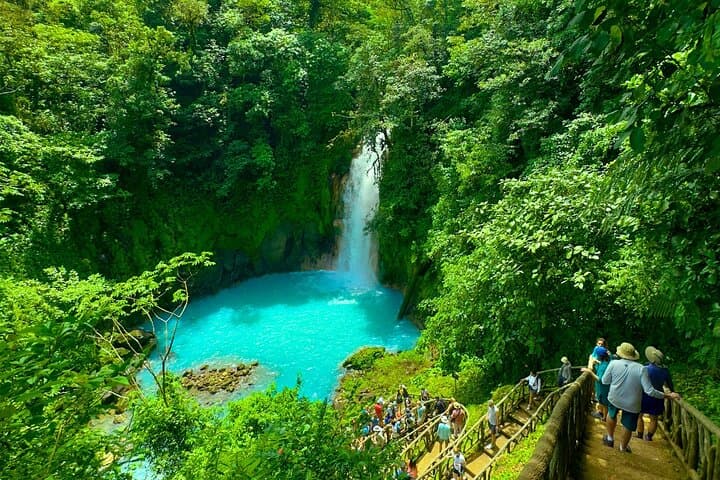
You step off the air-conditioned van into humid shade; a blue thread of river calls from the forest and seems to dare you closer. The trail into Tenorio Volcano National Park moves through primary rainforest—moss-slick trunks, ferns brushing your calves—and opens onto the surreal sky-blue of Río Celeste, where a chemical kiss of volcanic minerals turns the water an impossible color.
Verified experiences and guided adventures in the surrounding area.
Operated by Costa Rica Unique Transfers and Tours · Bijagua, Guanacaste
You step off the air-conditioned van into humid shade; a blue thread of river calls from the forest and seems to dare you closer. The trail into Tenorio Volcano National Park moves through primary rainforest—moss-slick trunks, ferns brushing your calves—and opens onto the surreal sky-blue of Río Celeste, where a chemical kiss of volcanic minerals turns the water an impossible color.
The river’s blue is geology in action: gases and mineral sediments from the Tenorio volcanic system create the scattering effect that dyes water downstream. The park sits on volcanic soils that supported a long history of small farms and now hosts eco-tourism tied to local families. Cultural stops on many excursions include small coffee and chocolate operations where traditional processing methods are demonstrated and local flavors are sampled.
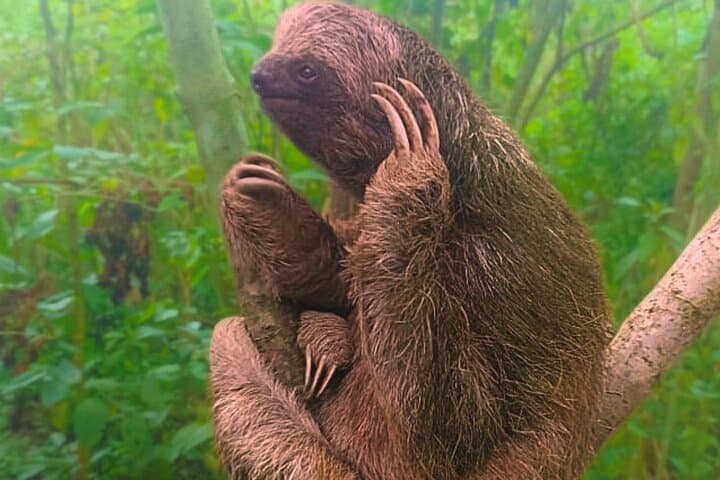
A full-day expedition typically pairs a 2–3 hour rainforest hike (roughly 6–7 km round-trip with ~250–350 m cumulative elevation) with wildlife viewing—sloths often visible on low trees near family properties—and a visit to Llanos del Cortez, a broad waterfall and natural swimming hole.
Practical notes: expect muddy sections, staircases and boardwalks, and heavy humidity; bring a rain shell and sturdy shoes. Guides typically include transport from nearby towns, a traditional Costa Rican lunch, and interpretation of flora and fauna. Keep distance from wildlife, avoid soaps or sunscreen in the river, and aim for early starts to beat crowds and afternoon downpours. The day balances hands-on cultural learning with high-impact nature moments—a compact, tactile Costa Rican adventure.
challenging.
5–6 hours.
Good cardiovascular fitness and experience on uneven, sometimes steep terrain; comfortable with repeated short climbs and humidity.
Expect roughly 6–7 km round-trip on established trails with about 250–350 m cumulative elevation gain; sections include stairs and muddy slopes, so it’s moderately to challengingly strenuous for those not used to tropical humidity.
Swimming at the iconic blue waterfall is restricted in many areas to protect the ecosystem; however, the itinerary usually includes Llanos del Cortez, where swimming is permitted—follow guide instructions and avoid using soap in any water.
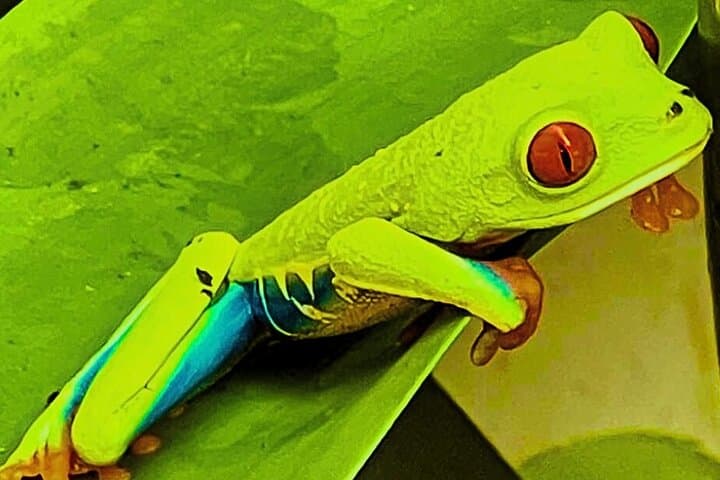
Common sightings include two-toed and three-toed sloths, white-faced capuchin or howler monkeys, toucans and other tropical birds; sightings aren’t guaranteed but guides know local hotspots.
The operator notes it’s not recommended for travelers with serious back or heart problems and is not advised for pregnant guests; children can participate but should be able to manage moderate hikes—check with the operator about ages and available child seats for transport.
The Tenorio area sits on volcanic terrain that shaped local agriculture; nearby communities historically grew coffee and cacao and now combine farming with eco-tourism to sustain livelihoods.
Visitors are asked to stay on marked trails, avoid introducing pollutants to water, and support local family enterprises that practice low-impact tourism to help preserve Río Celeste’s unique chemistry and surrounding rainforest.
Costa Rica Unique Transfers and Tours operates guided outdoor trips and adventures with an emphasis on safety, stewardship, and memorable experiences.

You step off the air-conditioned van into humid shade; a blue thread of river calls from the forest and seems to dare you closer. The trail into Tenorio Volcano National Park moves through primary rainforest—moss-slick trunks, ferns brushing your calves—and opens onto the surreal sky-blue of Río Celeste, where a chemical kiss of volcanic minerals turns the water an impossible color.
You step off the air-conditioned van into humid shade; a blue thread of river calls from the forest and seems to dare you closer. The trail into Tenorio Volcano National Park moves through primary rainforest—moss-slick trunks, ferns brushing your calves—and opens onto the surreal sky-blue of Río Celeste, where a chemical kiss of volcanic minerals turns the water an impossible color.
The river’s blue is geology in action: gases and mineral sediments from the Tenorio volcanic system create the scattering effect that dyes water downstream. The park sits on volcanic soils that supported a long history of small farms and now hosts eco-tourism tied to local families. Cultural stops on many excursions include small coffee and chocolate operations where traditional processing methods are demonstrated and local flavors are sampled.
A full-day expedition typically pairs a 2–3 hour rainforest hike (roughly 6–7 km round-trip with ~250–350 m cumulative elevation) with wildlife viewing—sloths often visible on low trees near family properties—and a visit to Llanos del Cortez, a broad waterfall and natural swimming hole.
Practical notes: expect muddy sections, staircases and boardwalks, and heavy humidity; bring a rain shell and sturdy shoes. Guides typically include transport from nearby towns, a traditional Costa Rican lunch, and interpretation of flora and fauna. Keep distance from wildlife, avoid soaps or sunscreen in the river, and aim for early starts to beat crowds and afternoon downpours. The day balances hands-on cultural learning with high-impact nature moments—a compact, tactile Costa Rican adventure.