THE ADVENTURE COLLECTIVE® · Independent discovery and booking for outdoor travel

A compact overnight trek to Senaru Crater Rim delivers a dramatic sunrise over Segara Anak and the Gili islands. Expect steep volcanic trails, porter-supported camps, and strong views for motivated hikers.
A compact overnight trek to Senaru Crater Rim delivers a dramatic sunrise over Segara Anak and the Gili islands. Expect steep volcanic trails, porter-supported camps, and strong views for motivated hikers.
You wake before dawn, headlamp bobbing through a pine-scrub ridge as cool mountain air pushes against your jacket. By the time the sky clarifies, the rim opens: Segara Anak lake sits low and glassy inside a black caldera, and the three Gili islands puncture the blue beyond Lombok’s coast. The hike to Senaru Crater Rim moves from jungle track to rocky switchbacks, then to loose volcanic scree that demands steady footing.
Verified experiences and guided adventures in the surrounding area.
Operated by LOMBOK TOUR AND TRAVEL · Senaru, West Nusa Tenggara
You wake before dawn, headlamp bobbing through a pine-scrub ridge as cool mountain air pushes against your jacket. By the time the sky clarifies, the rim opens: Segara Anak lake sits low and glassy inside a black caldera, and the three Gili islands puncture the blue beyond Lombok’s coast. The hike to Senaru Crater Rim moves from jungle track to rocky switchbacks, then to loose volcanic scree that demands steady footing.
Geology and history anchor the route — Mount Rinjani is an active stratovolcano whose repeated collapses created the deep caldera and the sacred Segara Anak. The volcano shapes local culture: Sasak rituals still honor the lake and its edges, and traditional villages such as Senaru act as gateways for guided treks. Expect porter-run camps and simple communal meals; this is trekking organized and social rather than fully self-supported.
Practically, the afternoon ascent from POS 3 to the rim takes roughly 3–4 hours over uneven terrain; the descent is longer and can take 6–9 hours back to Senaru. Guides handle permits and camp logistics, but you must be prepared for steep sections, variable weather, and limited toilet facilities. Hydrate, pace the climb, and carry layers — temperatures swing from humid lowland warmth to near-freezing at the rim pre-dawn. Sunrise is the payoff: a broad, clear vista and the quiet of a caldera morning.
Book in the dry season for firmer trails, bring cash for tips and small purchases in Senaru, and allow an extra day in your itinerary for transport or weather delays.
challenging.
2 days.
Good aerobic fitness; comfortable with sustained uphill hiking and long descents over loose volcanic terrain.
Guides organize permits and park fees as part of the tour; confirm inclusion before you go.
The climb includes steep switchbacks and loose volcanic scree; expect 3–4 hours up and longer on the descent, suitable for fit hikers.
The rim is high but below extreme altitudes; stay hydrated, ascend at a steady pace, and inform guides of any symptoms.
Facilities are basic: expect pit toilets at camps and minimal or no showers; pack hygiene supplies and toilet paper.
Rinjani’s caldera formed through major eruptions; the lake Segara Anak is culturally sacred to Sasak people and features in local ceremonies.
Mount Rinjani National Park manages permits to limit impact; stay on trails, pack out waste, and support local porters to sustain communities and reduce pressure on fragile alpine vegetation.
LOMBOK TOUR AND TRAVEL operates guided outdoor trips and adventures with an emphasis on safety, stewardship, and memorable experiences.
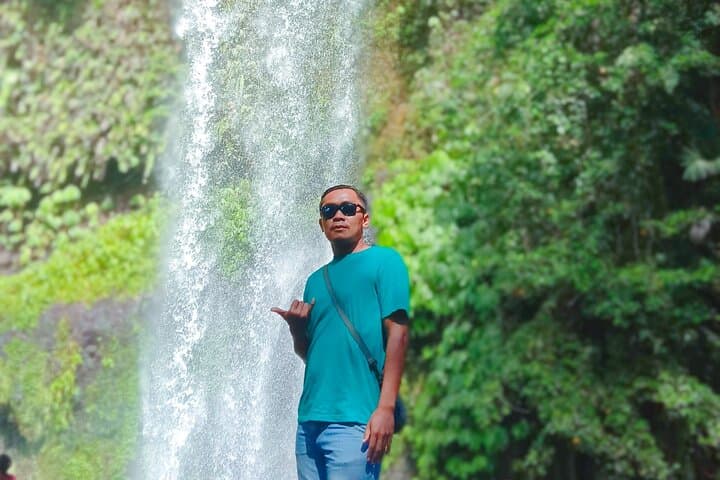
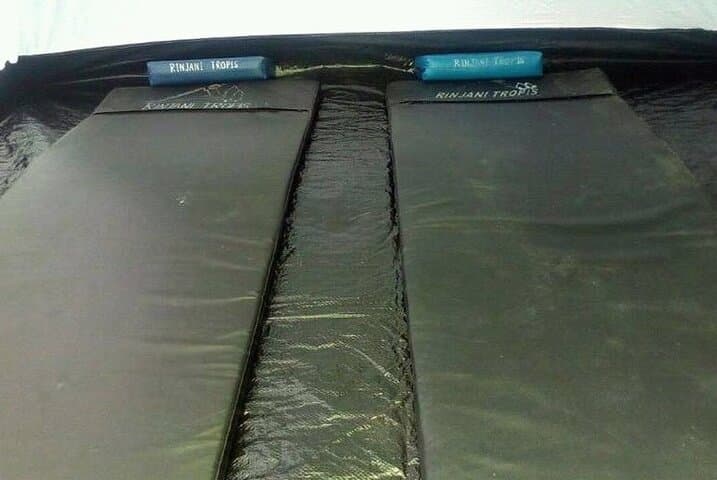
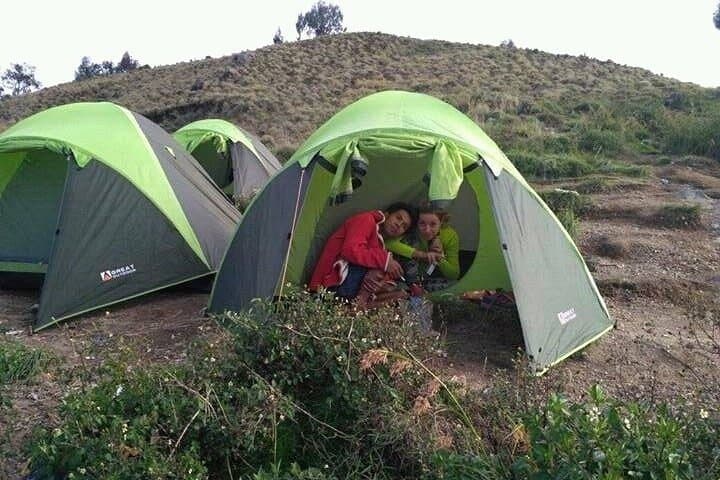
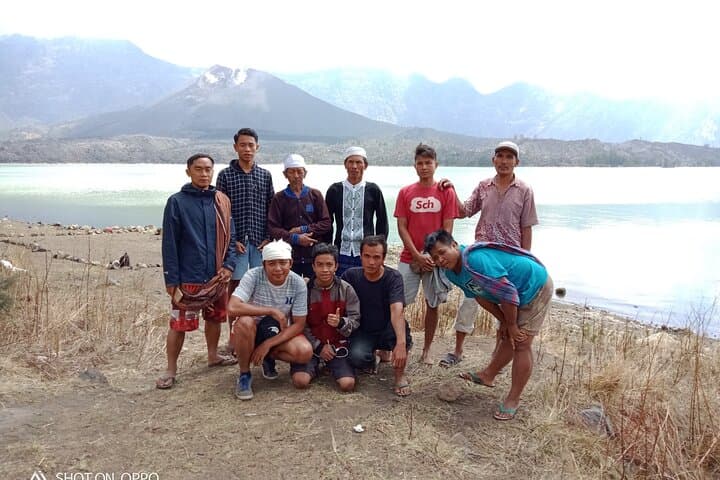
You wake before dawn, headlamp bobbing through a pine-scrub ridge as cool mountain air pushes against your jacket. By the time the sky clarifies, the rim opens: Segara Anak lake sits low and glassy inside a black caldera, and the three Gili islands puncture the blue beyond Lombok’s coast. The hike to Senaru Crater Rim moves from jungle track to rocky switchbacks, then to loose volcanic scree that demands steady footing.
You wake before dawn, headlamp bobbing through a pine-scrub ridge as cool mountain air pushes against your jacket. By the time the sky clarifies, the rim opens: Segara Anak lake sits low and glassy inside a black caldera, and the three Gili islands puncture the blue beyond Lombok’s coast. The hike to Senaru Crater Rim moves from jungle track to rocky switchbacks, then to loose volcanic scree that demands steady footing.
Geology and history anchor the route — Mount Rinjani is an active stratovolcano whose repeated collapses created the deep caldera and the sacred Segara Anak. The volcano shapes local culture: Sasak rituals still honor the lake and its edges, and traditional villages such as Senaru act as gateways for guided treks. Expect porter-run camps and simple communal meals; this is trekking organized and social rather than fully self-supported.
Practically, the afternoon ascent from POS 3 to the rim takes roughly 3–4 hours over uneven terrain; the descent is longer and can take 6–9 hours back to Senaru. Guides handle permits and camp logistics, but you must be prepared for steep sections, variable weather, and limited toilet facilities. Hydrate, pace the climb, and carry layers — temperatures swing from humid lowland warmth to near-freezing at the rim pre-dawn. Sunrise is the payoff: a broad, clear vista and the quiet of a caldera morning.
Book in the dry season for firmer trails, bring cash for tips and small purchases in Senaru, and allow an extra day in your itinerary for transport or weather delays.