THE ADVENTURE COLLECTIVE® · Independent discovery and booking for outdoor travel

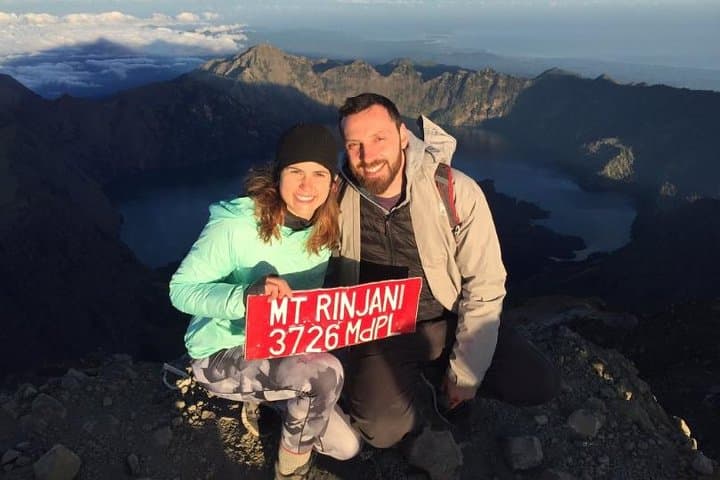
Summit Mount Rinjani in two days via the Sembalun route: a steep, rewarding ascent that moves from open meadows to a crater-rim camp and a pre-dawn summit at 3,726 m. This guide covers what to expect on terrain, timing, gear and local logistics.
Summit Mount Rinjani in two days via the Sembalun route: a steep, rewarding ascent that moves from open meadows to a crater-rim camp and a pre-dawn summit at 3,726 m. This guide covers what to expect on terrain, timing, gear and local logistics.
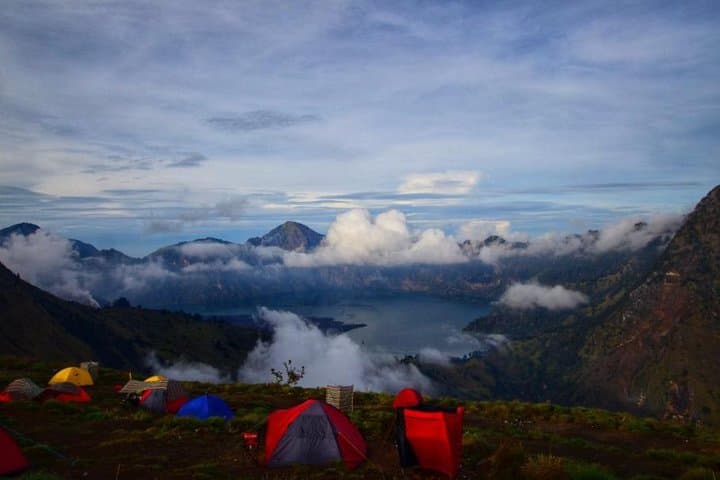
A thin band of stars slips away as climbers file out of the crater rim camp and onto a trail of scree, headlamps bobbing like patient fireflies. On the Sembalun route up Mount Rinjani, the landscape opens from grassy meadows into a raw volcanic spine; wind and rock set the pace and the mountain demands steady breathing.
Verified experiences and guided adventures in the surrounding area.
Operated by Em Adventure · Sembalun Lawang, West Nusa Tenggara
A thin band of stars slips away as climbers file out of the crater rim camp and onto a trail of scree, headlamps bobbing like patient fireflies. On the Sembalun route up Mount Rinjani, the landscape opens from grassy meadows into a raw volcanic spine; wind and rock set the pace and the mountain demands steady breathing.
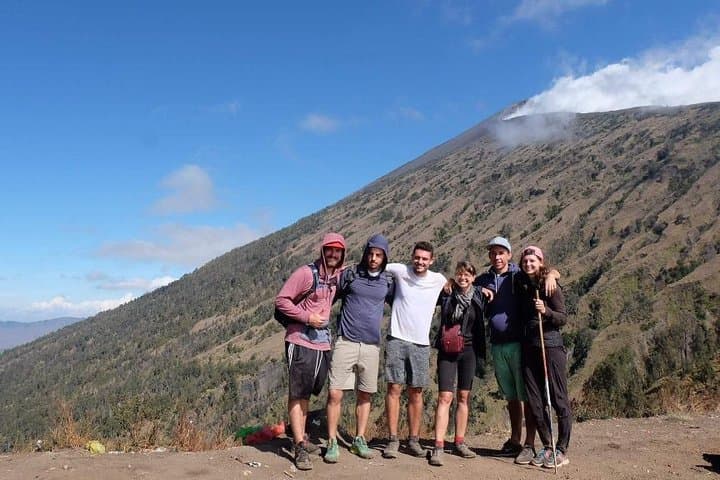
Rinjani is Indonesia’s second-highest volcano and holds an alpine caldera carved by eruptions and time. The Sembalun approach crosses former lava flows and grassland used for seasonal grazing; local Sasak villages at the trailhead keep cultural ties to the mountain through ritual and everyday life. Geology is visible underfoot—ash, tufa and loose volcanic scree that requires careful footing as elevation climbs.
Practical details are straightforward: the standard itinerary runs two days with an overnight on the crater rim and a pre-dawn summit push to 3,726 m. Expect roughly 20–24 km round-trip and 2,000–2,600 m cumulative elevation gain depending on your start point. The tour provides tents, sleeping bags, mats and porters; National Park permits and an entrance fee (about 150,000 IDR/day) are included.
Plan for cold nights (near freezing at rim), steep sections of scree on the final approach, and a 2:00–3:00 am wake for the summit push. Hydrate, layer for rapid temperature swings, and use trekking poles for descents. Weather can change quickly during the wet season; choose the dry months for more reliable trails and clearer summit views.
challenging.
12–16 hours (2 days total).
High aerobic fitness and experience with long uphill days; comfortable carrying a daypack and walking on loose scree.
The summit day starts before dawn and includes steep, sustained climbing with a final loose-scree section—expect 3–5 hours up depending on fitness and pace.
Yes, the operator includes National Park entrance fees (approx. 150,000 IDR/day) in the package price.
Yes—tents, sleeping bags, mats, a toilet tent and pillows are supplied by the tour operator.
Rinjani reaches 3,726 m; symptoms of altitude sickness can occur. Hydrate, go at a steady pace, and inform guides of headaches, dizziness, or nausea immediately.
Rinjani sits within Gunung Rinjani National Park and holds spiritual significance for local Sasak and Balinese communities; the caldera and Lake Segara Anak are central to regional myths and ceremonies.
The National Park enforces permits and guide requirements to limit impact; stick to established trails, pack out waste, and respect local cultural sites to reduce footprint.
Em Adventure operates guided outdoor trips and adventures with an emphasis on safety, stewardship, and memorable experiences.
A thin band of stars slips away as climbers file out of the crater rim camp and onto a trail of scree, headlamps bobbing like patient fireflies. On the Sembalun route up Mount Rinjani, the landscape opens from grassy meadows into a raw volcanic spine; wind and rock set the pace and the mountain demands steady breathing.
A thin band of stars slips away as climbers file out of the crater rim camp and onto a trail of scree, headlamps bobbing like patient fireflies. On the Sembalun route up Mount Rinjani, the landscape opens from grassy meadows into a raw volcanic spine; wind and rock set the pace and the mountain demands steady breathing.
Rinjani is Indonesia’s second-highest volcano and holds an alpine caldera carved by eruptions and time. The Sembalun approach crosses former lava flows and grassland used for seasonal grazing; local Sasak villages at the trailhead keep cultural ties to the mountain through ritual and everyday life. Geology is visible underfoot—ash, tufa and loose volcanic scree that requires careful footing as elevation climbs.
Practical details are straightforward: the standard itinerary runs two days with an overnight on the crater rim and a pre-dawn summit push to 3,726 m. Expect roughly 20–24 km round-trip and 2,000–2,600 m cumulative elevation gain depending on your start point. The tour provides tents, sleeping bags, mats and porters; National Park permits and an entrance fee (about 150,000 IDR/day) are included.
Plan for cold nights (near freezing at rim), steep sections of scree on the final approach, and a 2:00–3:00 am wake for the summit push. Hydrate, layer for rapid temperature swings, and use trekking poles for descents. Weather can change quickly during the wet season; choose the dry months for more reliable trails and clearer summit views.