THE ADVENTURE COLLECTIVE® · Independent discovery and booking for outdoor travel

A sharp, two‑day push from Sembalun to the 3,726 m summit of Mount Rinjani—expect steep switchbacks, volcanic scree and a pre‑dawn summit ascent. This guide covers what to expect, local context and practical tips to make the condensed trek safe and rewarding.
A sharp, two‑day push from Sembalun to the 3,726 m summit of Mount Rinjani—expect steep switchbacks, volcanic scree and a pre‑dawn summit ascent. This guide covers what to expect, local context and practical tips to make the condensed trek safe and rewarding.
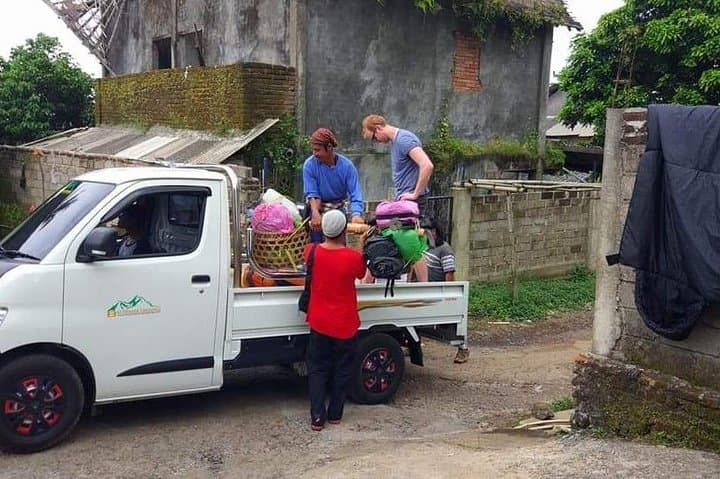
Mist hangs low over the Sembalun plain as porters tighten tent guylines and the village slumps into pre-dawn quiet. You set off from Sembalun Village (≈1,150 m), the path first threading coffee terraces and tall alang‑alang grass before climbing into forest and then the raw, open slopes that lead to Rinjani’s rim. The mountain demands steady breathing; on a condensed 2‑day schedule you push hard to reach the crater rim on day one and the summit (3,726 m) in an alpine dawn assault.
Verified experiences and guided adventures in the surrounding area.
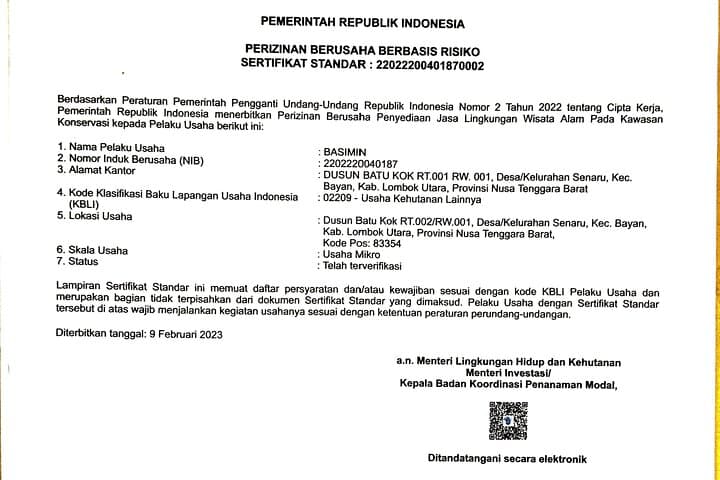
Operated by Bas Rinjani · Sembalun, West Nusa Tenggara
Mist hangs low over the Sembalun plain as porters tighten tent guylines and the village slumps into pre-dawn quiet. You set off from Sembalun Village (≈1,150 m), the path first threading coffee terraces and tall alang‑alang grass before climbing into forest and then the raw, open slopes that lead to Rinjani’s rim. The mountain demands steady breathing; on a condensed 2‑day schedule you push hard to reach the crater rim on day one and the summit (3,726 m) in an alpine dawn assault.
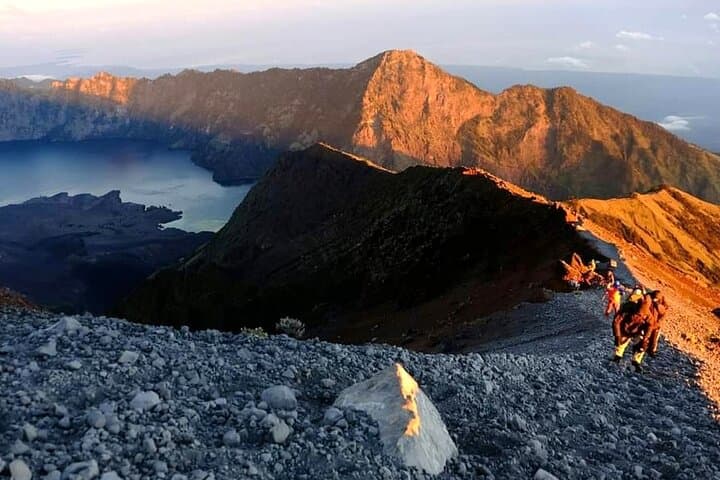
Geology and culture shape every step. Rinjani is an active stratovolcano with a vast caldera that holds Segara Anak, a crater lake locals consider sacred. The Sembalun corridor crosses volcanic scree and hardened lava flows, then broad ridgelines formed by repeated eruptions. Sasak and Balinese traditions still mark the mountain with offerings; guides often explain local rituals and the lake’s spiritual role.
Expect roughly 20–26 km round‑trip with ~2,500–2,600 m total elevation gain from Sembalun to summit and back; terrain ranges from packed jungle trails to loose volcanic scree and exposed ridgelines. Overnight camping on the crater rim or saddle is standard—tents, hot meals and a portable toilet are usually provided.
Practical notes: start very early for the summit push, hydrate and manage pace to reduce altitude effects, and travel with licensed guides and porters. Footwear with firm ankle support, layered warm clothes for night and summit, and a headlamp for pre‑dawn movement are essential. With planning and respect for local rules, a compressed 2‑day Sembalun ascent is a demanding but achievable way to stand on Rinjani’s peak and look into the caldera below.
challenging.
2 days (14–18 hours moving total).
Good aerobic base and experience with multi‑day hiking at altitude; comfortable with long ascents and carrying a daypack.
It’s demanding: steep, sustained elevation gain and an early summit push. Good fitness and some high‑altitude trekking experience are recommended.
Yes—Rinjani National Park requires registered guides; porters are common and useful for carrying tents and heavier gear on a fast itinerary.
The dry season (May–September) offers the most stable conditions; outside that window expect heavier rain and slipperier trails.
Yes—symptoms can appear quickly at >2,500 m; hydrate, move slowly, and descend if severe symptoms develop.
Rinjani’s caldera and Segara Anak lake have long spiritual significance for Sasak and Balinese communities; pilgrimage rituals occasionally take place around the crater lake.
Rinjani National Park enforces permits and regulated camping; minimize impact by packing out waste, using licensed guides and avoiding campfires outside designated areas.
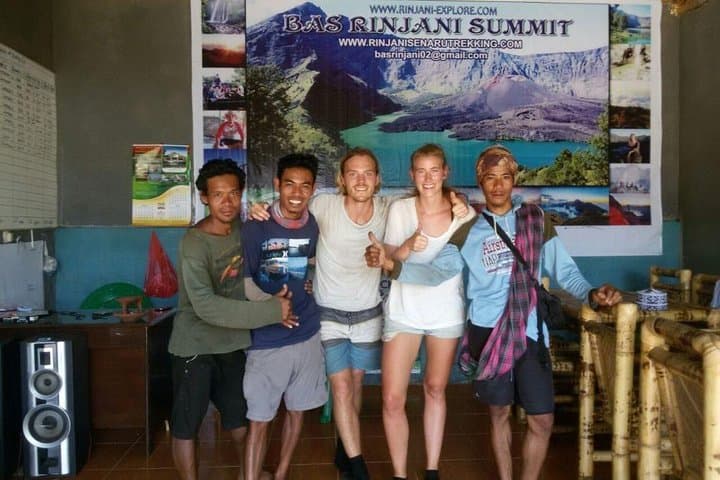
Bas Rinjani operates guided outdoor trips and adventures with an emphasis on safety, stewardship, and memorable experiences.
Mist hangs low over the Sembalun plain as porters tighten tent guylines and the village slumps into pre-dawn quiet. You set off from Sembalun Village (≈1,150 m), the path first threading coffee terraces and tall alang‑alang grass before climbing into forest and then the raw, open slopes that lead to Rinjani’s rim. The mountain demands steady breathing; on a condensed 2‑day schedule you push hard to reach the crater rim on day one and the summit (3,726 m) in an alpine dawn assault.
Mist hangs low over the Sembalun plain as porters tighten tent guylines and the village slumps into pre-dawn quiet. You set off from Sembalun Village (≈1,150 m), the path first threading coffee terraces and tall alang‑alang grass before climbing into forest and then the raw, open slopes that lead to Rinjani’s rim. The mountain demands steady breathing; on a condensed 2‑day schedule you push hard to reach the crater rim on day one and the summit (3,726 m) in an alpine dawn assault.
Geology and culture shape every step. Rinjani is an active stratovolcano with a vast caldera that holds Segara Anak, a crater lake locals consider sacred. The Sembalun corridor crosses volcanic scree and hardened lava flows, then broad ridgelines formed by repeated eruptions. Sasak and Balinese traditions still mark the mountain with offerings; guides often explain local rituals and the lake’s spiritual role.
Expect roughly 20–26 km round‑trip with ~2,500–2,600 m total elevation gain from Sembalun to summit and back; terrain ranges from packed jungle trails to loose volcanic scree and exposed ridgelines. Overnight camping on the crater rim or saddle is standard—tents, hot meals and a portable toilet are usually provided.
Practical notes: start very early for the summit push, hydrate and manage pace to reduce altitude effects, and travel with licensed guides and porters. Footwear with firm ankle support, layered warm clothes for night and summit, and a headlamp for pre‑dawn movement are essential. With planning and respect for local rules, a compressed 2‑day Sembalun ascent is a demanding but achievable way to stand on Rinjani’s peak and look into the caldera below.