THE ADVENTURE COLLECTIVE® · Independent discovery and booking for outdoor travel

Climb overnight from Sembalun village to Mount Rinjani’s 3,726m summit in two days, camping on the crater rim and watching a dramatic sunrise over Lombok and neighboring islands. This compact summit-focused trek combines steep volcanic slopes, open meadows and a pre-dawn ascent that rewards fitness and planning.
Climb overnight from Sembalun village to Mount Rinjani’s 3,726m summit in two days, camping on the crater rim and watching a dramatic sunrise over Lombok and neighboring islands. This compact summit-focused trek combines steep volcanic slopes, open meadows and a pre-dawn ascent that rewards fitness and planning.
Dawn on Lombok is cool and thin at altitude; you stand on a crater rim where the sky brightens first and islands appear like scattered coins in the sea. The Rinjani Summit 2D/1N trek moves from wide, sun‑dried savanna into steep volcanic scree, a night under stars, then a pre‑dawn push to 3,726 m for sunrise that opens Bali, Sumbawa and the green dip of Segara Anak below.
Verified experiences and guided adventures in the surrounding area.
Operated by Jou Trekking · Senaru, West Nusa Tenggara
Dawn on Lombok is cool and thin at altitude; you stand on a crater rim where the sky brightens first and islands appear like scattered coins in the sea. The Rinjani Summit 2D/1N trek moves from wide, sun‑dried savanna into steep volcanic scree, a night under stars, then a pre‑dawn push to 3,726 m for sunrise that opens Bali, Sumbawa and the green dip of Segara Anak below.
Geology and history shape every step. Rinjani is an active stratovolcano carved by caldera collapse; the crater lake Segara Anak sits in a younger caldera within the larger cone. Local Sasak communities surround the mountain, and traditional farming villages such as Sembalun and Senaru have long used seasonal pasturelands on the lower slopes.
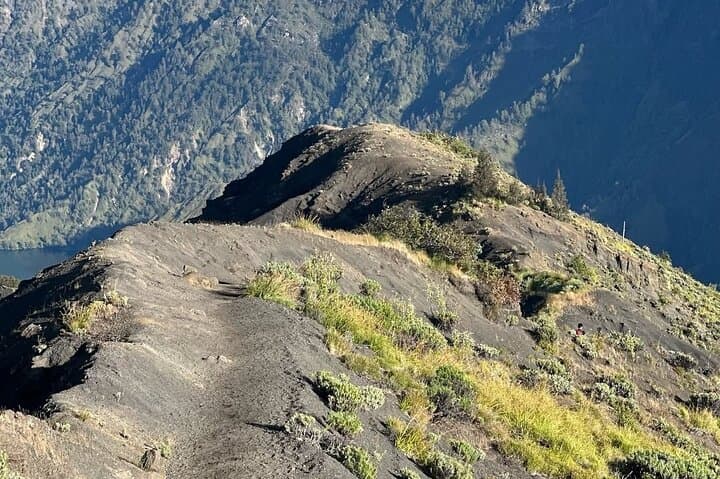
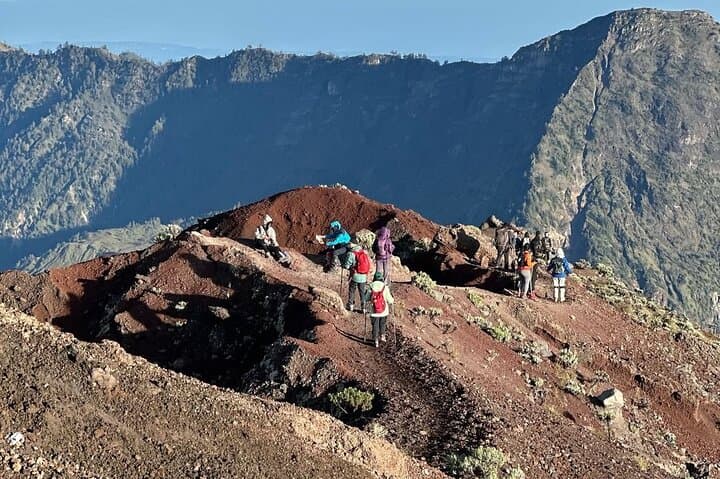
Expect mixed terrain: open meadows, hardpacked soil, volcanic scree and exposed ridges. The itinerary climbs steadily—posts at roughly 1,300m, 1,500m and 1,800m—then up to the crater rim and summit, with total elevation gain on the Sembalun route of about 2,500–2,600 m and a roundtrip hiking distance commonly in the mid‑teens of kilometers.
Practically: move light but prepared. A night camp on the rim includes tent, sleeping system and hot meals provided by guides and porters; the summit push starts around 02:00–03:00. Hydrate, layer for wind and cold at high altitude, and be ready for steep sections of loose rock. If you have cardiovascular limits, consider acclimation days; guides manage logistics and permits, but personal fitness is the decisive factor for summit success.
challenging.
2 days (approx. 24–30 hours; ~16–20 km roundtrip).
Requires good cardiovascular fitness, strong legs and experience with sustained uphill hiking at altitude
The summit climb is steep and technical in sections with loose volcanic scree; expect 3–4 hours from the rim and need for steady pacing and basic scrambling ability.
Yes—tents, sleeping bags, mattresses and three meals (dinner, breakfast, lunch) are usually provided by the operator; porters handle cooking gear.
The dry season (roughly June–September) offers more stable conditions and clearer summit views; avoid the monsoon months (Dec–Feb) when trails become slippery and visibility drops.
Guides and porters are required in many areas around Rinjani; operators manage permits and logistics—book with a licensed trekking company for safety and local compliance.
Rinjani’s caldera formed from massive eruptions; local Sasak and Balinese cultural practices include seasonal offerings and pilgrimage rites near the mountain.
Heavy foot traffic and campfires impact fragile alpine soils—use established campsites, avoid open fires and follow guide instructions to limit erosion and waste.
Jou Trekking operates guided outdoor trips and adventures with an emphasis on safety, stewardship, and memorable experiences.
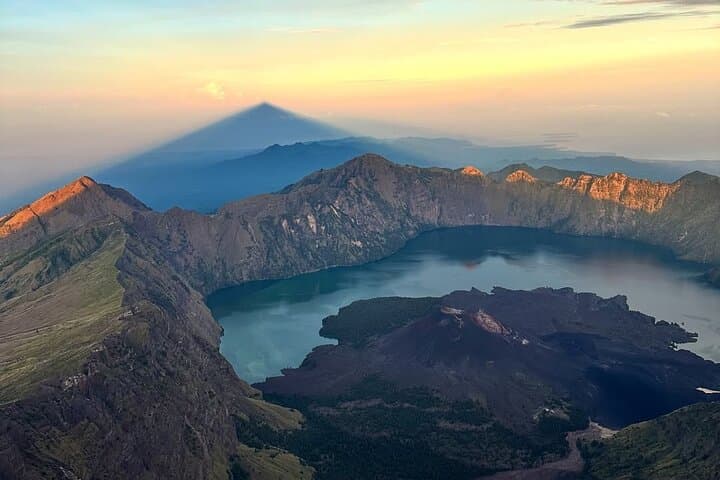
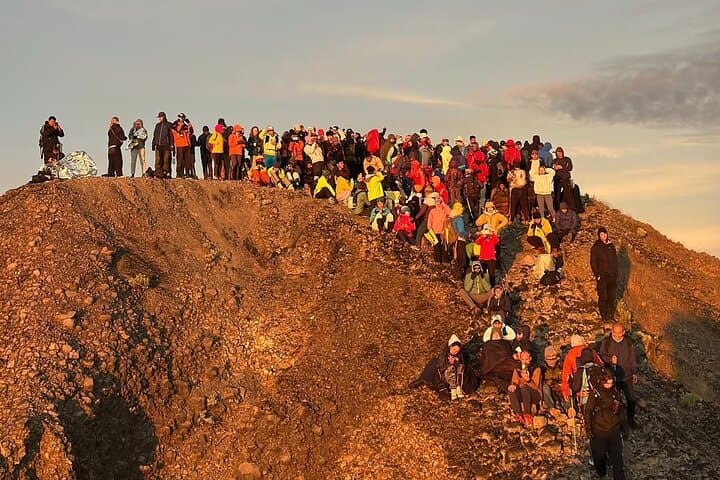
Dawn on Lombok is cool and thin at altitude; you stand on a crater rim where the sky brightens first and islands appear like scattered coins in the sea. The Rinjani Summit 2D/1N trek moves from wide, sun‑dried savanna into steep volcanic scree, a night under stars, then a pre‑dawn push to 3,726 m for sunrise that opens Bali, Sumbawa and the green dip of Segara Anak below.
Dawn on Lombok is cool and thin at altitude; you stand on a crater rim where the sky brightens first and islands appear like scattered coins in the sea. The Rinjani Summit 2D/1N trek moves from wide, sun‑dried savanna into steep volcanic scree, a night under stars, then a pre‑dawn push to 3,726 m for sunrise that opens Bali, Sumbawa and the green dip of Segara Anak below.
Geology and history shape every step. Rinjani is an active stratovolcano carved by caldera collapse; the crater lake Segara Anak sits in a younger caldera within the larger cone. Local Sasak communities surround the mountain, and traditional farming villages such as Sembalun and Senaru have long used seasonal pasturelands on the lower slopes.
Expect mixed terrain: open meadows, hardpacked soil, volcanic scree and exposed ridges. The itinerary climbs steadily—posts at roughly 1,300m, 1,500m and 1,800m—then up to the crater rim and summit, with total elevation gain on the Sembalun route of about 2,500–2,600 m and a roundtrip hiking distance commonly in the mid‑teens of kilometers.
Practically: move light but prepared. A night camp on the rim includes tent, sleeping system and hot meals provided by guides and porters; the summit push starts around 02:00–03:00. Hydrate, layer for wind and cold at high altitude, and be ready for steep sections of loose rock. If you have cardiovascular limits, consider acclimation days; guides manage logistics and permits, but personal fitness is the decisive factor for summit success.