THE ADVENTURE COLLECTIVE® · Independent discovery and booking for outdoor travel

A demanding single-day trek from Senaru to the Rinjani crater rim that rewards stamina with dramatic volcanic views. Ideal for experienced hikers who can handle steep, uneven terrain and long hours on trail.
A demanding single-day trek from Senaru to the Rinjani crater rim that rewards stamina with dramatic volcanic views. Ideal for experienced hikers who can handle steep, uneven terrain and long hours on trail.
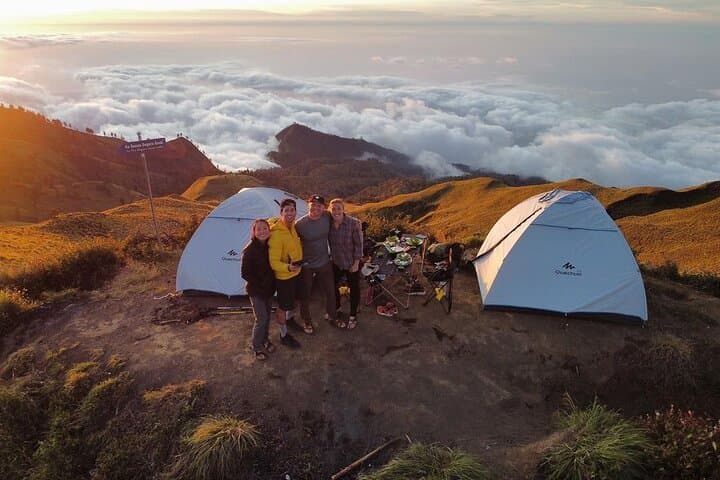
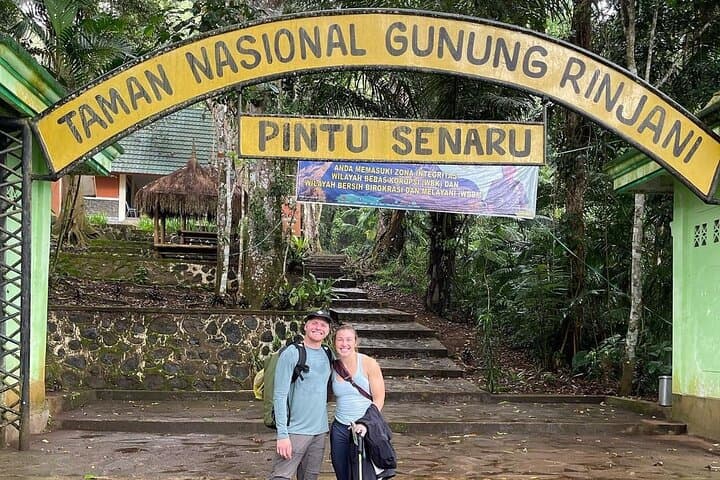
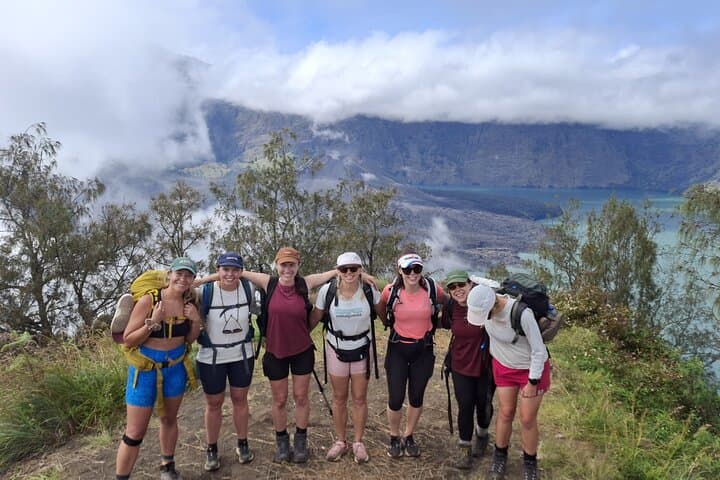
Fog lifts off the jungle as a group threads a steep switchback above Senaru, sunlight breaking through tall casuarina and eucalyptus like a signal. The trail, narrow and often rocky, forces you to set a steady pace—breath, foot, breath—until the forest opens and the crater rim drops away beneath you: a raw bowl of volcanic rock and the distant blue of Segara Anak lake.
Verified experiences and guided adventures in the surrounding area.
Operated by Lombok Volcano Trekking · Senaru, West Nusa Tenggara
Fog lifts off the jungle as a group threads a steep switchback above Senaru, sunlight breaking through tall casuarina and eucalyptus like a signal. The trail, narrow and often rocky, forces you to set a steady pace—breath, foot, breath—until the forest opens and the crater rim drops away beneath you: a raw bowl of volcanic rock and the distant blue of Segara Anak lake.
Gunung Rinjani is the second-highest volcano in Indonesia and part of a UNESCO-recognized geopark; the Senaru route follows livestock paths and older pilgrimage ways used by Sasak villagers for generations. Geologically, the rim is a collapsed caldera edge carved by repeated eruptions; erosion and tropical rains make the terrain loose in places. Culturally, Senaru village retains Sasak traditions and serves as the staging point for treks and local guides who know the microclimates of the slopes.
Practically, this is a full-day, physically demanding trek: expect 10–11 hours, steep ascents and technical footing on scree and exposed ridgelines. Start early to avoid afternoon weather and heat; bring layered clothing, sun and rain protection, and a guide familiar with the park’s permit process. Hydrate frequently and use trekking poles for knee relief on the descent. Respect park rules—pack out waste and support local porters when possible. The reward is raw volcanic scenery and a viewpoint few see in a single day: the crater’s lip, the lake far below, and Lombok’s coastal outline on the horizon.
challenging.
10–11 hours.
Recommend high aerobic fitness and strong leg endurance; experience with sustained elevation gain and rocky descents required
No; the one-day Senaru rim trek is physically demanding with steep gradients and technical footing—experienced hikers only.
The dry season (roughly May–September) offers more stable weather and clearer views; avoid heavy rain months when trails become slippery.
Gate fees and permits to enter Gunung Rinjani National Park are enforced; hiring a registered local guide is strongly recommended for safety and logistics.
Expect sustained ascent and descent over several hundred to over a thousand meters depending on the exact start point; the route is strenuous and long in duration.
Rinjani’s caldera formed through massive eruptions; the volcano and its lake have cultural significance to local Sasak and Balinese communities and are part of a protected geopark.
Trekking is regulated by the national park—use registered guides, keep to trails, pack out all waste, and support local porters to reduce environmental and social impact.
Lombok Volcano Trekking operates guided outdoor trips and adventures with an emphasis on safety, stewardship, and memorable experiences.

Fog lifts off the jungle as a group threads a steep switchback above Senaru, sunlight breaking through tall casuarina and eucalyptus like a signal. The trail, narrow and often rocky, forces you to set a steady pace—breath, foot, breath—until the forest opens and the crater rim drops away beneath you: a raw bowl of volcanic rock and the distant blue of Segara Anak lake.
Fog lifts off the jungle as a group threads a steep switchback above Senaru, sunlight breaking through tall casuarina and eucalyptus like a signal. The trail, narrow and often rocky, forces you to set a steady pace—breath, foot, breath—until the forest opens and the crater rim drops away beneath you: a raw bowl of volcanic rock and the distant blue of Segara Anak lake.
Gunung Rinjani is the second-highest volcano in Indonesia and part of a UNESCO-recognized geopark; the Senaru route follows livestock paths and older pilgrimage ways used by Sasak villagers for generations. Geologically, the rim is a collapsed caldera edge carved by repeated eruptions; erosion and tropical rains make the terrain loose in places. Culturally, Senaru village retains Sasak traditions and serves as the staging point for treks and local guides who know the microclimates of the slopes.
Practically, this is a full-day, physically demanding trek: expect 10–11 hours, steep ascents and technical footing on scree and exposed ridgelines. Start early to avoid afternoon weather and heat; bring layered clothing, sun and rain protection, and a guide familiar with the park’s permit process. Hydrate frequently and use trekking poles for knee relief on the descent. Respect park rules—pack out waste and support local porters when possible. The reward is raw volcanic scenery and a viewpoint few see in a single day: the crater’s lip, the lake far below, and Lombok’s coastal outline on the horizon.