THE ADVENTURE COLLECTIVE® · Independent discovery and booking for outdoor travel

Experience Muay Thai ringside on a Sunday with a local expert who explains technique, history, and culture as the action unfolds. Arrive early, bring cash, and expect an intense, noisy afternoon that blends ritual with raw athleticism.
Experience Muay Thai ringside on a Sunday with a local expert who explains technique, history, and culture as the action unfolds. Arrive early, bring cash, and expect an intense, noisy afternoon that blends ritual with raw athleticism.
The crowd leans forward as gloves clash and the bell cuts through warm Bangkok air — you’re seated at ringside, the mat close enough to feel the fighters’ breath and the slap of punches. Afternoon light filters through the stadium vents; vendors call out pad thai and cold drinks between rounds. Your local expert translates corner talk, explains scoring, and points out the subtle hip checks and clinch tactics that make Muay Thai distinct.
Verified experiences and guided adventures in the surrounding area.
Operated by Jekky & Meow Tour Guide · Bangkok, Bangkok
The crowd leans forward as gloves clash and the bell cuts through warm Bangkok air — you’re seated at ringside, the mat close enough to feel the fighters’ breath and the slap of punches. Afternoon light filters through the stadium vents; vendors call out pad thai and cold drinks between rounds. Your local expert translates corner talk, explains scoring, and points out the subtle hip checks and clinch tactics that make Muay Thai distinct.
Muay Thai evolved from regional battlefield arts into Thailand’s national sport over centuries, then into regulated competition in the 20th century. Bangkok’s stadiums sit on a low Chao Phraya floodplain; the city’s flat geography and heat shape the pace and timing of events — expect humid afternoons and lively street scenes afterward.
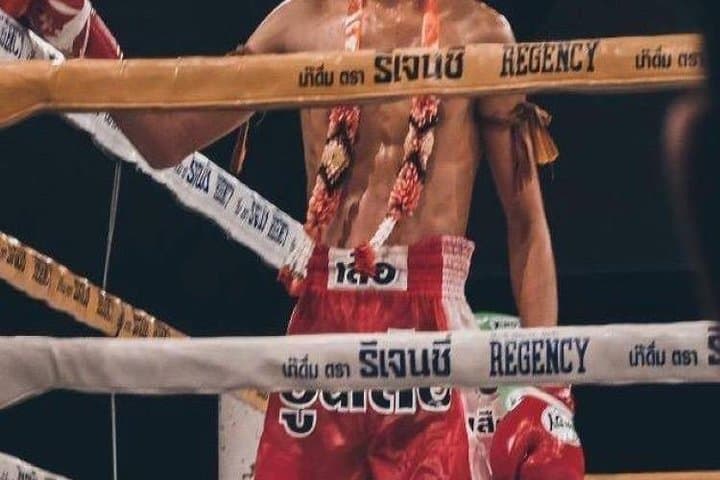
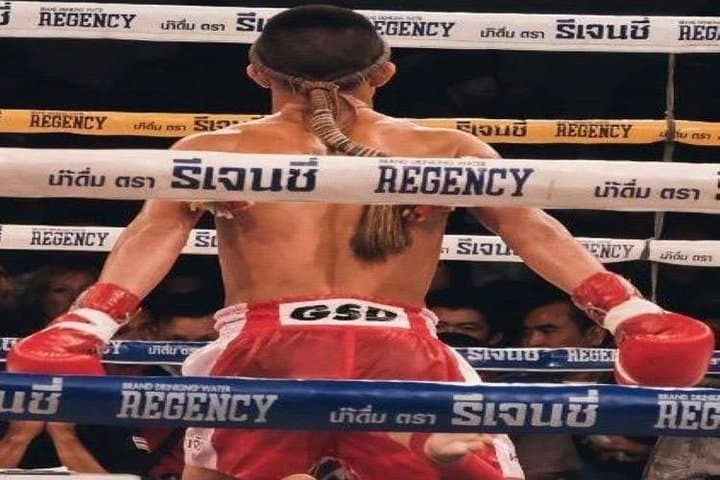
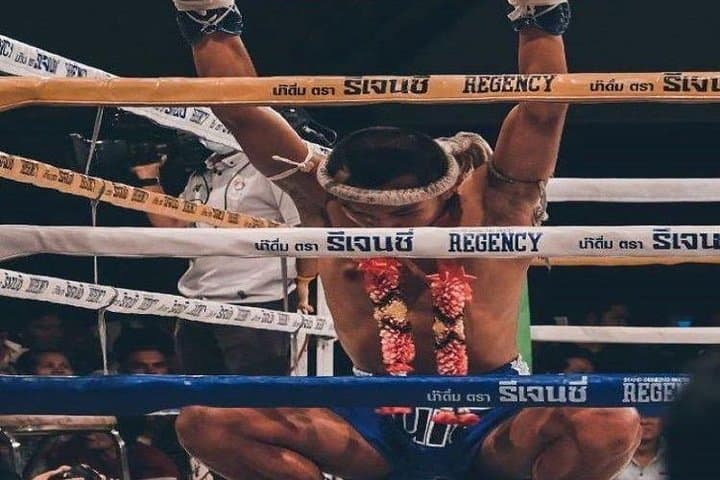
Culturally, a fight night mixes ritual (wai khru dance) with modern entertainment; you’ll see trainers’ respect for tradition and a local betting culture that’s part social glue. Your guide’s context — fighter backgrounds, stylistic differences, and what to watch each round — turns fast, noisy action into a readable narrative.
Practical notes: arrive early to soak in pre-fight rituals and food stalls, bring cash for concessions and souvenirs, and wear lightweight, respectful clothing; stadiums often have simple security checks. If you need mobility access, check the venue in advance — many stadiums offer accessible seating but layouts vary. Expect intense noise and close quarters; ear protection and hydration make the experience more comfortable. Leave with a clearer sense of Thailand’s living combat art and a handful of stories worth retelling.
easy.
3–4 hours.
Minimal fitness required—spectators should be able to manage stairs and short walks.
Children can attend but fights are combative and intense; parents should assess sensitivity to violence and bring ear protection.
Photography is usually allowed for personal use but flash and professional equipment may be restricted—follow venue rules and your guide’s advice.
Most central Bangkok stadiums are accessible by taxi, MRT/BTS plus a short taxi, or app-based transport; confirm the exact venue address beforehand.
Yes—expect street-food vendors and small concession stands selling snacks, drinks, and local dishes; cash is often preferred.
Muay Thai developed over centuries from military hand-to-hand combat into a codified sport in the 19th–20th centuries; modern stadiums like Rajadamnern and Lumpinee professionalized the sport in the 20th century.
Be mindful of single-use plastics at events and support legitimate local gyms and fighter welfare initiatives by buying official merchandise or donating through stadium programs.
Jekky & Meow Tour Guide operates guided outdoor trips and adventures with an emphasis on safety, stewardship, and memorable experiences.
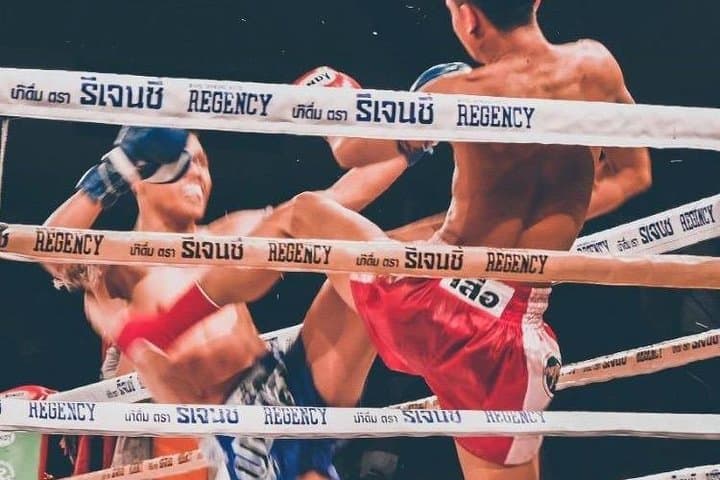
The crowd leans forward as gloves clash and the bell cuts through warm Bangkok air — you’re seated at ringside, the mat close enough to feel the fighters’ breath and the slap of punches. Afternoon light filters through the stadium vents; vendors call out pad thai and cold drinks between rounds. Your local expert translates corner talk, explains scoring, and points out the subtle hip checks and clinch tactics that make Muay Thai distinct.
The crowd leans forward as gloves clash and the bell cuts through warm Bangkok air — you’re seated at ringside, the mat close enough to feel the fighters’ breath and the slap of punches. Afternoon light filters through the stadium vents; vendors call out pad thai and cold drinks between rounds. Your local expert translates corner talk, explains scoring, and points out the subtle hip checks and clinch tactics that make Muay Thai distinct.
Muay Thai evolved from regional battlefield arts into Thailand’s national sport over centuries, then into regulated competition in the 20th century. Bangkok’s stadiums sit on a low Chao Phraya floodplain; the city’s flat geography and heat shape the pace and timing of events — expect humid afternoons and lively street scenes afterward.
Culturally, a fight night mixes ritual (wai khru dance) with modern entertainment; you’ll see trainers’ respect for tradition and a local betting culture that’s part social glue. Your guide’s context — fighter backgrounds, stylistic differences, and what to watch each round — turns fast, noisy action into a readable narrative.
Practical notes: arrive early to soak in pre-fight rituals and food stalls, bring cash for concessions and souvenirs, and wear lightweight, respectful clothing; stadiums often have simple security checks. If you need mobility access, check the venue in advance — many stadiums offer accessible seating but layouts vary. Expect intense noise and close quarters; ear protection and hydration make the experience more comfortable. Leave with a clearer sense of Thailand’s living combat art and a handful of stories worth retelling.