THE ADVENTURE COLLECTIVE® · Independent discovery and booking for outdoor travel

Steam curls from mud pots while trails push from dry forest into cloud-soaked gullies. This guide outlines what to expect on a 3–4 hour visit to Rincón de la Vieja’s Las Pailas and Santa María sectors, including trail difficulty, practical logistics and how to make the most of volcanic and waterfall highlights.
Steam curls from mud pots while trails push from dry forest into cloud-soaked gullies. This guide outlines what to expect on a 3–4 hour visit to Rincón de la Vieja’s Las Pailas and Santa María sectors, including trail difficulty, practical logistics and how to make the most of volcanic and waterfall highlights.
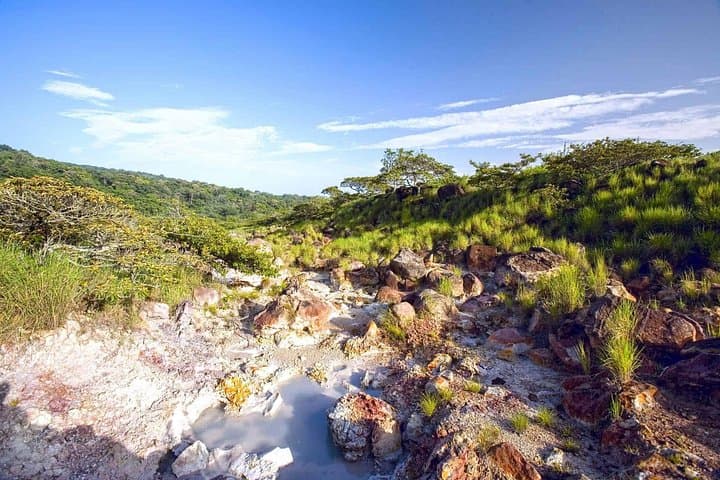
You step from the car into a cooling mix of sulfur and green: steam hisses from fumaroles, cicadas thrum in the dry forest, and a breeze carries the distant rumble of boiling mud. Trails fork through thin-leaved guapinol and into stands of laurel where the air feels cooler and the canopy closes in.
Verified experiences and guided adventures in the surrounding area.
Operated by Tico Paradise Costa Rica · Rincón de la Vieja National Park, Guanacaste
You step from the car into a cooling mix of sulfur and green: steam hisses from fumaroles, cicadas thrum in the dry forest, and a breeze carries the distant rumble of boiling mud. Trails fork through thin-leaved guapinol and into stands of laurel where the air feels cooler and the canopy closes in.
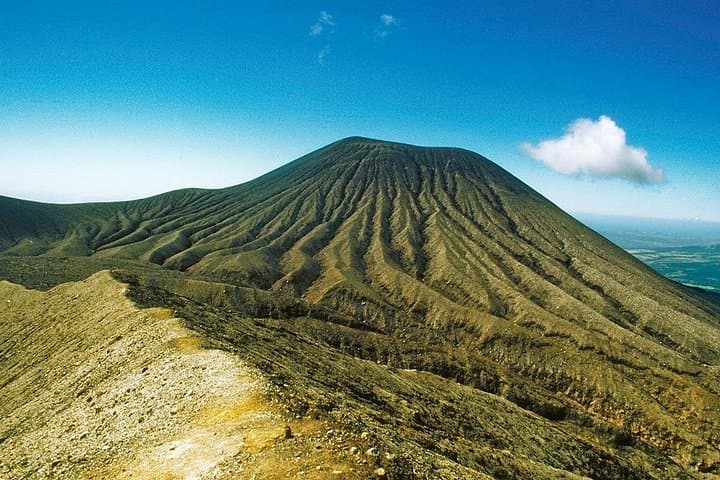
Rincón de la Vieja is built around an active stratovolcano and its broad complex of craters. Geology here is immediate — steaming pailas (mud pots), hot springs and sulfur vents reveal volcanic processes, while erosion has sculpted waterfalls like La Cangreja. The park’s two main sectors, Las Pailas and Santa María, show contrasts: Las Pailas exposes raw volcanic features and steeper trails, Santa María threads older forests and bathing pools.
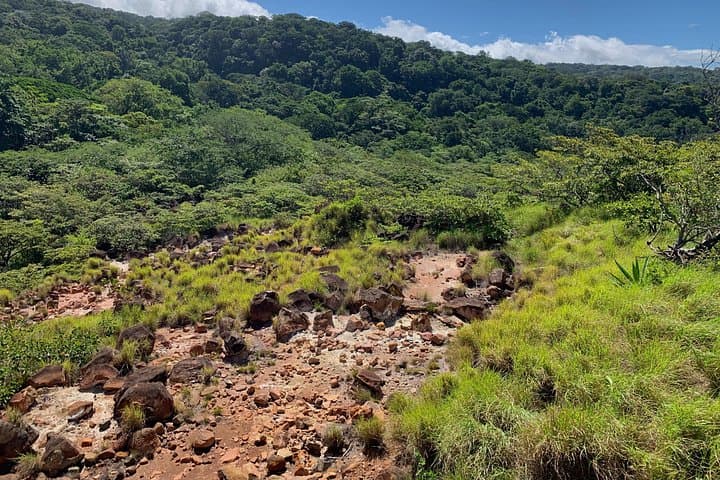
Local culture leans rural Guanacaste—ranching traditions, Costa Rican “soda” food stops, and a conservation ethos that protects water sources flowing toward the Pacific. Visitors will pass through dry, wet, humid and cloud forest sections in short distances, sampling different ecosystems in a single visit.
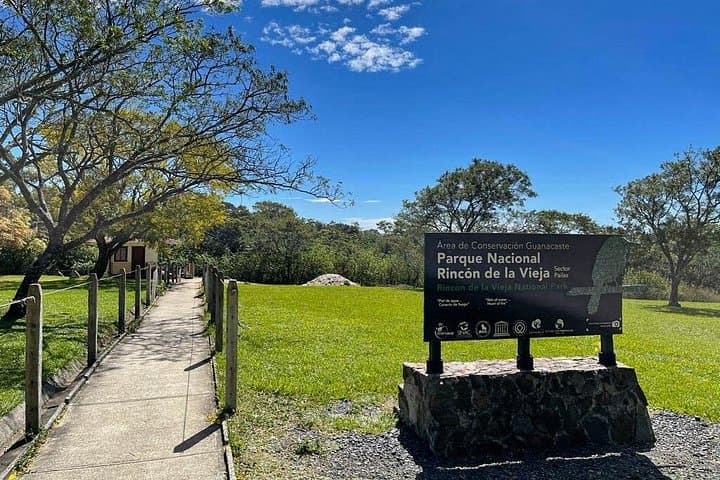
Practical guide: plan 3–4 hours depending on how many lookouts and waterfalls you visit. Wear sturdy hiking shoes for uneven volcanic rock and rooty trails; bring sun protection and insect repellent. Show your passport at the gate and note there’s a $6 parking fee. Access ranges from accessible boardwalks to steep, high-difficulty climbs (crater routes and Cerro Von Seebach). No guide or transport is included with the admission ticket, so arrange transit ahead and carry enough water — the landscape rewards preparation with dramatic views and geothermal surprises.
moderate.
3–4 hours.
Moderate fitness; be comfortable on uneven ground, short steep sections, and walking up to several miles with stops.
No — the admission ticket grants park entry and many trails are self-guided, but guides can add safety and local interpretation for crater routes or longer hikes.
Most visitors spend 3–4 hours on a typical circuit visiting Las Pailas or Santa María; full-day itineraries are possible if you hike to La Cangreja or Cerro Von Seebach.
Some pools and designated hot-spring areas are safe for bathing, but avoid unmarked thermal features and follow park signage and staff guidance.
Certain trails are adapted for accessibility, but many routes, especially those to craters and higher waterfalls, are steep and not suitable for limited mobility.
The park protects the Rincón de la Vieja volcanic massif and surrounding forests, preserving watershed and ranching landscapes long important to Guanacaste’s rural communities since the 20th century.
Rangers enforce trail boundaries to protect fragile geothermal features and watersheds; stick to paths, pack out trash and avoid disturbing wildlife.
Tico Paradise Costa Rica operates guided outdoor trips and adventures with an emphasis on safety, stewardship, and memorable experiences.
You step from the car into a cooling mix of sulfur and green: steam hisses from fumaroles, cicadas thrum in the dry forest, and a breeze carries the distant rumble of boiling mud. Trails fork through thin-leaved guapinol and into stands of laurel where the air feels cooler and the canopy closes in.
You step from the car into a cooling mix of sulfur and green: steam hisses from fumaroles, cicadas thrum in the dry forest, and a breeze carries the distant rumble of boiling mud. Trails fork through thin-leaved guapinol and into stands of laurel where the air feels cooler and the canopy closes in.
Rincón de la Vieja is built around an active stratovolcano and its broad complex of craters. Geology here is immediate — steaming pailas (mud pots), hot springs and sulfur vents reveal volcanic processes, while erosion has sculpted waterfalls like La Cangreja. The park’s two main sectors, Las Pailas and Santa María, show contrasts: Las Pailas exposes raw volcanic features and steeper trails, Santa María threads older forests and bathing pools.
Local culture leans rural Guanacaste—ranching traditions, Costa Rican “soda” food stops, and a conservation ethos that protects water sources flowing toward the Pacific. Visitors will pass through dry, wet, humid and cloud forest sections in short distances, sampling different ecosystems in a single visit.
Practical guide: plan 3–4 hours depending on how many lookouts and waterfalls you visit. Wear sturdy hiking shoes for uneven volcanic rock and rooty trails; bring sun protection and insect repellent. Show your passport at the gate and note there’s a $6 parking fee. Access ranges from accessible boardwalks to steep, high-difficulty climbs (crater routes and Cerro Von Seebach). No guide or transport is included with the admission ticket, so arrange transit ahead and carry enough water — the landscape rewards preparation with dramatic views and geothermal surprises.