THE ADVENTURE COLLECTIVE® · Independent discovery and booking for outdoor travel

Spend a day escaping Sofia to stand beneath medieval frescoes, walk into a hermit’s cave and peer across the otherworldly columns of the Stob Pyramids. This private full-day tour bundles culture, geology and short hikes into a single, manageable outing.
Spend a day escaping Sofia to stand beneath medieval frescoes, walk into a hermit’s cave and peer across the otherworldly columns of the Stob Pyramids. This private full-day tour bundles culture, geology and short hikes into a single, manageable outing.
You emerge from the minivan to a courtyard of stone, wood, and frescoes. Air from the Rila Mountains pushes down the valley like a slow hand, cool and fragrant with spruce. Monks move quietly between archways, their voices a soft counterpoint to the chatter of visitors; frescoes curve above you in saturated reds and blues, their saints watching like patient historians. This is Rila Monastery — the day’s emotional hinge — but the tour stretches beyond the cloister into caves and sculpted earth, letting the mountains and the plains compete for attention.
Verified experiences and guided adventures in the surrounding area.
Operated by Azimut Tours · Rila, Blagoevgrad Province
You emerge from the minivan to a courtyard of stone, wood, and frescoes. Air from the Rila Mountains pushes down the valley like a slow hand, cool and fragrant with spruce. Monks move quietly between archways, their voices a soft counterpoint to the chatter of visitors; frescoes curve above you in saturated reds and blues, their saints watching like patient historians. This is Rila Monastery — the day’s emotional hinge — but the tour stretches beyond the cloister into caves and sculpted earth, letting the mountains and the plains compete for attention.
The route reads like a concentrated primer on Bulgarian identity. Founded in the 10th century by St. Ivan of Rila, the monastery grew around his hermitage and became a cultural heart during Ottoman rule when it preserved books, iconography, and Cyrillic traditions. Geologically, the Rila range is granite and metamorphic bedrock uplifted in the Alpine orogeny; valleys have been carved by glaciation and time, producing the steep cirques and rivers that feed the area.
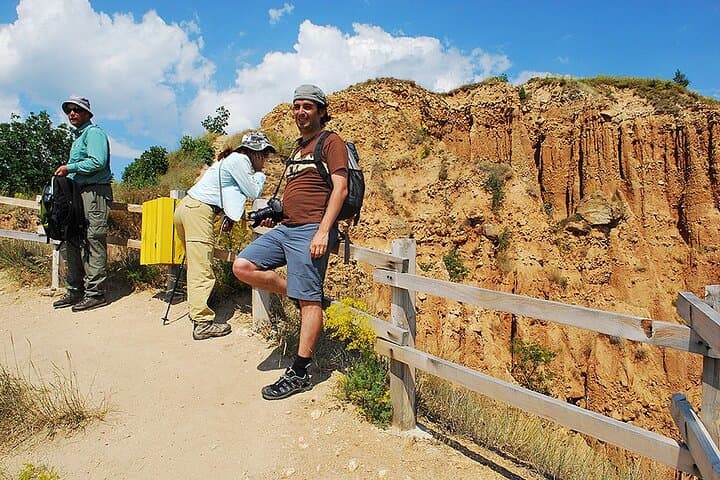
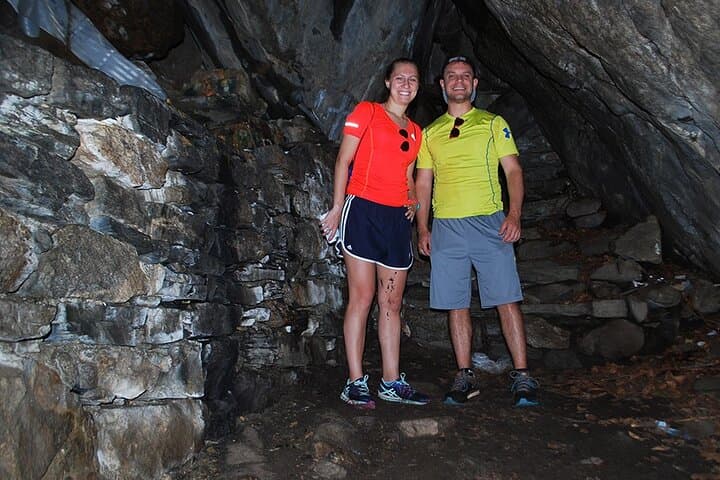
Later, the tour swings west to the Stob Pyramids, a row of earth pillars that the wind and rain have shaved into improbable columns. Up close, the formations look like a miniature city of earthen towers—strata reveal alternating layers of compacted sediment and looser loam that peel off in thin sheets after heavy rains. Between these two extremes — monastery and pyramids — you hike a short path into the forest toward the St. Ivan Rilski cave, a compact, damp hollow where legend and solitude meet. The cave isn’t a spelunking challenge; it’s a moment to feel the mountain compress around you and remember why this region produced a hermit saint.
Logistics are simple: the private, full-day tour runs roughly 6–8 hours with hotel pickup from Sofia, licensed mountain guide, transfers and local taxes included. Walking is easy to moderate — stone steps at the monastery and uneven ground at the pyramids and cave — so bring good footwear and a waterproof layer. Timing matters: mornings at the monastery avoid the largest crowds and late afternoon light sculpts the Stob formations dramatically.
Practical tips: dress respectfully for the monastery (shoulders and knees covered), pack water and snacks for the vehicle segments, and leave time for the monastery’s small museum and the souvenir stalls near the courtyard. Conservation here depends on simple behavior: stick to marked trails, avoid touching frescoes, and take any litter with you. Do that, and you’ll leave with a deeper sense of Bulgaria’s highlands — their faith, their geology, and their stubborn, visible beauty.
moderate.
6–8 hours.
Suitable for average fitness—short hikes and stairs but no technical climbing; expect periods of standing and walking.
The tour lasts about 6–8 hours depending on traffic and starts with hotel pickup in Sofia; exact pickup time is provided when you book.
Yes, admissions for the Rila Monastery and Stob Pyramids are included in the tour price as listed in the itinerary.
Yes — the provider notes infants can ride in strollers and specialized infant seats are available, but uneven terrain at the pyramids may limit stroller use.
Modest dress is required inside the monastery chapels; bring a scarf or lightweight cover if you prefer shorts or tank tops.
Transfers include hotel pickup and drop-off, but bring snacks; the guide usually allows a break for lunch at a local cafe or tavern (at your own expense).
No—it's an easy to moderate forest walk with some uneven ground; suitable for most visitors with basic mobility.
Rila Monastery grew around the 10th-century hermitage of St. Ivan of Rila and served as a cultural and spiritual refuge through Ottoman rule; it's a UNESCO World Heritage Site for its architecture and fresco painting.
Stick to marked trails, avoid touching frescoes and icons, and carry out all litter; local guides support small preservation fees and respectful visitation.
Azimut Tours operates guided outdoor trips and adventures with an emphasis on safety, stewardship, and memorable experiences.
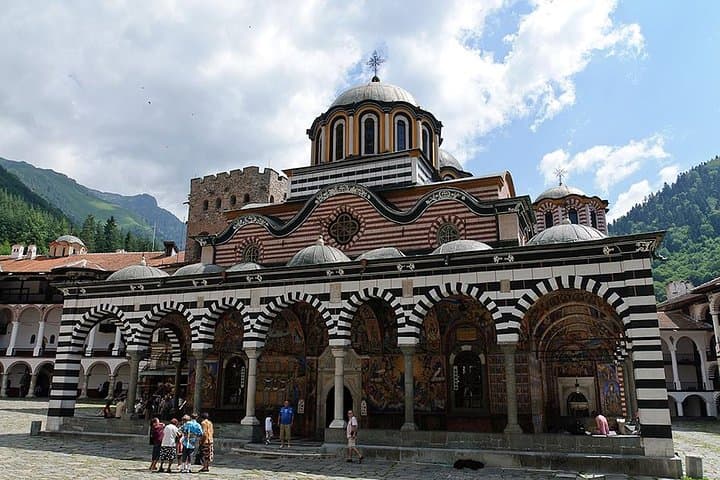
You emerge from the minivan to a courtyard of stone, wood, and frescoes. Air from the Rila Mountains pushes down the valley like a slow hand, cool and fragrant with spruce. Monks move quietly between archways, their voices a soft counterpoint to the chatter of visitors; frescoes curve above you in saturated reds and blues, their saints watching like patient historians. This is Rila Monastery — the day’s emotional hinge — but the tour stretches beyond the cloister into caves and sculpted earth, letting the mountains and the plains compete for attention.
You emerge from the minivan to a courtyard of stone, wood, and frescoes. Air from the Rila Mountains pushes down the valley like a slow hand, cool and fragrant with spruce. Monks move quietly between archways, their voices a soft counterpoint to the chatter of visitors; frescoes curve above you in saturated reds and blues, their saints watching like patient historians. This is Rila Monastery — the day’s emotional hinge — but the tour stretches beyond the cloister into caves and sculpted earth, letting the mountains and the plains compete for attention.
The route reads like a concentrated primer on Bulgarian identity. Founded in the 10th century by St. Ivan of Rila, the monastery grew around his hermitage and became a cultural heart during Ottoman rule when it preserved books, iconography, and Cyrillic traditions. Geologically, the Rila range is granite and metamorphic bedrock uplifted in the Alpine orogeny; valleys have been carved by glaciation and time, producing the steep cirques and rivers that feed the area.
Later, the tour swings west to the Stob Pyramids, a row of earth pillars that the wind and rain have shaved into improbable columns. Up close, the formations look like a miniature city of earthen towers—strata reveal alternating layers of compacted sediment and looser loam that peel off in thin sheets after heavy rains. Between these two extremes — monastery and pyramids — you hike a short path into the forest toward the St. Ivan Rilski cave, a compact, damp hollow where legend and solitude meet. The cave isn’t a spelunking challenge; it’s a moment to feel the mountain compress around you and remember why this region produced a hermit saint.
Logistics are simple: the private, full-day tour runs roughly 6–8 hours with hotel pickup from Sofia, licensed mountain guide, transfers and local taxes included. Walking is easy to moderate — stone steps at the monastery and uneven ground at the pyramids and cave — so bring good footwear and a waterproof layer. Timing matters: mornings at the monastery avoid the largest crowds and late afternoon light sculpts the Stob formations dramatically.
Practical tips: dress respectfully for the monastery (shoulders and knees covered), pack water and snacks for the vehicle segments, and leave time for the monastery’s small museum and the souvenir stalls near the courtyard. Conservation here depends on simple behavior: stick to marked trails, avoid touching frescoes, and take any litter with you. Do that, and you’ll leave with a deeper sense of Bulgaria’s highlands — their faith, their geology, and their stubborn, visible beauty.