THE ADVENTURE COLLECTIVE® · Independent discovery and booking for outdoor travel

A one‑day shared shuttle from Sofia that pairs the UNESCO Rila Monastery with Plovdiv’s layered old town. Spend a morning in the Rila Mountains and an afternoon exploring Roman ruins, cobbled streets and local cafes.
A one‑day shared shuttle from Sofia that pairs the UNESCO Rila Monastery with Plovdiv’s layered old town. Spend a morning in the Rila Mountains and an afternoon exploring Roman ruins, cobbled streets and local cafes.
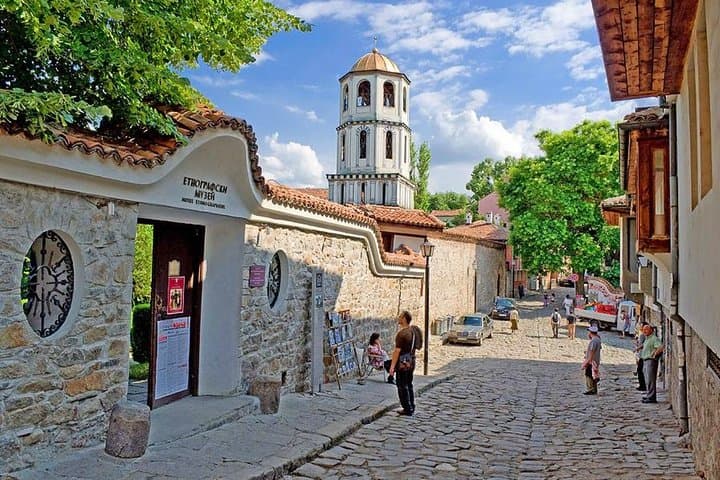
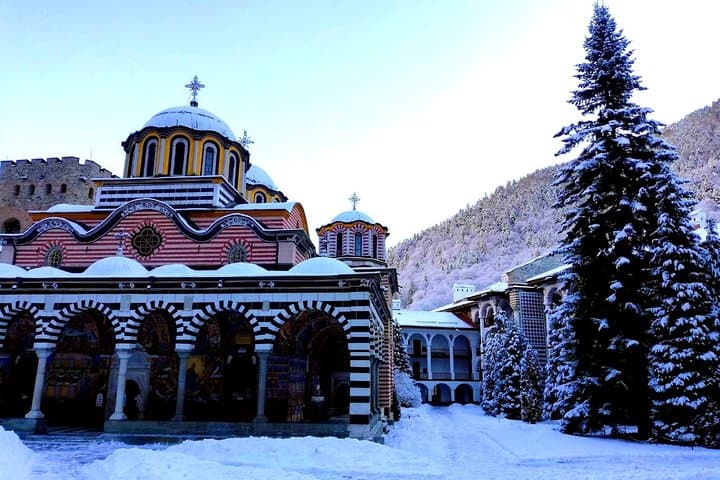
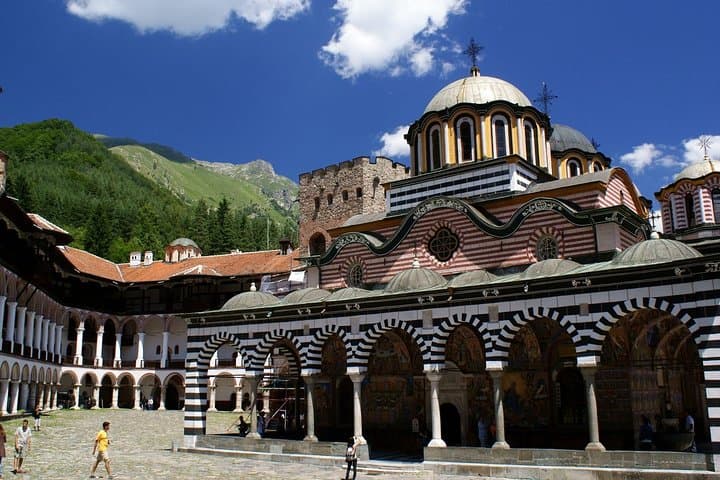
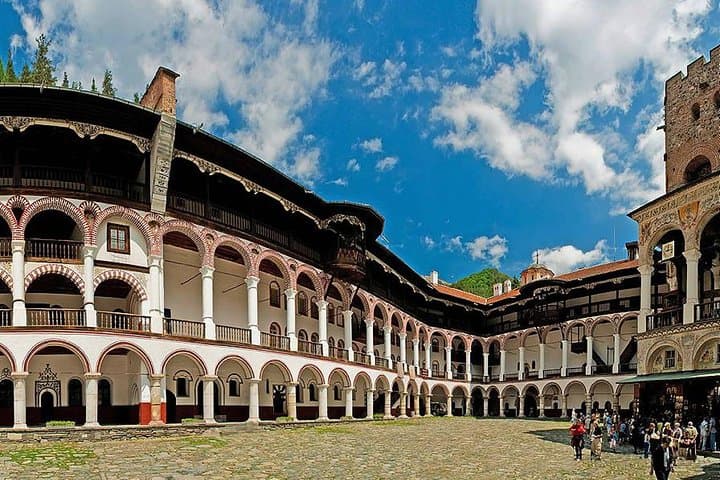
The minibus slips away from Knyaz Aleksander I square before dawn, city lights shrinking as the road climbs into the Rila range. By mid‑morning the monastery’s frescoed walls and stone courtyards appear between beech trunks; the air tastes of pine and cold mountain springs. In the afternoon the shuttle eases down toward Plovdiv, where cobbled lanes and Roman ruins wait beneath the warm light.
Verified experiences and guided adventures in the surrounding area.
Operated by URCA Ltd · Rila, Kyustendil Province
The minibus slips away from Knyaz Aleksander I square before dawn, city lights shrinking as the road climbs into the Rila range. By mid‑morning the monastery’s frescoed walls and stone courtyards appear between beech trunks; the air tastes of pine and cold mountain springs. In the afternoon the shuttle eases down toward Plovdiv, where cobbled lanes and Roman ruins wait beneath the warm light.
Rila Monastery dates to the 10th century, founded by St. Ivan of Rila; its wood‑carved iconostasis and Byzantine frescoes are anchored in centuries of Bulgarian Orthodox tradition. Geologically, the Rila Mountains are granite and glacial valleys—ridges that shaped pilgrimage routes and lookouts. Plovdiv, one of Europe’s oldest continuously inhabited cities, layers Thracian, Roman and Ottoman remains into a compact, walkable center with the Roman theatre and the Kapana arts quarter.
Practicalities matter: this is a full day (roughly 12–13 hours) of shared transfers with more than an hour at the monastery and about 4–5 hours in Plovdiv for independent exploration. Expect uneven stone steps, short uphill approaches and narrow streets. Dress code enforcement at the monastery requires covered knees and shoulders; comfortable shoes and a light waterproof are recommended as mountain weather can shift quickly.
Bring water and snacks, leave large luggage in Sofia, and plan your afternoon priorities in Plovdiv—archaeological sites can close earlier in winter. The journey pairs cultural depth with rugged highland views, a compact way to sample two of Bulgaria’s defining places in one long, revealing day.
easy.
12–13 hours.
Suitable for travelers in normal physical condition who can manage several hours of walking and staircases.
No — this shared shuttle provides transport and free time to explore; entrance fees to museums or church areas may be paid on site.
Pick‑up and drop‑off are at the car parking near Knyaz Aleksander I square (in front of The Palace - National Art Gallery); nearest metro station is Serdika.
About 4–5 hours of independent time; drivers typically drop guests near the historical center and provide a tourist map and tips.
Yes — specialized infant seats are available but must be requested at the time of booking.
Rila Monastery was founded in the 10th century by the hermit St. Ivan of Rila; Plovdiv’s layers include Thracian, Roman and Ottoman periods making it one of Europe’s oldest cities.
Rila National Park protects alpine and forest ecosystems—stick to marked paths to limit erosion, avoid feeding wildlife and carry out all litter; follow dress and behavior rules to respect the cultural site.
URCA Ltd operates guided outdoor trips and adventures with an emphasis on safety, stewardship, and memorable experiences.
The minibus slips away from Knyaz Aleksander I square before dawn, city lights shrinking as the road climbs into the Rila range. By mid‑morning the monastery’s frescoed walls and stone courtyards appear between beech trunks; the air tastes of pine and cold mountain springs. In the afternoon the shuttle eases down toward Plovdiv, where cobbled lanes and Roman ruins wait beneath the warm light.
The minibus slips away from Knyaz Aleksander I square before dawn, city lights shrinking as the road climbs into the Rila range. By mid‑morning the monastery’s frescoed walls and stone courtyards appear between beech trunks; the air tastes of pine and cold mountain springs. In the afternoon the shuttle eases down toward Plovdiv, where cobbled lanes and Roman ruins wait beneath the warm light.
Rila Monastery dates to the 10th century, founded by St. Ivan of Rila; its wood‑carved iconostasis and Byzantine frescoes are anchored in centuries of Bulgarian Orthodox tradition. Geologically, the Rila Mountains are granite and glacial valleys—ridges that shaped pilgrimage routes and lookouts. Plovdiv, one of Europe’s oldest continuously inhabited cities, layers Thracian, Roman and Ottoman remains into a compact, walkable center with the Roman theatre and the Kapana arts quarter.
Practicalities matter: this is a full day (roughly 12–13 hours) of shared transfers with more than an hour at the monastery and about 4–5 hours in Plovdiv for independent exploration. Expect uneven stone steps, short uphill approaches and narrow streets. Dress code enforcement at the monastery requires covered knees and shoulders; comfortable shoes and a light waterproof are recommended as mountain weather can shift quickly.
Bring water and snacks, leave large luggage in Sofia, and plan your afternoon priorities in Plovdiv—archaeological sites can close earlier in winter. The journey pairs cultural depth with rugged highland views, a compact way to sample two of Bulgaria’s defining places in one long, revealing day.