THE ADVENTURE COLLECTIVE® · Independent discovery and booking for outdoor travel

A private full-day from Riga that pairs the baroque grandeur of Rundāle Palace and the austere, moving Hill of Crosses with a stop by Bauska Castle. Expect scenic drives, short walks, and guided context on Latvia and Lithuania’s layered history.
A private full-day from Riga that pairs the baroque grandeur of Rundāle Palace and the austere, moving Hill of Crosses with a stop by Bauska Castle. Expect scenic drives, short walks, and guided context on Latvia and Lithuania’s layered history.
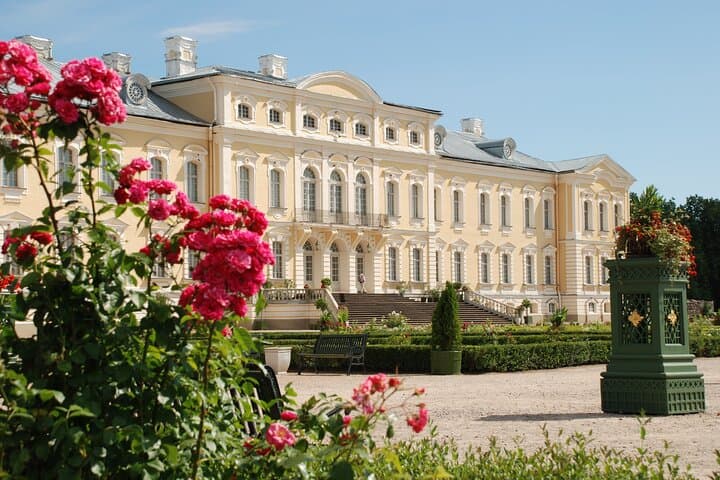
You step into the bright Baltic morning in Riga and the city slides away: flat farmland, birch copses, and rivers that dare you to look closer. Within an hour the road narrows and the baroque silhouette of Rundāle Palace rises—white façades and sculpted roofs cutting a crisp profile against the sky.
Verified experiences and guided adventures in the surrounding area.
Operated by taxiGo Limo Airport Service · Riga, Riga
You step into the bright Baltic morning in Riga and the city slides away: flat farmland, birch copses, and rivers that dare you to look closer. Within an hour the road narrows and the baroque silhouette of Rundāle Palace rises—white façades and sculpted roofs cutting a crisp profile against the sky.
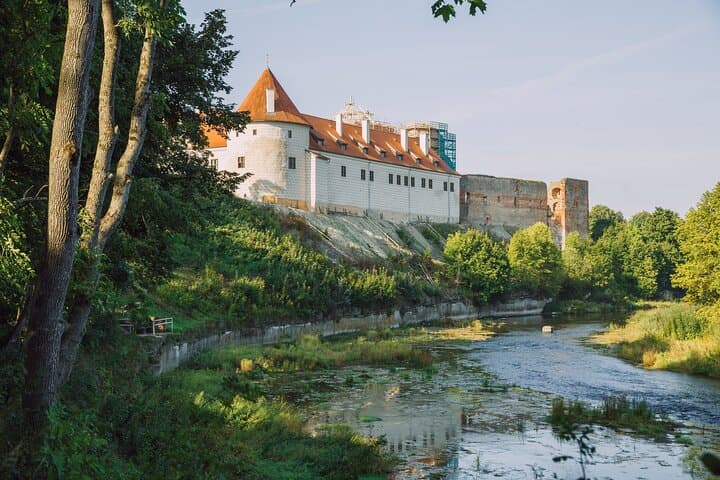
Rundāle Palace, often called the Little Versailles, dates to the 18th century and reflects the French-inspired landscaping and courtly life of the Duchy of Courland. Nearby Bauska Castle perches where the Mūsa and Mēmele rivers meet, a medieval reminder of regional power struggles and trade routes. Crossing the border into Lithuania brings a different rhythm: the Hill of Crosses accumulates layers of devotion—thousands of crosses, rosaries, and handwritten notes that chart popular faith and resistance through modern history.
Geology here is lowland—glacial moraines and river terraces—so travel is easy on a day schedule; expect about 7–8 hours total with two or three stops and drives of up to 90 minutes between highlights. Guides usually include basic commentary, photo stops, and optional museum entries (Rundāle admission and Bauska Castle museum may carry separate fees).
Practical edge: wear comfortable walking shoes for gravel paths and palace gardens, bring a lightweight layer for coastal winds, and carry ID for cross-border travel within the Schengen area. Pack water and cash (small euros for optional museum fees and donations). Aim for a morning departure to avoid midday crowds at Rundāle and allow quieter time at the Hill of Crosses before late-afternoon return to Riga.
easy.
7–8 hours.
Suitable for most fitness levels; requires short walks and standing for guided commentary.
Rundāle Palace is roughly a 70–90 minute drive from central Riga depending on traffic—plan for about 1.5–2 hours round-trip driving each way including local roads.
Admissions are typically not included in base private tours; Rundāle Palace and Bauska Castle museum may charge separate entry fees—bring cash or card to pay on-site.
The Hill of Crosses is in northern Lithuania and is approximately a 90–120 minute drive from Rundāle depending on routing; expect to spend part of the day in transit between sites.
Yes—this private tour is advertised as suitable for all fitness levels; walking is light but there are outdoor paths and some steps in palaces to consider.
Rundāle Palace was built in the 18th century for Duke Ernst Johann von Biron and reflects the region’s ties to Baltic German nobility and French courtly style; the Hill of Crosses became a symbol of Lithuanian national identity through the 19th and 20th centuries.
Sites are managed with heritage conservation in mind—stay on paths at Rundāle to protect historic gardens, and avoid leaving items at the Hill of Crosses beyond designated offerings to respect local practice.
taxiGo Limo Airport Service operates guided outdoor trips and adventures with an emphasis on safety, stewardship, and memorable experiences.

You step into the bright Baltic morning in Riga and the city slides away: flat farmland, birch copses, and rivers that dare you to look closer. Within an hour the road narrows and the baroque silhouette of Rundāle Palace rises—white façades and sculpted roofs cutting a crisp profile against the sky.
You step into the bright Baltic morning in Riga and the city slides away: flat farmland, birch copses, and rivers that dare you to look closer. Within an hour the road narrows and the baroque silhouette of Rundāle Palace rises—white façades and sculpted roofs cutting a crisp profile against the sky.
Rundāle Palace, often called the Little Versailles, dates to the 18th century and reflects the French-inspired landscaping and courtly life of the Duchy of Courland. Nearby Bauska Castle perches where the Mūsa and Mēmele rivers meet, a medieval reminder of regional power struggles and trade routes. Crossing the border into Lithuania brings a different rhythm: the Hill of Crosses accumulates layers of devotion—thousands of crosses, rosaries, and handwritten notes that chart popular faith and resistance through modern history.
Geology here is lowland—glacial moraines and river terraces—so travel is easy on a day schedule; expect about 7–8 hours total with two or three stops and drives of up to 90 minutes between highlights. Guides usually include basic commentary, photo stops, and optional museum entries (Rundāle admission and Bauska Castle museum may carry separate fees).
Practical edge: wear comfortable walking shoes for gravel paths and palace gardens, bring a lightweight layer for coastal winds, and carry ID for cross-border travel within the Schengen area. Pack water and cash (small euros for optional museum fees and donations). Aim for a morning departure to avoid midday crowds at Rundāle and allow quieter time at the Hill of Crosses before late-afternoon return to Riga.