THE ADVENTURE COLLECTIVE® · Independent discovery and booking for outdoor travel

Strap into a wheeled bobsled and hit a championship-grade track just outside Riga. This summer bobsleigh run delivers 70–80 km/h thrills, a safety briefing, and a single, intense descent—perfect for adrenaline seekers with a pragmatic streak.
Strap into a wheeled bobsled and hit a championship-grade track just outside Riga. This summer bobsleigh run delivers 70–80 km/h thrills, a safety briefing, and a single, intense descent—perfect for adrenaline seekers with a pragmatic streak.
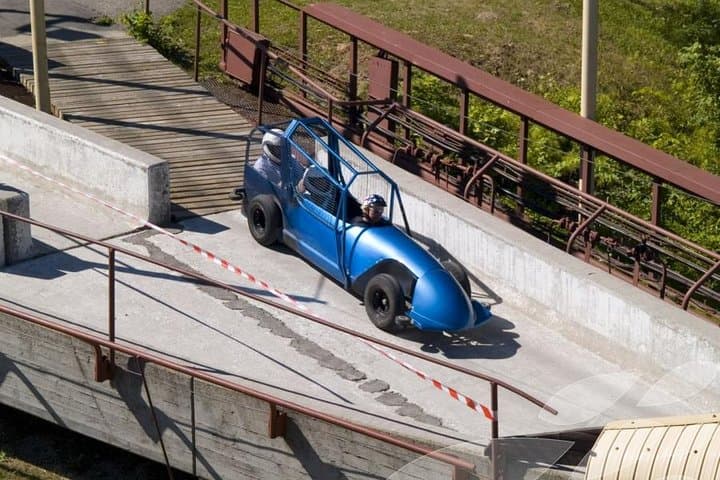
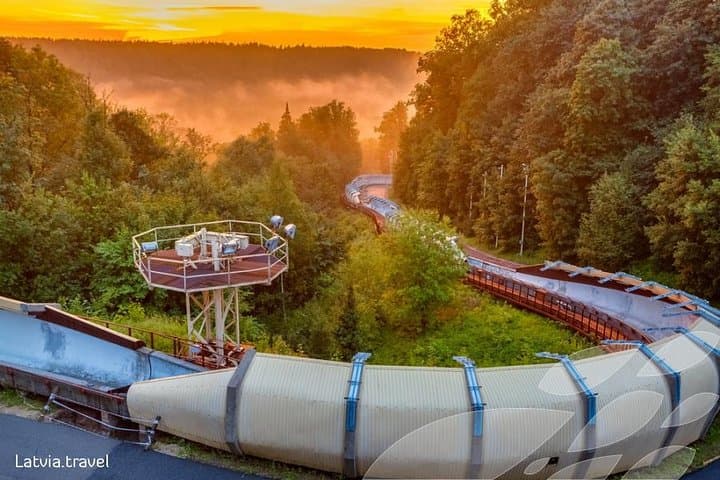
A low rumble builds beneath the sled as the start gate slips open. The track unspools ahead—banked concrete curving into forested hollows—and within seconds the world compresses to wind and speed. On Riga’s summer bobsleigh experience, riders strap into a wheeled bobsled and descend the same championship-grade course used for international luge and bobsleigh training, reaching sustained speeds of 70–80 km/h that force attention to the present.
Verified experiences and guided adventures in the surrounding area.
Operated by Riga Stag Weekend · Sigulda, Vidzeme
A low rumble builds beneath the sled as the start gate slips open. The track unspools ahead—banked concrete curving into forested hollows—and within seconds the world compresses to wind and speed. On Riga’s summer bobsleigh experience, riders strap into a wheeled bobsled and descend the same championship-grade course used for international luge and bobsleigh training, reaching sustained speeds of 70–80 km/h that force attention to the present.
The track at Sigulda sits at the edge of Latvia’s Vidzeme hills, carved into glacial deposits and river valleys that shaped the region after the last ice age. The complex has hosted international competitions and training for decades, and the summer program adapts the winter infrastructure with wheeled sleds and reinforced braking zones. Local guides pair operational know-how with safety briefings, placing the run in the context of Latvia’s outdoor-sport culture—part adrenaline, part engineering.
Practically, sessions run about 2–2.5 hours including transfers, briefing, and one ride per booking; safety gear and an English-speaking guide are provided. Riders should expect tight G-forces through cupped turns and a short but intense adrenaline spike at the straights. Ideal timing is mid-morning when light and visibility are best; arrive with closed-toe shoes, layers for wind, and a calm stomach.
This is an activity for those who want measured risk and a clear checklist: follow the guide, heed medical restrictions (spinal injuries contraindicate), and enjoy a sharply focused, high-velocity slice of Latvian outdoor sport.
challenging.
2–3 hours.
Suitable for people in average fitness; must be able to climb in and out of a low sled and follow safety instructions.
Riders typically reach 70–80 km/h on the concrete track; speeds vary by section and weight distribution.
Safety equipment and an English-speaking guide are provided, but it is not recommended for people with spinal injuries or similar conditions.
Bookings generally include transfers (where offered), a safety briefing, equipment, an English-speaking guide, and one ride per person.
The runs use the Sigulda bobsleigh and luge complex north-east of Riga; most travelers stay in Riga and make the short transfer to the track.
The Sigulda track was developed as part of Latvia’s winter-sport infrastructure and has hosted international competitions and training sessions.
Operators manage the site to limit impact on surrounding forests; visitors should stay on marked paths and avoid littering to protect the river valley ecosystem.
Riga Stag Weekend operates guided outdoor trips and adventures with an emphasis on safety, stewardship, and memorable experiences.
A low rumble builds beneath the sled as the start gate slips open. The track unspools ahead—banked concrete curving into forested hollows—and within seconds the world compresses to wind and speed. On Riga’s summer bobsleigh experience, riders strap into a wheeled bobsled and descend the same championship-grade course used for international luge and bobsleigh training, reaching sustained speeds of 70–80 km/h that force attention to the present.
A low rumble builds beneath the sled as the start gate slips open. The track unspools ahead—banked concrete curving into forested hollows—and within seconds the world compresses to wind and speed. On Riga’s summer bobsleigh experience, riders strap into a wheeled bobsled and descend the same championship-grade course used for international luge and bobsleigh training, reaching sustained speeds of 70–80 km/h that force attention to the present.
The track at Sigulda sits at the edge of Latvia’s Vidzeme hills, carved into glacial deposits and river valleys that shaped the region after the last ice age. The complex has hosted international competitions and training for decades, and the summer program adapts the winter infrastructure with wheeled sleds and reinforced braking zones. Local guides pair operational know-how with safety briefings, placing the run in the context of Latvia’s outdoor-sport culture—part adrenaline, part engineering.
Practically, sessions run about 2–2.5 hours including transfers, briefing, and one ride per booking; safety gear and an English-speaking guide are provided. Riders should expect tight G-forces through cupped turns and a short but intense adrenaline spike at the straights. Ideal timing is mid-morning when light and visibility are best; arrive with closed-toe shoes, layers for wind, and a calm stomach.
This is an activity for those who want measured risk and a clear checklist: follow the guide, heed medical restrictions (spinal injuries contraindicate), and enjoy a sharply focused, high-velocity slice of Latvian outdoor sport.