THE ADVENTURE COLLECTIVE® · Independent discovery and booking for outdoor travel

Two hours of focused climbing in Riga’s indoor gym: expert instruction, safety gear provided, and routes tailored to all levels. Perfect for beginners wanting fundamentals or intermediates sharpening technique before heading outdoors.
Two hours of focused climbing in Riga’s indoor gym: expert instruction, safety gear provided, and routes tailored to all levels. Perfect for beginners wanting fundamentals or intermediates sharpening technique before heading outdoors.
The gym smells faintly of resin and espresso as a group collects beneath a wall patterned with colored holds. Chalk whispers off fingers, shoes click on rubberized flooring, and an instructor’s voice slices through the chatter with a calm, practiced cadence. This is not alpine heroics; it’s concentrated movement—drive, balance, and problem solving—wrapped into a two-hour session that turns a brisk Riga afternoon into a focused, physical game.
Verified experiences and guided adventures in the surrounding area.
Operated by Riga Stag Weekend · Riga, Riga
The gym smells faintly of resin and espresso as a group collects beneath a wall patterned with colored holds. Chalk whispers off fingers, shoes click on rubberized flooring, and an instructor’s voice slices through the chatter with a calm, practiced cadence. This is not alpine heroics; it’s concentrated movement—drive, balance, and problem solving—wrapped into a two-hour session that turns a brisk Riga afternoon into a focused, physical game.
Riga’s climbing scene grew out of post-Soviet reinvention: former warehouses and sports halls repurposed into places where technique matters more than altitude. Latvia’s flat geology—left behind by glaciers rather than uplifted into vertical ranges—means climbers often train indoors before seeking natural crags elsewhere in the Baltics. That makes the city’s gyms social hubs, where locals trade beta and tourists find patient instructors who distill knot-tying, belaying, and efficient footwork into clear coaching.
Culture here blends Baltic restraint with a pragmatic thirst for outdoor time. After a session, it’s typical to head to a neighborhood café for dark Latvian coffee or to share a beer while comparing route grades. The practical payoff: better movement, safer rope work, and a taste of a climbing community that prizes steady progress over spectacle.
If you’re planning this two-hour private session, expect a structured warm-up, guided climbs on top-rope and lead-friendly walls (depending on group experience), and one-on-one feedback. The provider supplies safety gear and instructor guidance; you bring focused energy. The activity works for beginners who want fundamentals and for intermediate climbers looking to sharpen technique before an outdoor trip.
Arrive 15–20 minutes early to fill out waivers and let staff fit shoes and harnesses. Wear flexible, breathable clothing and avoid cotton—synthetic fabrics move better when you’re hanging off an overhang. Hydrate before and after; the gym’s microclimate can heat up quickly under exertion. Note practical booking details: minimum participants apply, groups above eight may have a different meeting point, and the activity is private—perfect for a small team or friends wanting a structured challenge.
Riga’s climbing gyms are training grounds and meeting places: they prepare you for Baltic sandstone or limestone excursions further afield, and they’re a reliable option when Baltic weather closes off outdoor plans. Whether you want to learn to belay, sharpen footwork, or stage a friendly competition, this two-hour session gives you coached progress in a compact, efficient package.
moderate.
2 hours.
Suitable for most fitness levels; some upper-body strength and mobility help but instructors scale routes for beginners.
No—this session accommodates beginners with step-by-step instruction; instructors will also set harder problems for experienced climbers.
Safety equipment and basic gear are provided; bringing your own climbing shoes or chalk can improve fit and comfort.
The activity requires a minimum number of participants (check booking details); private sessions are available for small groups.
This session is not recommended for pregnant travelers due to the physical demands and safety considerations.
Because this is an indoor activity, weather does not affect scheduling; cancellations and refunds follow the operator’s stated policy.
Yes—an English-speaking instructor is included in the session to guide technique and safety.
Riga’s climbing gyms grew from post-Soviet urban reuse—warehouses and sports halls converted into training centers as the local climbing community organized in the 2000s.
Indoor climbing reduces pressure on fragile natural crags; support local gyms that promote leave-no-trace tactics and minimize chalk dust in outdoor areas.
Riga Stag Weekend operates guided outdoor trips and adventures with an emphasis on safety, stewardship, and memorable experiences.
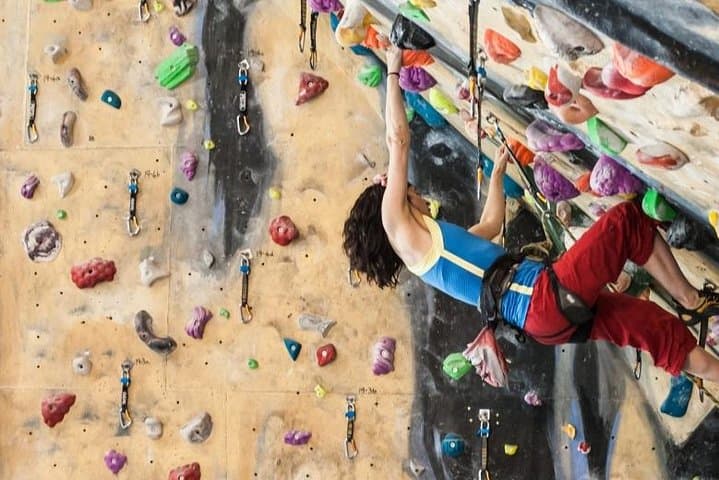

The gym smells faintly of resin and espresso as a group collects beneath a wall patterned with colored holds. Chalk whispers off fingers, shoes click on rubberized flooring, and an instructor’s voice slices through the chatter with a calm, practiced cadence. This is not alpine heroics; it’s concentrated movement—drive, balance, and problem solving—wrapped into a two-hour session that turns a brisk Riga afternoon into a focused, physical game.
The gym smells faintly of resin and espresso as a group collects beneath a wall patterned with colored holds. Chalk whispers off fingers, shoes click on rubberized flooring, and an instructor’s voice slices through the chatter with a calm, practiced cadence. This is not alpine heroics; it’s concentrated movement—drive, balance, and problem solving—wrapped into a two-hour session that turns a brisk Riga afternoon into a focused, physical game.
Riga’s climbing scene grew out of post-Soviet reinvention: former warehouses and sports halls repurposed into places where technique matters more than altitude. Latvia’s flat geology—left behind by glaciers rather than uplifted into vertical ranges—means climbers often train indoors before seeking natural crags elsewhere in the Baltics. That makes the city’s gyms social hubs, where locals trade beta and tourists find patient instructors who distill knot-tying, belaying, and efficient footwork into clear coaching.
Culture here blends Baltic restraint with a pragmatic thirst for outdoor time. After a session, it’s typical to head to a neighborhood café for dark Latvian coffee or to share a beer while comparing route grades. The practical payoff: better movement, safer rope work, and a taste of a climbing community that prizes steady progress over spectacle.
If you’re planning this two-hour private session, expect a structured warm-up, guided climbs on top-rope and lead-friendly walls (depending on group experience), and one-on-one feedback. The provider supplies safety gear and instructor guidance; you bring focused energy. The activity works for beginners who want fundamentals and for intermediate climbers looking to sharpen technique before an outdoor trip.
Arrive 15–20 minutes early to fill out waivers and let staff fit shoes and harnesses. Wear flexible, breathable clothing and avoid cotton—synthetic fabrics move better when you’re hanging off an overhang. Hydrate before and after; the gym’s microclimate can heat up quickly under exertion. Note practical booking details: minimum participants apply, groups above eight may have a different meeting point, and the activity is private—perfect for a small team or friends wanting a structured challenge.
Riga’s climbing gyms are training grounds and meeting places: they prepare you for Baltic sandstone or limestone excursions further afield, and they’re a reliable option when Baltic weather closes off outdoor plans. Whether you want to learn to belay, sharpen footwork, or stage a friendly competition, this two-hour session gives you coached progress in a compact, efficient package.