THE ADVENTURE COLLECTIVE® · Independent discovery and booking for outdoor travel

Turn a warehouse into a racetrack and you have Riga’s indoor karting — a high-speed, short-format racing experience ideal for groups, corporate events, and anyone wanting a taste of motorsport. Expect tight corners, sprint heats, and strict safety rules.
Turn a warehouse into a racetrack and you have Riga’s indoor karting — a high-speed, short-format racing experience ideal for groups, corporate events, and anyone wanting a taste of motorsport. Expect tight corners, sprint heats, and strict safety rules.
Leather-scented gloves, warm rubber under your palms and a neon ribbon of track ahead — that’s the first impression inside Riga’s indoor karting arena. The pit lights hum, marshals call out lap times and a pack of seven drivers leans into the first corner with the kind of focus usually reserved for Sunday races.
Verified experiences and guided adventures in the surrounding area.
Operated by Lovely Riga · Riga, Riga
Leather-scented gloves, warm rubber under your palms and a neon ribbon of track ahead — that’s the first impression inside Riga’s indoor karting arena. The pit lights hum, marshals call out lap times and a pack of seven drivers leans into the first corner with the kind of focus usually reserved for Sunday races.
Karting arrived in Europe as a grassroots motorsport after World War II and in Riga it fits the city’s industrial-turned-recreational character. The track sits inside a converted warehouse near the Daugava River, where brick façades and post-industrial spaces now host nightlife and active pastimes. For locals the venue is part entertainment, part motorsport gateway: electric and petrol karts give beginners a taste of wheel-to-wheel racing and teams a quick, competitive format for corporate days.
Expect a technical indoor layout: tight hairpins, short straights and concrete barriers that punish optimism. Sessions typically include a safety briefing, gear-up and two 10-minute sprint races; the full experience lasts around 2–3 hours. Operators enforce breathalyzer checks and prohibit anyone who’s been drinking; they also advise against participation for pregnant people or those with serious heart conditions.
Practical tips: arrive early to get fitted and learn the racing line, wear closed-toe soft-soled shoes, and bring ID for booking checks. Book private slots for stag dos or team-building to secure peak times, and remember electric karts reduce noise and local emissions but still demand concentration and respect for track rules.
moderate.
2–3 hours.
Moderate fitness; short sprints require core stability and leg strength for pedal control and g-forces
The standard package includes two 10-minute races with briefing and equipment fitting making the total activity roughly 2–3 hours.
No—drivers may be breathalysed and anyone over the limit will be denied participation for safety reasons.
Most venues provide helmets and basic protective gear; check ahead if you require a specific size or want to bring your own.
Age limits vary by operator; younger drivers may be allowed in junior karts but check the booking requirements for minimum age and height.
Riga’s industrial zones along the Daugava have evolved into mixed-use spaces; indoor motorsport venues often occupy refurbished warehouses dating to the city’s manufacturing past.
Many modern arenas use electric karts to reduce emissions and noise; riders are encouraged to minimize waste, use venue bins, and respect local noise rules.
Lovely Riga operates guided outdoor trips and adventures with an emphasis on safety, stewardship, and memorable experiences.
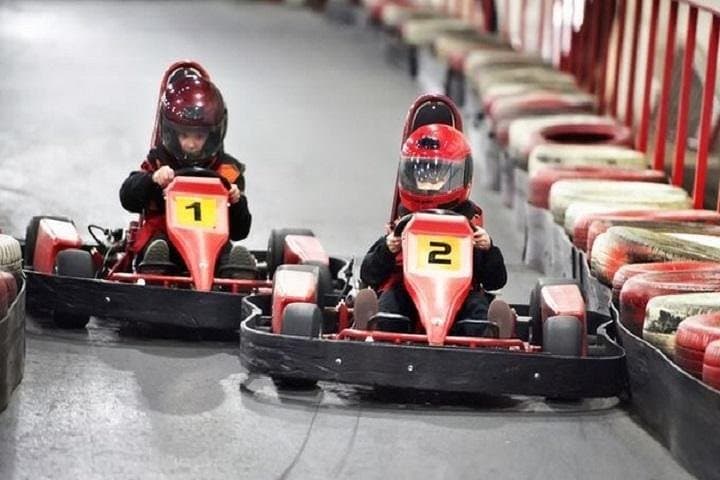
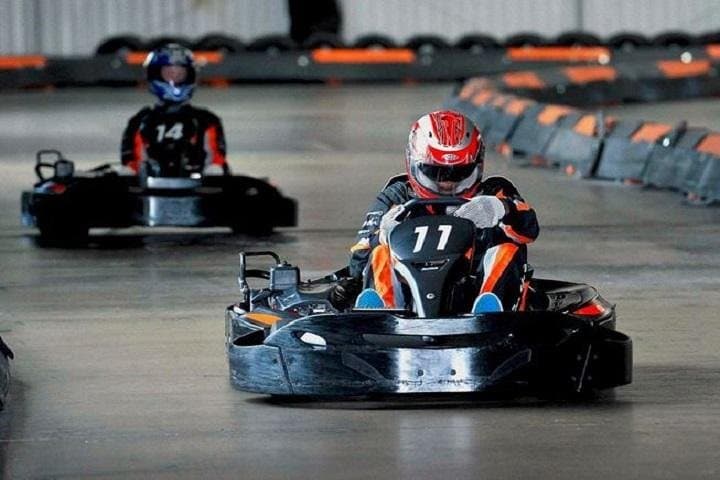
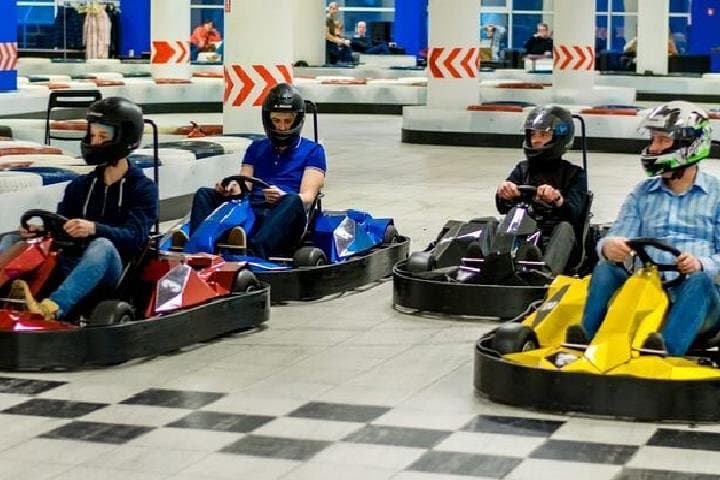
Leather-scented gloves, warm rubber under your palms and a neon ribbon of track ahead — that’s the first impression inside Riga’s indoor karting arena. The pit lights hum, marshals call out lap times and a pack of seven drivers leans into the first corner with the kind of focus usually reserved for Sunday races.
Leather-scented gloves, warm rubber under your palms and a neon ribbon of track ahead — that’s the first impression inside Riga’s indoor karting arena. The pit lights hum, marshals call out lap times and a pack of seven drivers leans into the first corner with the kind of focus usually reserved for Sunday races.
Karting arrived in Europe as a grassroots motorsport after World War II and in Riga it fits the city’s industrial-turned-recreational character. The track sits inside a converted warehouse near the Daugava River, where brick façades and post-industrial spaces now host nightlife and active pastimes. For locals the venue is part entertainment, part motorsport gateway: electric and petrol karts give beginners a taste of wheel-to-wheel racing and teams a quick, competitive format for corporate days.
Expect a technical indoor layout: tight hairpins, short straights and concrete barriers that punish optimism. Sessions typically include a safety briefing, gear-up and two 10-minute sprint races; the full experience lasts around 2–3 hours. Operators enforce breathalyzer checks and prohibit anyone who’s been drinking; they also advise against participation for pregnant people or those with serious heart conditions.
Practical tips: arrive early to get fitted and learn the racing line, wear closed-toe soft-soled shoes, and bring ID for booking checks. Book private slots for stag dos or team-building to secure peak times, and remember electric karts reduce noise and local emissions but still demand concentration and respect for track rules.