THE ADVENTURE COLLECTIVE® · Independent discovery and booking for outdoor travel

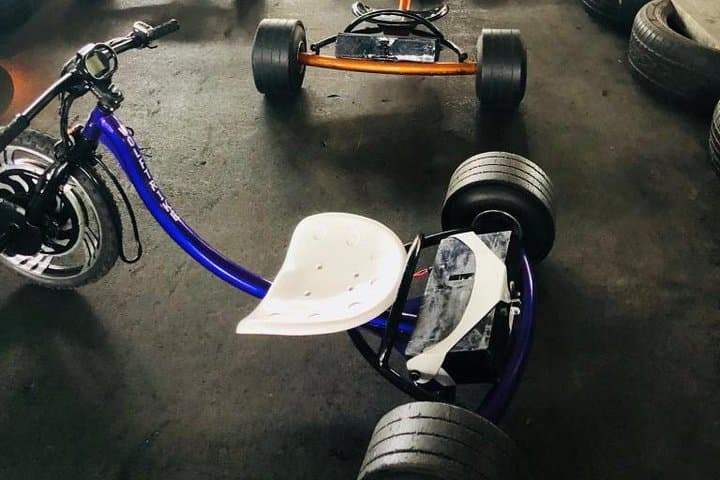
Slide high-powered drift karts around a purpose-built track just outside Riga. This 70-minute activity includes instruction, equipment and short on-track sessions that let newcomers and experienced drivers taste drifting in a controlled environment.
Slide high-powered drift karts around a purpose-built track just outside Riga. This 70-minute activity includes instruction, equipment and short on-track sessions that let newcomers and experienced drivers taste drifting in a controlled environment.
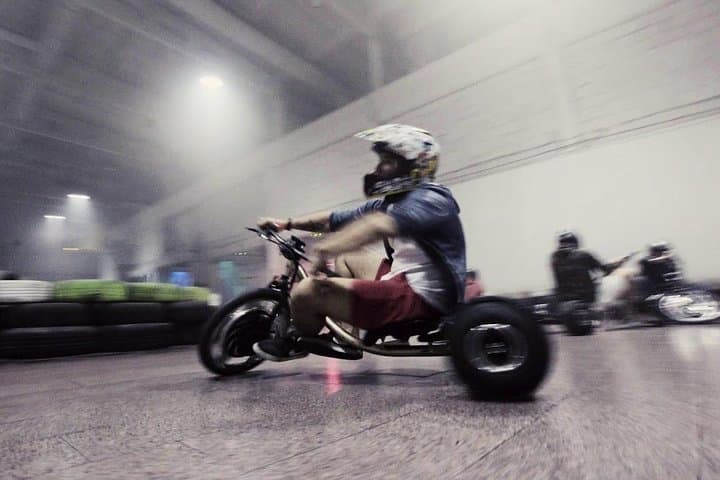
The starter lights blink; a chorus of small, high-revving engines answers. You lean into a wide right-hander as the rear end breaks loose, the kart obediently sliding under your hands while smoke curls from the rear tires. On a cold Baltic afternoon outside Riga, the track feels like a deliberate theater for controlled chaos — loud, precise and intensely physical.
Verified experiences and guided adventures in the surrounding area.
Operated by Riga Stag Weekend · Riga, Riga
The starter lights blink; a chorus of small, high-revving engines answers. You lean into a wide right-hander as the rear end breaks loose, the kart obediently sliding under your hands while smoke curls from the rear tires. On a cold Baltic afternoon outside Riga, the track feels like a deliberate theater for controlled chaos — loud, precise and intensely physical.
Drifting’s modern roots trace back to mountain roads in Japan and rose to global visibility through media and grassroots motorsport. In Latvia, car culture mixes Soviet-era mechanical ingenuity with contemporary interest in motorsport and track days, so a drift karting session sits comfortably between pastime and performance training.
Geographically this is flat, coastal-country driving: the region’s low-lying terrain and the nearby Daugava influence weather patterns that can make surfaces brisk in spring and slick in autumn. Local crews run the show year-round, adjusting sessions around rain and winter conditions.
Practically, expect an adrenaline-focused 70-minute activity that includes instruction, helmet and kart hire, and a 10-minute on-track ride per participant. Sessions often operate as private bookings for groups and can include return transfers for larger groups. Arrive with closed-toe shoes, ready to follow instructor cues, and plan for ear protection and layered clothing — noise and wind are constants.
This is an accessible motorsport experience rather than a technical race school: it rewards boldness, quick reflexes and attention to basics. Whether you’re chasing sideways laps for the first time or sharpening car-control instincts, Riga’s drift karts deliver a compact, memorable burst of speed and technique.
moderate.
1–1.5 hours.
Suitable for most fitness levels; requires quick reflexes, basic core stability and the ability to handle short bursts of high adrenaline.
No standard driving license is typically required for drift kart sessions; the activity is run under controlled conditions with instructor supervision.
Specific age and weight limits vary by operator—bookings request age information in advance; check with the provider if you have concerns about eligibility.
Tracks operate year-round but wet conditions change grip and session format; operators may modify or postpone sessions for safety in severe weather.
Yes—most venues have designated viewing areas, but spectator access and capacity can be limited, so confirm policies when booking.
Drifting evolved from mountain road techniques in Japan and gained global popularity through grassroots motorsport and media; Baltic car culture blends that influence with a local history of mechanical skill developed during the 20th century.
Tracks aim to manage noise and fuel handling responsibly; follow staff instructions, park in designated areas and use public transport when possible to minimize your visit’s footprint.
Riga Stag Weekend operates guided outdoor trips and adventures with an emphasis on safety, stewardship, and memorable experiences.
The starter lights blink; a chorus of small, high-revving engines answers. You lean into a wide right-hander as the rear end breaks loose, the kart obediently sliding under your hands while smoke curls from the rear tires. On a cold Baltic afternoon outside Riga, the track feels like a deliberate theater for controlled chaos — loud, precise and intensely physical.
The starter lights blink; a chorus of small, high-revving engines answers. You lean into a wide right-hander as the rear end breaks loose, the kart obediently sliding under your hands while smoke curls from the rear tires. On a cold Baltic afternoon outside Riga, the track feels like a deliberate theater for controlled chaos — loud, precise and intensely physical.
Drifting’s modern roots trace back to mountain roads in Japan and rose to global visibility through media and grassroots motorsport. In Latvia, car culture mixes Soviet-era mechanical ingenuity with contemporary interest in motorsport and track days, so a drift karting session sits comfortably between pastime and performance training.
Geographically this is flat, coastal-country driving: the region’s low-lying terrain and the nearby Daugava influence weather patterns that can make surfaces brisk in spring and slick in autumn. Local crews run the show year-round, adjusting sessions around rain and winter conditions.
Practically, expect an adrenaline-focused 70-minute activity that includes instruction, helmet and kart hire, and a 10-minute on-track ride per participant. Sessions often operate as private bookings for groups and can include return transfers for larger groups. Arrive with closed-toe shoes, ready to follow instructor cues, and plan for ear protection and layered clothing — noise and wind are constants.
This is an accessible motorsport experience rather than a technical race school: it rewards boldness, quick reflexes and attention to basics. Whether you’re chasing sideways laps for the first time or sharpening car-control instincts, Riga’s drift karts deliver a compact, memorable burst of speed and technique.