THE ADVENTURE COLLECTIVE® · Independent discovery and booking for outdoor travel

Learn to slide granite stones across perfectly pebbled ice in a private, instructor-led curling session in Riga. This two-hour lane hire blends basic technique, team strategy, and plenty of laughter — a practical, hands-on winter activity for groups.
Learn to slide granite stones across perfectly pebbled ice in a private, instructor-led curling session in Riga. This two-hour lane hire blends basic technique, team strategy, and plenty of laughter — a practical, hands-on winter activity for groups.
A low, humming rink waits as the city wind pushes across the Daugava — the fluorescent lights sharpen the ice and a stone clicks against the hack. In Riga's arena the group gathers, breath fogging in the chill, ready to slide a 20-kilo granite stone and learn the quiet language of sweeping.
Verified experiences and guided adventures in the surrounding area.
Operated by Riga Stag Weekend · Riga, Riga
A low, humming rink waits as the city wind pushes across the Daugava — the fluorescent lights sharpen the ice and a stone clicks against the hack. In Riga's arena the group gathers, breath fogging in the chill, ready to slide a 20-kilo granite stone and learn the quiet language of sweeping.
Curling arrived in Northern Europe as part of a wider winter-sport tradition that took hold on frozen rivers and purpose-built rinks after the 19th century. Latvia’s flat, glacially sculpted plains and proximity to the Baltic Sea shape a climate that favors long winters and a culture that prizes communal sport; Riga’s modern sports halls sit within a city known for its Art Nouveau streets and compact, walkable neighborhoods.
The lesson begins with technique — the hacks, the delivery, and the smell of pebbled ice — then moves into strategy and team coordination. An instructor leads two hours of lane hire and guided play, emphasizing balance and communication while the team practices draws, takeouts and timed sweeping.
Practical guidance: all equipment is supplied, but bring warm layers, thin gloves for dexterity, and shoes with a flat sole for stability. The activity is private and suitable for most fitness levels, though those with spinal problems should avoid it. Plan for roughly three hours including transfers and briefing, and check rink start times during peak season. Curling is as much social theatre as sport — expect laughter, loud calls, and a surprising workout for the core and legs.
easy.
2–3 hours.
Suitable for most people with basic mobility; requires balance and light aerobic effort
No — the session includes a professional instructor and is designed for beginners and groups.
Yes — stones, brooms, and sliders are included; personal flat-soled shoes are recommended.
Age and physical requirements vary by operator; confirm during booking and note safety guidelines for younger players.
This activity is not recommended for people with spinal injuries due to delivery posture and repetitive motion.
Curling has roots in 18th–19th century Northern Europe; in Riga, modern rinks reflect the city’s embrace of shared winter sports and club culture.
Ice rinks are energy-intensive; choose operators who manage refrigeration efficiently and support local sports clubs to keep facilities community-focused.
Riga Stag Weekend operates guided outdoor trips and adventures with an emphasis on safety, stewardship, and memorable experiences.
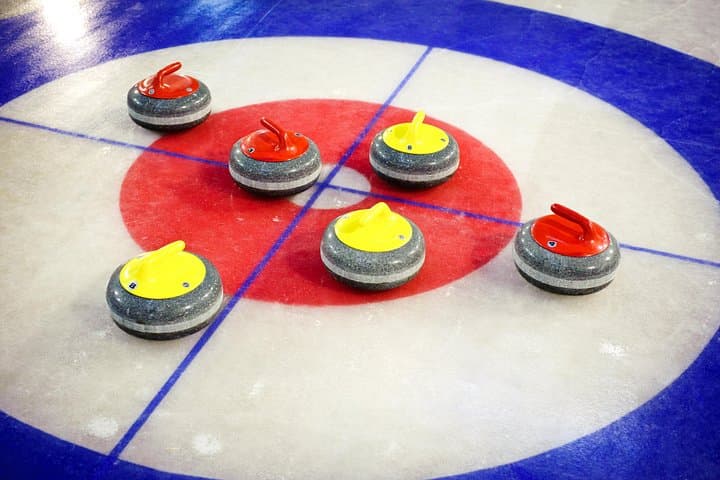
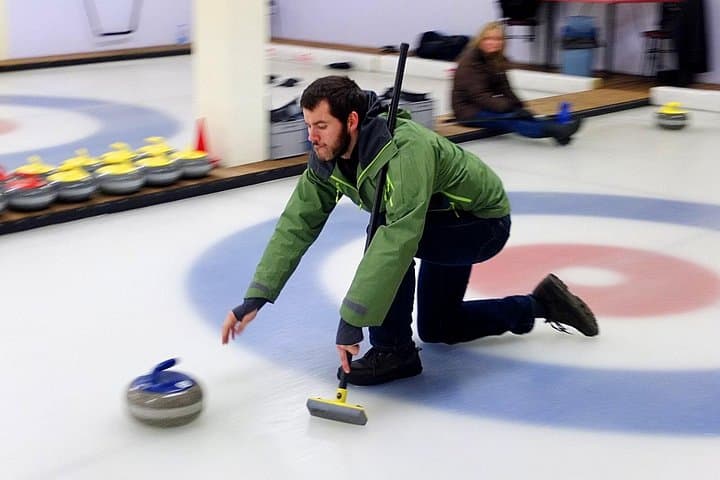
A low, humming rink waits as the city wind pushes across the Daugava — the fluorescent lights sharpen the ice and a stone clicks against the hack. In Riga's arena the group gathers, breath fogging in the chill, ready to slide a 20-kilo granite stone and learn the quiet language of sweeping.
A low, humming rink waits as the city wind pushes across the Daugava — the fluorescent lights sharpen the ice and a stone clicks against the hack. In Riga's arena the group gathers, breath fogging in the chill, ready to slide a 20-kilo granite stone and learn the quiet language of sweeping.
Curling arrived in Northern Europe as part of a wider winter-sport tradition that took hold on frozen rivers and purpose-built rinks after the 19th century. Latvia’s flat, glacially sculpted plains and proximity to the Baltic Sea shape a climate that favors long winters and a culture that prizes communal sport; Riga’s modern sports halls sit within a city known for its Art Nouveau streets and compact, walkable neighborhoods.
The lesson begins with technique — the hacks, the delivery, and the smell of pebbled ice — then moves into strategy and team coordination. An instructor leads two hours of lane hire and guided play, emphasizing balance and communication while the team practices draws, takeouts and timed sweeping.
Practical guidance: all equipment is supplied, but bring warm layers, thin gloves for dexterity, and shoes with a flat sole for stability. The activity is private and suitable for most fitness levels, though those with spinal problems should avoid it. Plan for roughly three hours including transfers and briefing, and check rink start times during peak season. Curling is as much social theatre as sport — expect laughter, loud calls, and a surprising workout for the core and legs.