THE ADVENTURE COLLECTIVE® · Independent discovery and booking for outdoor travel

Trade Riga’s streets for a four-hour paddle along a 15 km course that threads calm river channels. Guided transfers and provided safety gear make this an accessible way to see the Daugava’s quieter edges while testing teamwork and basic paddling skills.
Trade Riga’s streets for a four-hour paddle along a 15 km course that threads calm river channels. Guided transfers and provided safety gear make this an accessible way to see the Daugava’s quieter edges while testing teamwork and basic paddling skills.
The canoe slips forward and the city noise thins—replaced by water brushing the hull and reed beds bending away as you pass. For four hours a guide leads small teams down a 15 km course that threads calmer channels near Riga, where river bends widen into quiet bays and willow-lined shores watch the procession.
Verified experiences and guided adventures in the surrounding area.
Operated by Weekend In Riga · Riga, Riga
The canoe slips forward and the city noise thins—replaced by water brushing the hull and reed beds bending away as you pass. For four hours a guide leads small teams down a 15 km course that threads calmer channels near Riga, where river bends widen into quiet bays and willow-lined shores watch the procession.
These waterways were once the transport arteries of the Baltic, shaping Riga’s role in Hanseatic trade and earlier Norse routes. Geology here is low-lying post-glacial plain: broad riverbeds, sandy banks and sedge marshes that slow the current and invite birdlife. Local culture leans practical; people prize access to water for both work and rest, and canoeing is a seasonal way to see neighborhoods and nature at the same time.
Expect shallow channels, occasional reed-choked turns and long, flat sections that reward steady, coordinated paddling. The guide provides safety kit and handles transfers to and from the launch, so your focus is navigation and rhythm. Weather between May and September is typically warm, though wind can push across open stretches.
Plan for layers, sun protection and a waterproof bag for valuables. Hydrate and bring snacks—four hours on the water passes differently than a land hike. If you’re new to tandem paddling, listen closely to stroke calls; crews of two or three will need to synchronize to get the most out of the course. This is a relaxed endurance outing that tests teamwork more than individual fitness, and it’s a straightforward way to trade city streets for riverside calm without venturing far from Riga.
easy.
4 hours.
Suitable for most fitness levels; you should be able to sit and paddle intermittently for up to four hours.
Bookings require at least eight participants—this trip is organized for small groups and runs as a private activity when filled.
No—this tour is suitable for beginners; guides provide instruction and all safety equipment is supplied.
The operator’s policy states all sales are final; start times may shift if needed, but refunds are not offered for cancellations due to weather.
Yes—round-trip transfers between central Riga pickup points and the launch site are included in the booking.
Riga’s rivers shaped its role in Baltic trade—Daugava channels were long-used for transport by medieval merchants and earlier Baltic peoples.
These river corridors include sensitive wetland habitats; avoid disturbing reedbeds, pack out all trash and follow the guide’s instructions to minimize shoreline impact.
Weekend In Riga operates guided outdoor trips and adventures with an emphasis on safety, stewardship, and memorable experiences.
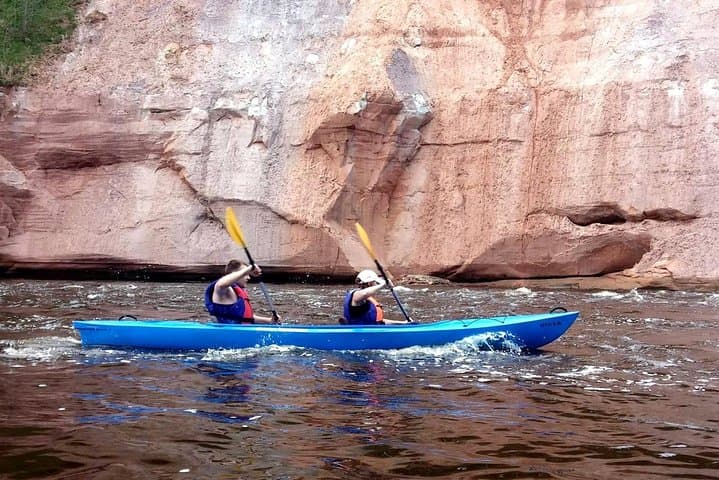
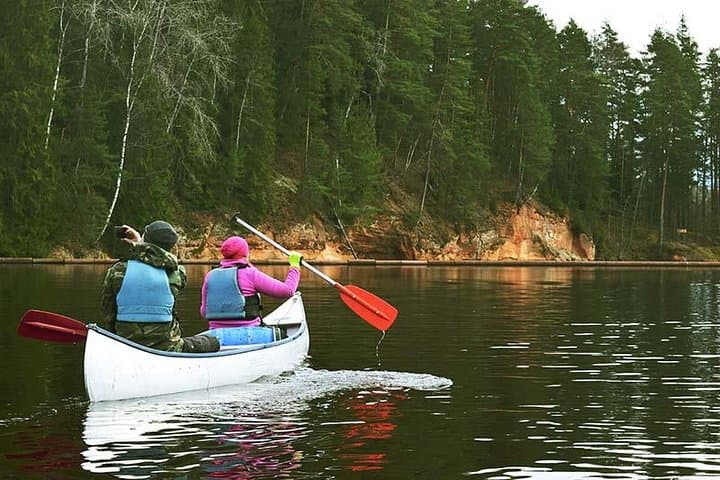
The canoe slips forward and the city noise thins—replaced by water brushing the hull and reed beds bending away as you pass. For four hours a guide leads small teams down a 15 km course that threads calmer channels near Riga, where river bends widen into quiet bays and willow-lined shores watch the procession.
The canoe slips forward and the city noise thins—replaced by water brushing the hull and reed beds bending away as you pass. For four hours a guide leads small teams down a 15 km course that threads calmer channels near Riga, where river bends widen into quiet bays and willow-lined shores watch the procession.
These waterways were once the transport arteries of the Baltic, shaping Riga’s role in Hanseatic trade and earlier Norse routes. Geology here is low-lying post-glacial plain: broad riverbeds, sandy banks and sedge marshes that slow the current and invite birdlife. Local culture leans practical; people prize access to water for both work and rest, and canoeing is a seasonal way to see neighborhoods and nature at the same time.
Expect shallow channels, occasional reed-choked turns and long, flat sections that reward steady, coordinated paddling. The guide provides safety kit and handles transfers to and from the launch, so your focus is navigation and rhythm. Weather between May and September is typically warm, though wind can push across open stretches.
Plan for layers, sun protection and a waterproof bag for valuables. Hydrate and bring snacks—four hours on the water passes differently than a land hike. If you’re new to tandem paddling, listen closely to stroke calls; crews of two or three will need to synchronize to get the most out of the course. This is a relaxed endurance outing that tests teamwork more than individual fitness, and it’s a straightforward way to trade city streets for riverside calm without venturing far from Riga.