THE ADVENTURE COLLECTIVE® · Independent discovery and booking for outdoor travel

Ride along ancient cart tracks on a gentle loop across Ruvo di Puglia’s first plateau. This 75-minute guided horseback and hiking experience mixes local history, open views toward the Adriatic and a tasting of home-made products.
Ride along ancient cart tracks on a gentle loop across Ruvo di Puglia’s first plateau. This 75-minute guided horseback and hiking experience mixes local history, open views toward the Adriatic and a tasting of home-made products.
You step off the van into a wide, dry air where the plateau seems to push the sky a little farther away. Horses nicker, gravel tracks lace away between low holm oaks and scrub; the sea is a pale line beyond the ridge, daring you to look. This is not a manicured trail but a network of old cart tracks and shepherd paths carved by centuries of transhumant herding.
Verified experiences and guided adventures in the surrounding area.
Operated by Michael · Ruvo di Puglia, Puglia
You step off the van into a wide, dry air where the plateau seems to push the sky a little farther away. Horses nicker, gravel tracks lace away between low holm oaks and scrub; the sea is a pale line beyond the ridge, daring you to look. This is not a manicured trail but a network of old cart tracks and shepherd paths carved by centuries of transhumant herding.
The land here records movement: seasonal flocks, mule trains and the slow work of human hands. Geologically the first plateau is limestone and compacted scree—hard underfoot, drained quickly, streaked with shallow karst hollows. Culturally the area around Ruvo di Puglia carries a rural imprint—stone farmhouses, simple baked breads and cheeses made by families who stayed. The small ranch tour revives that history, tracing routes used to move stock, pausing to hear about local flora and the grazing practices that shaped the landscape.
Practical guidance: the activity is an easy loop of roughly 4–6 km on mostly flat terrain with minimal elevation gain (under 150 m) that takes about 75 minutes. Rides are guided, helmets provided, and the best light is at dawn or sunset. Closed shoes and long pants protect against stirrup rub and low brush; avoid loose scarves or dangling clothing. Hydrate before you mount and carry a small water bottle if the guide allows. If you travel with mobility needs or infants, the venue notes wide accessibility and infant seating—confirm specifics when booking. On return expect a brief tasting of regional produce; it’s a simple way to connect the ride with the local table.
easy.
1–1.5 hours.
Suitable for most fitness levels; you should be comfortable walking short distances and mounting a horse with assistance.
No—rides are guided and suitable for first-timers; staff will brief you on mounting, basic cues and safety before starting.
The operator accommodates most ages and sizes but asks for passenger weight at booking to match horses; confirm any limits when reserving.
The venue lists wheelchair and stroller accessibility and offers infant seats; contact the provider ahead to coordinate transfers and assistance.
Closed shoes, long pants and sun protection; bring a small bottle of water and any personal medication—helmets are supplied.
The plateau’s network of cart tracks and pastoral roads grew from centuries of sedentary and transhumant herding; those routes still shape movement across the landscape.
Stick to established tracks to protect fragile karst soils and low scrub; support local producers on-site to keep small-scale farming viable.
Michael operates guided outdoor trips and adventures with an emphasis on safety, stewardship, and memorable experiences.
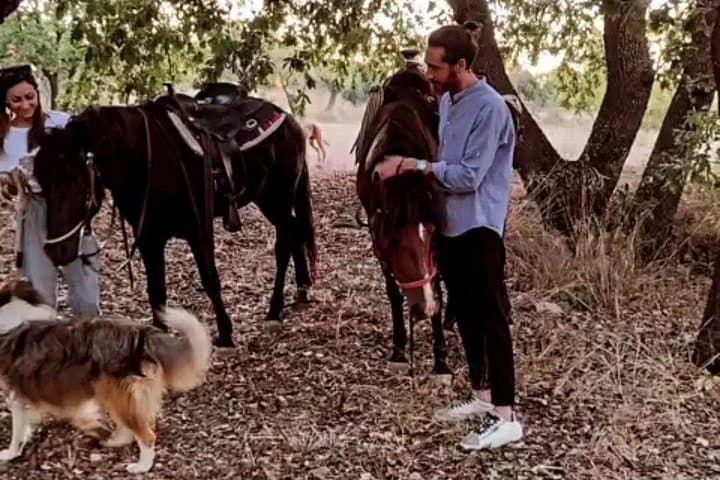
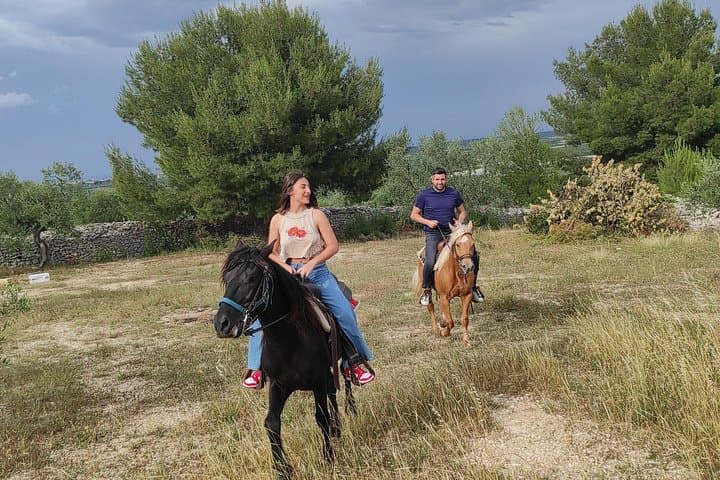
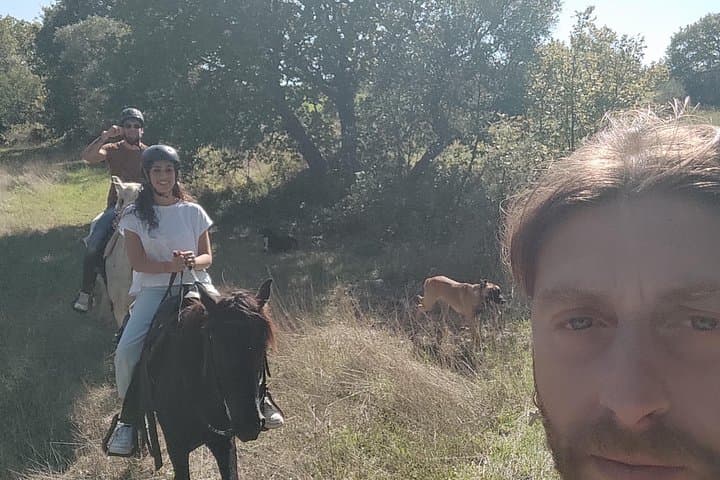
You step off the van into a wide, dry air where the plateau seems to push the sky a little farther away. Horses nicker, gravel tracks lace away between low holm oaks and scrub; the sea is a pale line beyond the ridge, daring you to look. This is not a manicured trail but a network of old cart tracks and shepherd paths carved by centuries of transhumant herding.
You step off the van into a wide, dry air where the plateau seems to push the sky a little farther away. Horses nicker, gravel tracks lace away between low holm oaks and scrub; the sea is a pale line beyond the ridge, daring you to look. This is not a manicured trail but a network of old cart tracks and shepherd paths carved by centuries of transhumant herding.
The land here records movement: seasonal flocks, mule trains and the slow work of human hands. Geologically the first plateau is limestone and compacted scree—hard underfoot, drained quickly, streaked with shallow karst hollows. Culturally the area around Ruvo di Puglia carries a rural imprint—stone farmhouses, simple baked breads and cheeses made by families who stayed. The small ranch tour revives that history, tracing routes used to move stock, pausing to hear about local flora and the grazing practices that shaped the landscape.
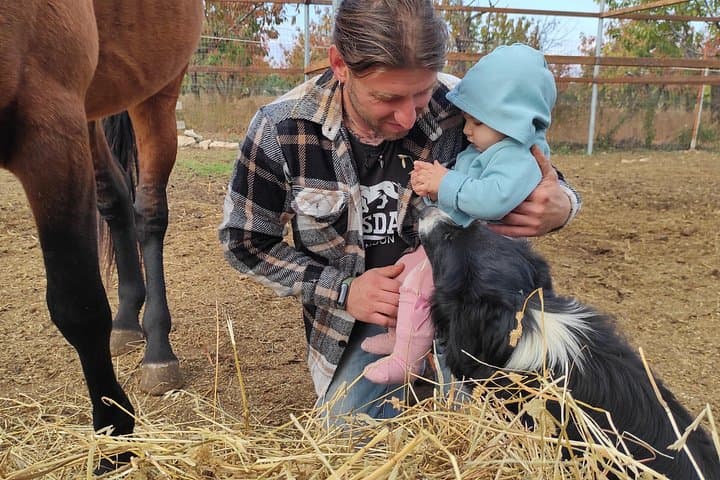
Practical guidance: the activity is an easy loop of roughly 4–6 km on mostly flat terrain with minimal elevation gain (under 150 m) that takes about 75 minutes. Rides are guided, helmets provided, and the best light is at dawn or sunset. Closed shoes and long pants protect against stirrup rub and low brush; avoid loose scarves or dangling clothing. Hydrate before you mount and carry a small water bottle if the guide allows. If you travel with mobility needs or infants, the venue notes wide accessibility and infant seating—confirm specifics when booking. On return expect a brief tasting of regional produce; it’s a simple way to connect the ride with the local table.