THE ADVENTURE COLLECTIVE® · Independent discovery and booking for outdoor travel

Walk a high ridge between tea gardens and Shola forest near Munnar, rising from 1,450 to about 1,950 meters. This four-hour guided trek mixes plantation paths, grassland ridgelines and shaded forest with chances to spot endemic birds and views of Anaimudi on clear days.
Walk a high ridge between tea gardens and Shola forest near Munnar, rising from 1,450 to about 1,950 meters. This four-hour guided trek mixes plantation paths, grassland ridgelines and shaded forest with chances to spot endemic birds and views of Anaimudi on clear days.
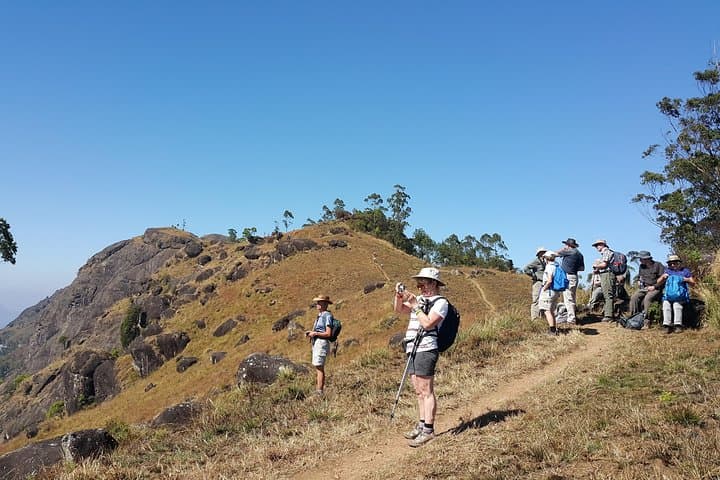
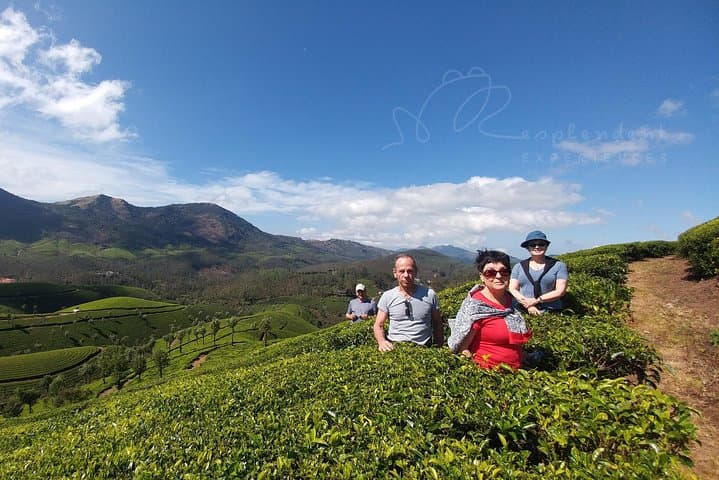
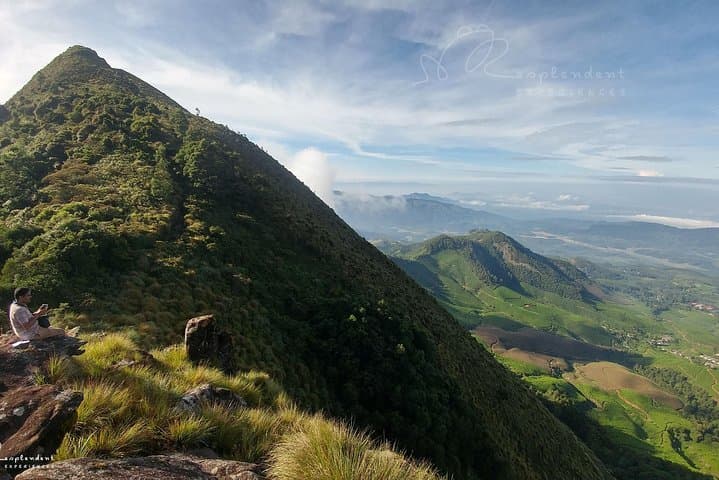
You step out of the cab at about 1,450 meters above sea level and the air tastes of cut tea and wet earth. The trail begins with a 30–40 minute walk through manicured tea terraces, the bushes forming neat rows that give way to a narrow ridge. As you climb, the ridge opens into sweeping grasslands with a rocky slope on one side and pockets of Shola forest on the other — the wind moves across the grass like a living thing, pushing you forward toward higher ground.
Verified experiences and guided adventures in the surrounding area.
Operated by Resplendent Experiences · Munnar, Kerala
You step out of the cab at about 1,450 meters above sea level and the air tastes of cut tea and wet earth. The trail begins with a 30–40 minute walk through manicured tea terraces, the bushes forming neat rows that give way to a narrow ridge. As you climb, the ridge opens into sweeping grasslands with a rocky slope on one side and pockets of Shola forest on the other — the wind moves across the grass like a living thing, pushing you forward toward higher ground.
Geology of the Western Ghats shapes every turn: ancient gneiss and laterite underfoot, with soil that supports both commercial plantations and isolated shola pockets. Munnar’s modern history is visible in the tea benches—colonial-era estates converted to contemporary production—and small private coffee and cardamom holdings where guides will point out endemic birds and local cultivation techniques.
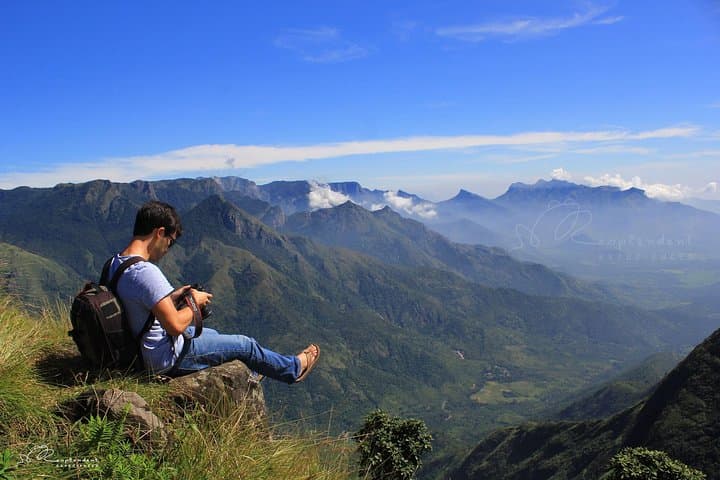
Expect a mix of terrain: packed dirt, grassy ridgelines, scattered rock, and shaded forest tracks. The high point reaches roughly 1,950 MASL; on clear days you can see Anaimudi, South India’s highest peak. Local culture is agricultural and community-centered—trek guides often share plant uses and bird ID while serving a simple picnic.
Practical notes: this is a moderate, four-hour trek with steady climbs and some uneven sections. Bring 1.5–2 L of water, sturdy hiking shoes, sun and rain protection, and insect repellent. Start early to avoid mid-day clouds and to catch potential long views. The route finishes back through tea fields to the waiting vehicle; a guide is included and helpful for spotting wildlife and explaining the landscape.
moderate.
4 hours.
Good steady fitness; regular walkers who can handle sustained uphill stretches will be comfortable.
The guided itinerary is about 4 hours round-trip, starting near 1,450 MASL and reaching roughly 1,950 MASL at the highest point—expect steady climbs and short level sections on the ridge.
Yes, a local guide is included in the tour price; there are no special permits for this private trek but follow the guide for access through private plantations and protected patches of forest.
Look for endemic birds around the Shola forest and coffee clearings, and possibly sightings of Nilgiri small mammals; sightings aren’t guaranteed but guides are skilled at spotting local species.
Start early morning to maximize view quality (clear air, less cloud cover) and to avoid warming and potential afternoon showers common in the Western Ghats.
Munnar’s landscape was transformed by 19th–20th century tea estates established during British colonial rule; those plantation patterns still shape trails and access today.
The Western Ghats are a global biodiversity hotspot—stick to trails, avoid single-use plastics, and follow guide directions to minimize impact on fragile shola and grassland habitats.
Resplendent Experiences operates guided outdoor trips and adventures with an emphasis on safety, stewardship, and memorable experiences.
You step out of the cab at about 1,450 meters above sea level and the air tastes of cut tea and wet earth. The trail begins with a 30–40 minute walk through manicured tea terraces, the bushes forming neat rows that give way to a narrow ridge. As you climb, the ridge opens into sweeping grasslands with a rocky slope on one side and pockets of Shola forest on the other — the wind moves across the grass like a living thing, pushing you forward toward higher ground.
You step out of the cab at about 1,450 meters above sea level and the air tastes of cut tea and wet earth. The trail begins with a 30–40 minute walk through manicured tea terraces, the bushes forming neat rows that give way to a narrow ridge. As you climb, the ridge opens into sweeping grasslands with a rocky slope on one side and pockets of Shola forest on the other — the wind moves across the grass like a living thing, pushing you forward toward higher ground.
Geology of the Western Ghats shapes every turn: ancient gneiss and laterite underfoot, with soil that supports both commercial plantations and isolated shola pockets. Munnar’s modern history is visible in the tea benches—colonial-era estates converted to contemporary production—and small private coffee and cardamom holdings where guides will point out endemic birds and local cultivation techniques.
Expect a mix of terrain: packed dirt, grassy ridgelines, scattered rock, and shaded forest tracks. The high point reaches roughly 1,950 MASL; on clear days you can see Anaimudi, South India’s highest peak. Local culture is agricultural and community-centered—trek guides often share plant uses and bird ID while serving a simple picnic.
Practical notes: this is a moderate, four-hour trek with steady climbs and some uneven sections. Bring 1.5–2 L of water, sturdy hiking shoes, sun and rain protection, and insect repellent. Start early to avoid mid-day clouds and to catch potential long views. The route finishes back through tea fields to the waiting vehicle; a guide is included and helpful for spotting wildlife and explaining the landscape.