THE ADVENTURE COLLECTIVE® · Independent discovery and booking for outdoor travel

Hop on the back of a scooter piloted by an ao dai-clad local and ride into Hoi An’s farming villages. This private 3–4 hour tour mixes hands-on craft stops, river views, and local meals—ideal for travelers who want culture and countryside in one outing.
Hop on the back of a scooter piloted by an ao dai-clad local and ride into Hoi An’s farming villages. This private 3–4 hour tour mixes hands-on craft stops, river views, and local meals—ideal for travelers who want culture and countryside in one outing.
You swing onto the back of a scooter and the city of Hoi An folds away—rice paddies open like pages, rivers edge with coconut palms, and lacquered boats drift slow. Your driver is a local woman in an ao dai, helmet polished, who knows each lane and farm by sight and story. The ride alternates between quiet village roads and short river crossings; stops let you step into carpentry workshops, try hand-molding pottery, and plant seedlings in Tra Que’s fragrant herb beds.
Verified experiences and guided adventures in the surrounding area.
Operated by Hung Le Travel-The Local Signature · Hoi An, Quang Nam
You swing onto the back of a scooter and the city of Hoi An folds away—rice paddies open like pages, rivers edge with coconut palms, and lacquered boats drift slow. Your driver is a local woman in an ao dai, helmet polished, who knows each lane and farm by sight and story. The ride alternates between quiet village roads and short river crossings; stops let you step into carpentry workshops, try hand-molding pottery, and plant seedlings in Tra Que’s fragrant herb beds.
Hoi An’s villages grew from a 16th–17th century trading port where timber, pottery and craft skills fed both local life and foreign demand. Geologically the floodplain is a mix of alluvial soils from the Thu Bon River—that richness is why vegetable gardens and coconut groves thrive here. The culture on display is practical and hands-on: craftsmen at Kim Bong, potters at Thanh Ha, and farmers at Tra Que who still use lagoon algae as fertilizer.
Expect a paced, sensory tour rather than a strenuous trek: warm sun, breeze on the cheek, the smell of wet earth, and close-up views of working villages. Practical notes: wear sturdy closed shoes for workshops, carry sun protection and insect repellent, and bring a light waterproof layer in case of sudden tropical showers. The tour runs about 3–4 hours, with private pickup and local meals included on most options—perfect for travelers who want immersive culture without the crowds.
moderate.
3–4 hours.
Moderate fitness: able to climb on/off a motorbike and stand through short workshop activities.
This private tour is designed with the Ao Dai riders as drivers; guests ride as passengers to experience local life and relax.
Yes—helmets are provided and required for safety; they may not be Western-standard but are cleaned between uses.
Not recommended for pregnant travelers or those with serious spinal/heart issues; children must meet operator safety guidelines and weight limits.
Most operators can accommodate common dietary needs if notified at booking—confirm any allergies or restrictions in advance.
Hoi An prospered as a maritime trading port in the 16th–17th centuries; nearby villages specialized in crafts—carpentry, pottery and farming—that supported the town’s economy.
Motorbike tours concentrate visitors on rural roads—choose operators who limit group size, avoid disturbing farmers, and discourage single-use plastics to reduce local impact.
Hung Le Travel-The Local Signature operates guided outdoor trips and adventures with an emphasis on safety, stewardship, and memorable experiences.

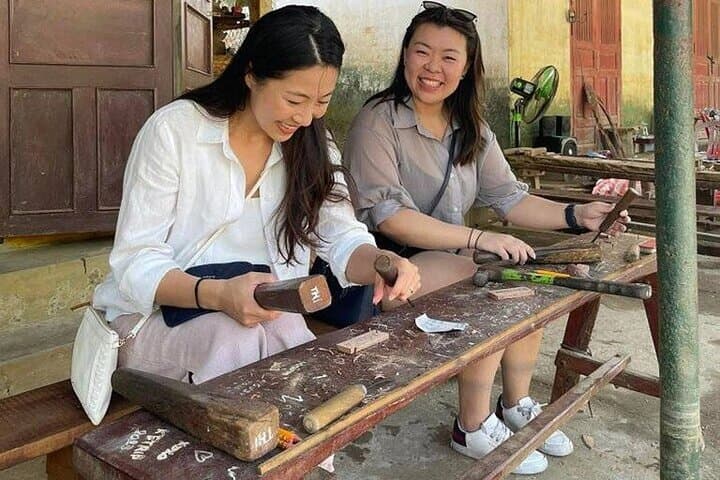

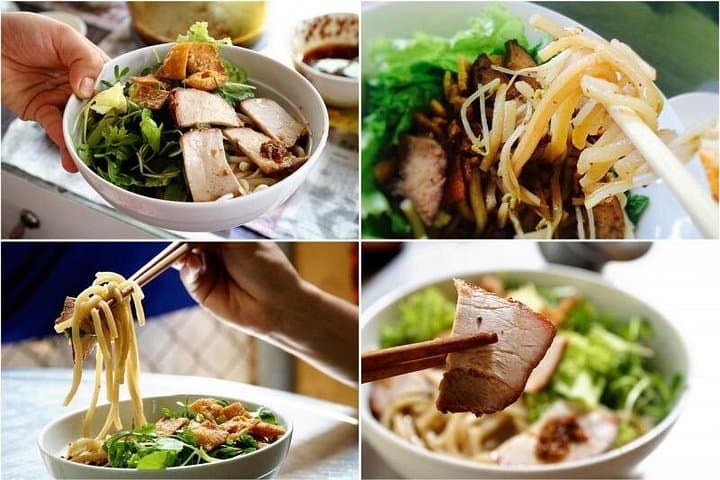
You swing onto the back of a scooter and the city of Hoi An folds away—rice paddies open like pages, rivers edge with coconut palms, and lacquered boats drift slow. Your driver is a local woman in an ao dai, helmet polished, who knows each lane and farm by sight and story. The ride alternates between quiet village roads and short river crossings; stops let you step into carpentry workshops, try hand-molding pottery, and plant seedlings in Tra Que’s fragrant herb beds.
You swing onto the back of a scooter and the city of Hoi An folds away—rice paddies open like pages, rivers edge with coconut palms, and lacquered boats drift slow. Your driver is a local woman in an ao dai, helmet polished, who knows each lane and farm by sight and story. The ride alternates between quiet village roads and short river crossings; stops let you step into carpentry workshops, try hand-molding pottery, and plant seedlings in Tra Que’s fragrant herb beds.
Hoi An’s villages grew from a 16th–17th century trading port where timber, pottery and craft skills fed both local life and foreign demand. Geologically the floodplain is a mix of alluvial soils from the Thu Bon River—that richness is why vegetable gardens and coconut groves thrive here. The culture on display is practical and hands-on: craftsmen at Kim Bong, potters at Thanh Ha, and farmers at Tra Que who still use lagoon algae as fertilizer.
Expect a paced, sensory tour rather than a strenuous trek: warm sun, breeze on the cheek, the smell of wet earth, and close-up views of working villages. Practical notes: wear sturdy closed shoes for workshops, carry sun protection and insect repellent, and bring a light waterproof layer in case of sudden tropical showers. The tour runs about 3–4 hours, with private pickup and local meals included on most options—perfect for travelers who want immersive culture without the crowds.