THE ADVENTURE COLLECTIVE® · Independent discovery and booking for outdoor travel

A fast, guided loop through Valencia’s landmarks — markets, medieval silk exchange, Turia Park and Calatrava’s modern complex — all reachable by comfortable city bike in about 2½ hours. Expect a mix of cobbles, bike lanes and plaza cruising with frequent stops for history and local flavors.
A fast, guided loop through Valencia’s landmarks — markets, medieval silk exchange, Turia Park and Calatrava’s modern complex — all reachable by comfortable city bike in about 2½ hours. Expect a mix of cobbles, bike lanes and plaza cruising with frequent stops for history and local flavors.
You push off from a narrow Calle and the city opens around you — tile facades, cathedral bells, and the riverbed-turned-park moving like a green artery through the center. The guide sets the pace, the bikes hum, and Valencia reveals itself in short chapters: market stalls, Gothic stone, modern concrete lenses of Calatrava’s skyline.
Verified experiences and guided adventures in the surrounding area.
Operated by Bikes & Tours · Valencia, Valencian Community
You push off from a narrow Calle and the city opens around you — tile facades, cathedral bells, and the riverbed-turned-park moving like a green artery through the center. The guide sets the pace, the bikes hum, and Valencia reveals itself in short chapters: market stalls, Gothic stone, modern concrete lenses of Calatrava’s skyline.
This loop stitches together centuries. La Lonja de la Seda still holds the weight of 15th-century trade; Estación del Norte wears its modernist tiles like a civic banner; the Turia, once a flooding river, was rerouted and repurposed after the 1957 flood into nine kilometres of gardens that shape how locals move and breathe. Geology here is subtle — the fertile Turia plain and proximity to the Mediterranean shaped Valencia’s port economy and orange groves.
Culture is immediate: chatter over horchata, the clack of market vendors, street art in Ruzafa that argues with the city’s stately facades. You’ll coast past plazas, climb the stairs of the Serranos Towers for a citywide orientation, then feel the cool shade of the Turia as it dares you to relax.
Practical guidance: this is an easy, urban ride of roughly 2½ hours with frequent stops. Expect paved streets, protected bike lanes in parts, and short cobbled sections in the Old Town. Wear closed shoes, bring layers for coastal winds, and carry water — bottled water is provided, but a small refillable bottle helps. Book early for guides in your language; same‑day reservations may limit options. Ride with city awareness: traffic, pedestrians, and tram tracks ask for steady handling and polite signaling.
easy.
2–3 hours.
Suitable for most fitness levels; requires basic bike handling and ability to ride 8–12 km at a relaxed pace.
The tour lasts about 2½ hours over roughly 8–12 km with frequent stops; the pace is relaxed to accommodate sightseeing and photos.
Yes — the tour is described as easy and suitable for all fitness levels, but children should be comfortable riding in urban traffic and meet the operator’s age/weight rules.
The tour may be cancelled in bad weather with a refund if cancelled more than 24 hours before departure; operators often reschedule or offer alternatives.
Yes — helmets and locks are included, and the guide handles navigation so you can focus on riding and the sights.
Valencia’s wealth in the late medieval period is visible in La Lonja de la Seda, a 15th-century silk exchange; the city later reshaped the Turia riverbed into the green corridor after the catastrophic 1957 flood.
The Turia Garden is a prime example of adaptive reuse in urban planning; practice low-impact tourism by staying on paths and avoiding litter in markets and parks.
Bikes & Tours operates guided outdoor trips and adventures with an emphasis on safety, stewardship, and memorable experiences.
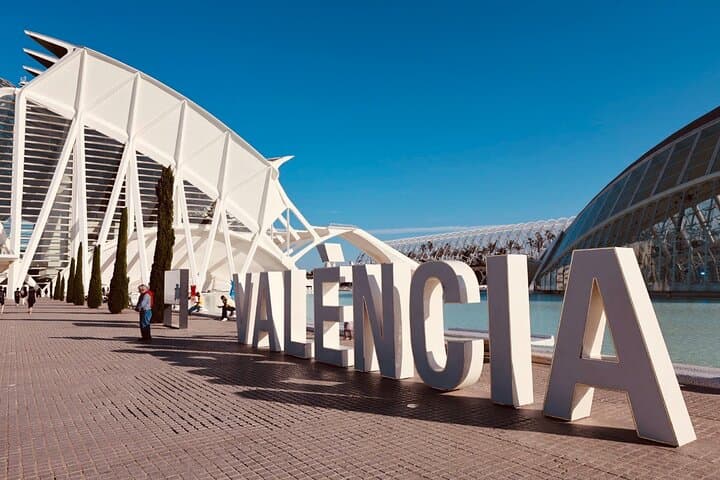
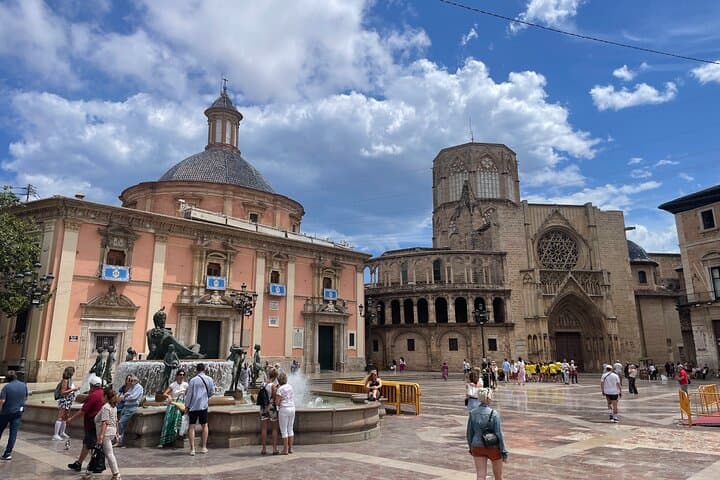
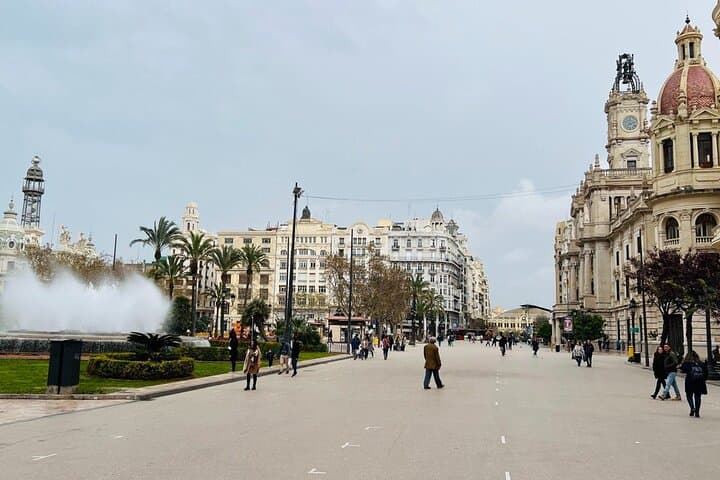
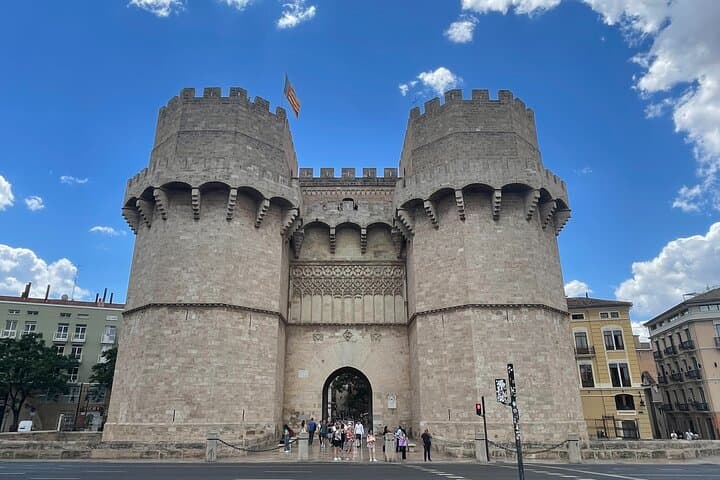
You push off from a narrow Calle and the city opens around you — tile facades, cathedral bells, and the riverbed-turned-park moving like a green artery through the center. The guide sets the pace, the bikes hum, and Valencia reveals itself in short chapters: market stalls, Gothic stone, modern concrete lenses of Calatrava’s skyline.
You push off from a narrow Calle and the city opens around you — tile facades, cathedral bells, and the riverbed-turned-park moving like a green artery through the center. The guide sets the pace, the bikes hum, and Valencia reveals itself in short chapters: market stalls, Gothic stone, modern concrete lenses of Calatrava’s skyline.
This loop stitches together centuries. La Lonja de la Seda still holds the weight of 15th-century trade; Estación del Norte wears its modernist tiles like a civic banner; the Turia, once a flooding river, was rerouted and repurposed after the 1957 flood into nine kilometres of gardens that shape how locals move and breathe. Geology here is subtle — the fertile Turia plain and proximity to the Mediterranean shaped Valencia’s port economy and orange groves.
Culture is immediate: chatter over horchata, the clack of market vendors, street art in Ruzafa that argues with the city’s stately facades. You’ll coast past plazas, climb the stairs of the Serranos Towers for a citywide orientation, then feel the cool shade of the Turia as it dares you to relax.
Practical guidance: this is an easy, urban ride of roughly 2½ hours with frequent stops. Expect paved streets, protected bike lanes in parts, and short cobbled sections in the Old Town. Wear closed shoes, bring layers for coastal winds, and carry water — bottled water is provided, but a small refillable bottle helps. Book early for guides in your language; same‑day reservations may limit options. Ride with city awareness: traffic, pedestrians, and tram tracks ask for steady handling and polite signaling.