THE ADVENTURE COLLECTIVE® · Independent discovery and booking for outdoor travel

Three days of mountain-biking through Chagga villages on Kilimanjaro’s slopes—coffee farms, German-era ruins and a hot-spring finish. Expect hilly singletrack, cultural stops, camping and a support vehicle.
Three days of mountain-biking through Chagga villages on Kilimanjaro’s slopes—coffee farms, German-era ruins and a hot-spring finish. Expect hilly singletrack, cultural stops, camping and a support vehicle.
The first morning cracks open over Moshi and you’re pedaling into a living map: terraced banana gardens, coffee trees leaning into steep slopes, and the Weru Weru River daring you to keep pace downhill. The route climbs and drops across the Machame flank of Kilimanjaro, where villages sit like stages—each one with a coffee roast, a story, and a place to pitch a tent.
Verified experiences and guided adventures in the surrounding area.
Operated by One Bike Tanzania · Moshi, Kilimanjaro Region
The first morning cracks open over Moshi and you’re pedaling into a living map: terraced banana gardens, coffee trees leaning into steep slopes, and the Weru Weru River daring you to keep pace downhill. The route climbs and drops across the Machame flank of Kilimanjaro, where villages sit like stages—each one with a coffee roast, a story, and a place to pitch a tent.
These slopes belong to the Chagga people, whose multi-century farming systems shaped the ridges and trails you ride. Geologically, you’re on Kilimanjaro’s volcanic shoulders—deep, porous soils and streams fed from the mountain’s catchment. Scattered German colonial ruins and old plantation roads appear between villages, artifacts of early 20th-century history that now frame modern homesteads and cultural tourism sites.
Practically: the tour covers roughly 70–80 km over three days with daily stretches of 14–36 km on mixed hilly terrain—handfuls of steep climbs, long descents, and singletrack through villages and plantations. Expect slow technical sections, rocky drains, and a final restorative swim at the Kikuletwa (Chemka) Hot Springs.
Bring a helmet, hydration, layered clothing for cool mornings and hot afternoons, and cash for village purchases. Guides provide bikes, helmets, meals and a support vehicle; camping and simple village accommodation are included. Ride conservatively on descents, respect private farmland, and plan arrival in Moshi with a full day to acclimate. This is cultural riding—fast enough to thrill, slow enough to notice the people and places you pass.
moderate.
3 days.
Suitable for riders with a moderate level of fitness—comfortable with sustained climbs, 3–6 hours of cycling daily and some off-bike walking.
Daily distances range from about 14–36 km with hilly terrain; expect 3–7 hours in the saddle depending on pace and stops.
Yes—mountain bicycles and helmets are included, plus a support vehicle that carries luggage and supplies.
Nights alternate between simple village cultural tourism lodges and managed campsites near Kikuletwa Hot Springs—basic but comfortable and community-run.
Routes ride the lower slopes of Kilimanjaro (generally below alpine zones), but mornings can feel cool and riders should be comfortable with sustained climbs rather than high-altitude exposure.
The Machame corridor contains remnants of German colonial plantations and trade routes; the Chagga developed terraced agriculture that still supports local communities.
Ride with minimal impact—stay on established tracks, avoid trampling crops, and support community tourism to help preserve cultural landscapes and water sources.
One Bike Tanzania operates guided outdoor trips and adventures with an emphasis on safety, stewardship, and memorable experiences.
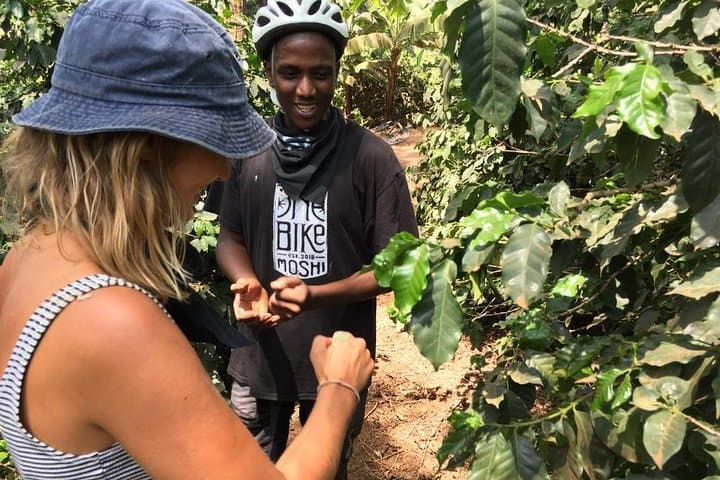
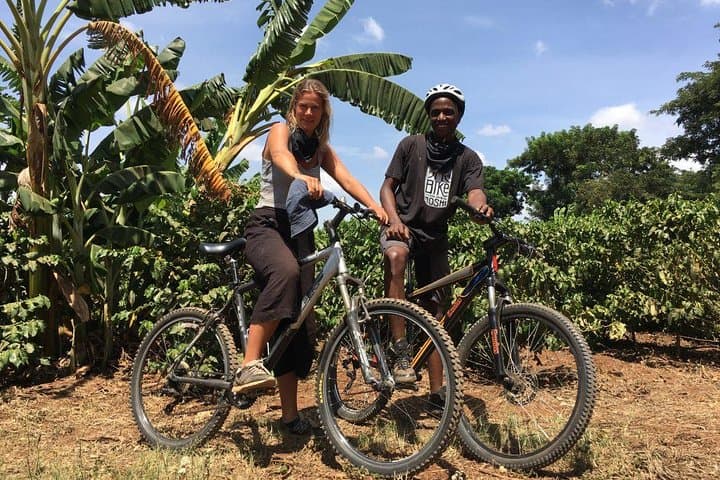
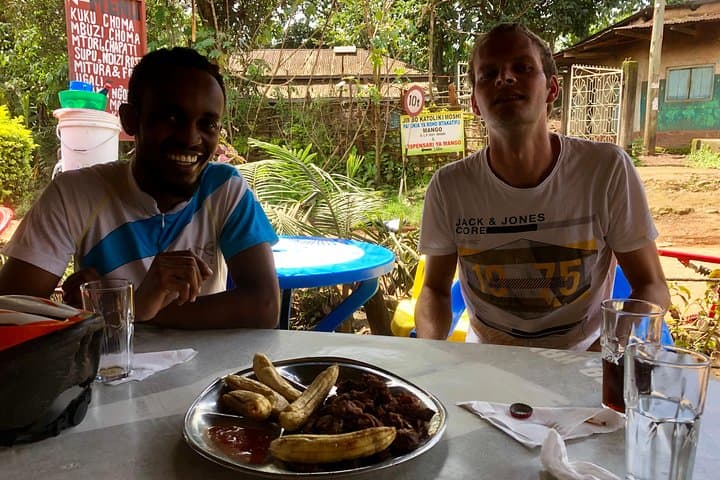
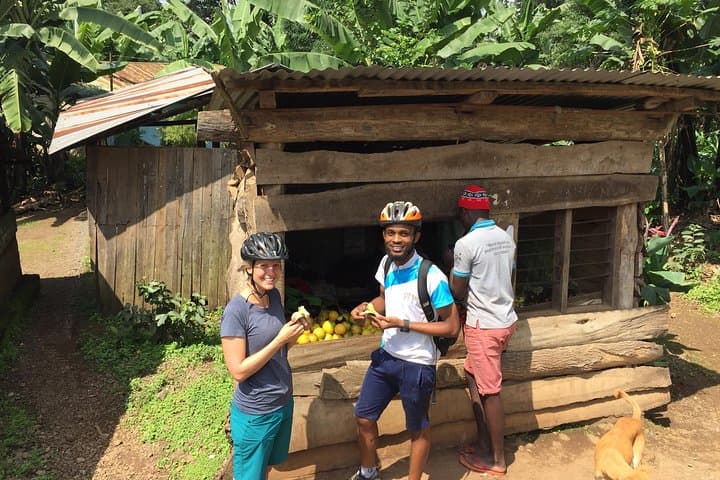
The first morning cracks open over Moshi and you’re pedaling into a living map: terraced banana gardens, coffee trees leaning into steep slopes, and the Weru Weru River daring you to keep pace downhill. The route climbs and drops across the Machame flank of Kilimanjaro, where villages sit like stages—each one with a coffee roast, a story, and a place to pitch a tent.
The first morning cracks open over Moshi and you’re pedaling into a living map: terraced banana gardens, coffee trees leaning into steep slopes, and the Weru Weru River daring you to keep pace downhill. The route climbs and drops across the Machame flank of Kilimanjaro, where villages sit like stages—each one with a coffee roast, a story, and a place to pitch a tent.
These slopes belong to the Chagga people, whose multi-century farming systems shaped the ridges and trails you ride. Geologically, you’re on Kilimanjaro’s volcanic shoulders—deep, porous soils and streams fed from the mountain’s catchment. Scattered German colonial ruins and old plantation roads appear between villages, artifacts of early 20th-century history that now frame modern homesteads and cultural tourism sites.
Practically: the tour covers roughly 70–80 km over three days with daily stretches of 14–36 km on mixed hilly terrain—handfuls of steep climbs, long descents, and singletrack through villages and plantations. Expect slow technical sections, rocky drains, and a final restorative swim at the Kikuletwa (Chemka) Hot Springs.
Bring a helmet, hydration, layered clothing for cool mornings and hot afternoons, and cash for village purchases. Guides provide bikes, helmets, meals and a support vehicle; camping and simple village accommodation are included. Ride conservatively on descents, respect private farmland, and plan arrival in Moshi with a full day to acclimate. This is cultural riding—fast enough to thrill, slow enough to notice the people and places you pass.