THE ADVENTURE COLLECTIVE® · Independent discovery and booking for outdoor travel

Float above Barcelona on the Teleferic de Montjuïc for sweeping Mediterranean views and direct access to Montjuïc Castle. This short, scenic cable car ride is ideal for photographers, history enthusiasts, and visitors seeking a quick summit trip.
Float above Barcelona on the Teleferic de Montjuïc for sweeping Mediterranean views and direct access to Montjuïc Castle. This short, scenic cable car ride is ideal for photographers, history enthusiasts, and visitors seeking a quick summit trip.
The cable car lifts you off the city’s grid and into a sharper, wind-sketched view of Barcelona — the sea opening to the east, the long line of the harbor down below, and terraced parks unfolding as you climb. Carriages hum gently along the Teleferic de Montjuïc route, pausing to give you an unobstructed angle on the Mediterranean and the gray-brown ramparts of Montjuïc Castle.
Verified experiences and guided adventures in the surrounding area.
Operated by ParisBillets · Barcelona, Catalonia
The cable car lifts you off the city’s grid and into a sharper, wind-sketched view of Barcelona — the sea opening to the east, the long line of the harbor down below, and terraced parks unfolding as you climb. Carriages hum gently along the Teleferic de Montjuïc route, pausing to give you an unobstructed angle on the Mediterranean and the gray-brown ramparts of Montjuïc Castle.
Montjuïc has been a strategic high point since at least the 17th century, when its fortress controlled access to the harbor. The hill later hosted the 1929 International Exposition and many 20th‑century cultural projects, and the cable car itself is the practical heir to an older funicular tradition that links the city with its marine-facing summit.
Geologically the hill rises in compact rock and parkland, a contrast to Barcelona’s flat Eixample grid; culturally it’s a mix of museums, Olympic-era facilities, and formal gardens. The castle’s towers and ramparts make for straightforward exploration, and the cable car provides the most direct, scenic access without a steep climb.
Practical notes: allow 30–60 minutes for the round trip and time at the summit, book mobile tickets in advance to skip lines, and expect exposed sections — a light windbreaker and stable footwear are useful. Accessibility is good; cabins are stroller- and wheelchair‑friendly but check boarding points before arrival. Aim for early morning or late afternoon for softer light and fewer crowds, and bring a camera with a polarizer to tame glare off the sea.
easy.
30–60 minutes.
Suitable for most fitness levels; minimal walking required beyond station platforms
The round-trip experience, including ascent, descent, and short waits, typically takes 30–60 minutes depending on how much time you spend exploring the castle.
Yes — the Teleferic de Montjuïc is listed as wheelchair- and stroller‑accessible, but check boarding instructions for the specific station layout on the day.
The ticket provides round-trip cable car transport; castle admission may be separate. Check local signage or the attraction’s website for current entry fees or included admissions.
Visit early morning or late afternoon outside peak summer months to encounter fewer tourists and better light for photos.
Montjuïc’s fortress has guarded Barcelona’s harbor since the 17th century and later served cultural and military roles through the 19th and 20th centuries, shaping the hill’s layered uses.
Heavy visitor traffic is managed through defined paths and signage; stick to trails, carry out waste, and respect garden plantings to limit erosion and habitat disturbance.
ParisBillets operates guided outdoor trips and adventures with an emphasis on safety, stewardship, and memorable experiences.
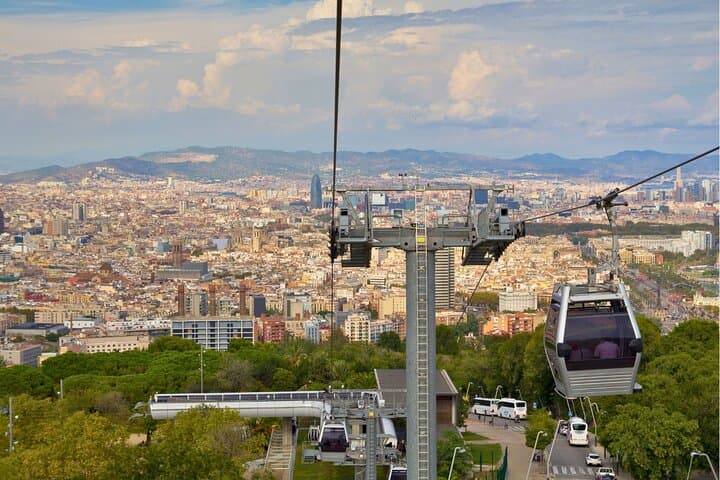
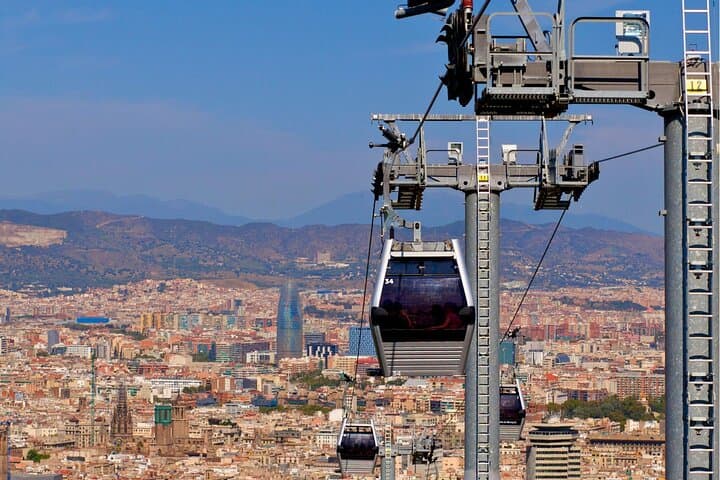
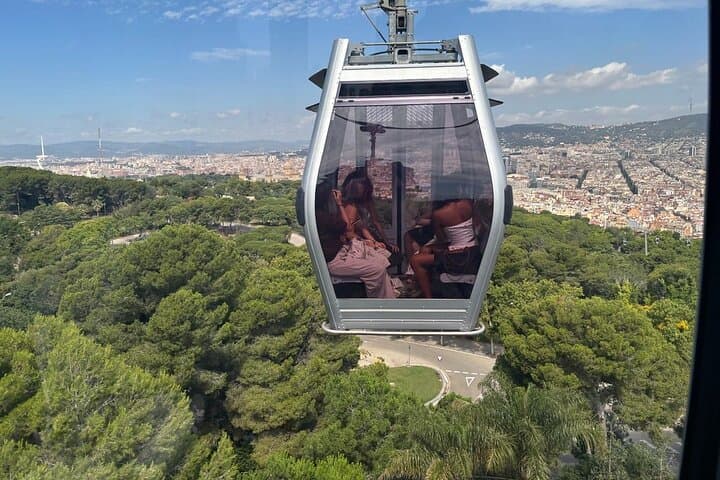
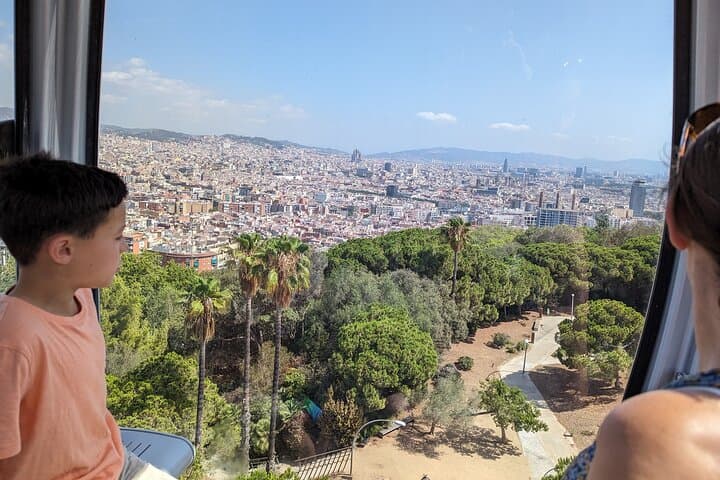
The cable car lifts you off the city’s grid and into a sharper, wind-sketched view of Barcelona — the sea opening to the east, the long line of the harbor down below, and terraced parks unfolding as you climb. Carriages hum gently along the Teleferic de Montjuïc route, pausing to give you an unobstructed angle on the Mediterranean and the gray-brown ramparts of Montjuïc Castle.
The cable car lifts you off the city’s grid and into a sharper, wind-sketched view of Barcelona — the sea opening to the east, the long line of the harbor down below, and terraced parks unfolding as you climb. Carriages hum gently along the Teleferic de Montjuïc route, pausing to give you an unobstructed angle on the Mediterranean and the gray-brown ramparts of Montjuïc Castle.
Montjuïc has been a strategic high point since at least the 17th century, when its fortress controlled access to the harbor. The hill later hosted the 1929 International Exposition and many 20th‑century cultural projects, and the cable car itself is the practical heir to an older funicular tradition that links the city with its marine-facing summit.
Geologically the hill rises in compact rock and parkland, a contrast to Barcelona’s flat Eixample grid; culturally it’s a mix of museums, Olympic-era facilities, and formal gardens. The castle’s towers and ramparts make for straightforward exploration, and the cable car provides the most direct, scenic access without a steep climb.
Practical notes: allow 30–60 minutes for the round trip and time at the summit, book mobile tickets in advance to skip lines, and expect exposed sections — a light windbreaker and stable footwear are useful. Accessibility is good; cabins are stroller- and wheelchair‑friendly but check boarding points before arrival. Aim for early morning or late afternoon for softer light and fewer crowds, and bring a camera with a polarizer to tame glare off the sea.