THE ADVENTURE COLLECTIVE® · Independent discovery and booking for outdoor travel

See Chicago from the vantage few pedestrians get: station platforms and short rides on the elevated ‘L’ reveal architectural details and urban history. This two-hour tour mixes on-platform stops with a brief train ride and expert narration.
See Chicago from the vantage few pedestrians get: station platforms and short rides on the elevated ‘L’ reveal architectural details and urban history. This two-hour tour mixes on-platform stops with a brief train ride and expert narration.
The train arrives with a clack and a breeze that pushes the river’s scent up toward the platforms. From twenty feet above the street, façades open like pages in a long city book: cornices, terra cotta, and steel that mark Chicago’s growth. You’ll stand on station platforms and peer into courtyards, watch the El carve lines through the Loop, and feel the city move beneath your feet.
Verified experiences and guided adventures in the surrounding area.
Operated by Chicago Architecture Center · Chicago, Illinois
The train arrives with a clack and a breeze that pushes the river’s scent up toward the platforms. From twenty feet above the street, façades open like pages in a long city book: cornices, terra cotta, and steel that mark Chicago’s growth. You’ll stand on station platforms and peer into courtyards, watch the El carve lines through the Loop, and feel the city move beneath your feet.
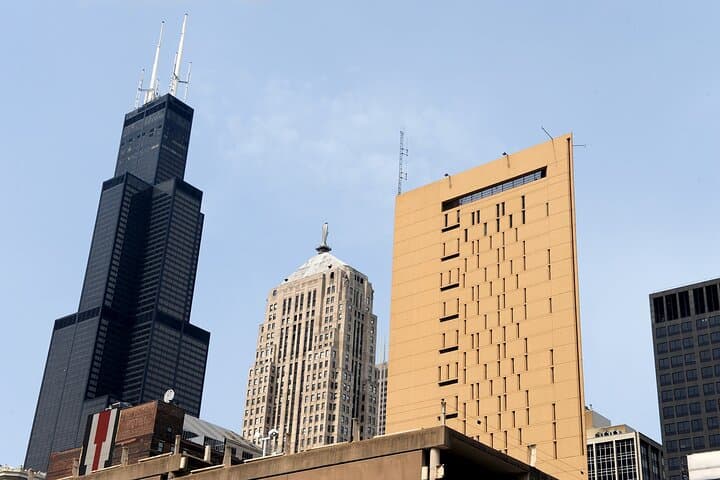
The elevated railroad began regular service in 1892; since then the ‘L’ has done more than move people—it reshaped parcels, framed skylines, and made the Loop a readable map of architecture and urban planning. Expect views of Marshall Field’s historic masonry (now a department store), the austere bulk of the Metropolitan Correction Center, the Art Deco Chicago Board of Trade, and newer glass towers that mirror the river.
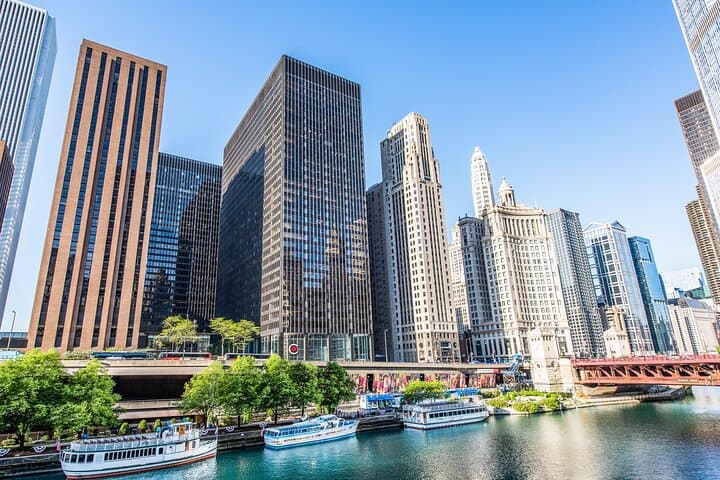
Culturally, the tour weaves transportation history with civic design: stations were platforms for technology, commerce, and public life. Geologically there’s little drama—this is urban plain—but the Chicago River bends and reflects the city like a moving mirror, often stealing the show at golden hour.
Practical guidance: arrive 15 minutes early at the Chicago Architecture Center for check-in and a Ventra card. The outing runs two hours; only about 15 minutes are on the train itself while most time is spent on outdoor platforms—stairs are required and seating isn’t guaranteed. Wear comfortable shoes, layer for wind off the river, and bring a water bottle. If you want crisp photos, target late afternoon light along Washington/Wabash station. The route is compact but dense with detail—listen for the guide’s context and give yourself time afterward to walk the Riverwalk and process what you’ve just seen.
easy.
2 hours.
Suitable for most fitness levels but requires stair use and brief standing periods
Only about 15 minutes of the two-hour tour are spent on the train; the rest is on station platforms and short walking segments.
No — stairs are required and the tour is not ADA accessible; it’s not recommended for those with difficulty walking or standing.
Fare for the Chicago elevated rail ride and admission to the Chicago Architecture Center galleries are included, plus guided narration.
For a full refund cancel at least 24 hours before departure; tours may be canceled for bad weather.
Chicago’s elevated rail began regular service in 1892 and played a central role in concentrating commerce and shaping the Loop’s architecture.
Using public transit for the tour reduces car trips and local emissions; please follow posted rules at stations and dispose of trash to keep platforms clean.
Chicago Architecture Center operates guided outdoor trips and adventures with an emphasis on safety, stewardship, and memorable experiences.
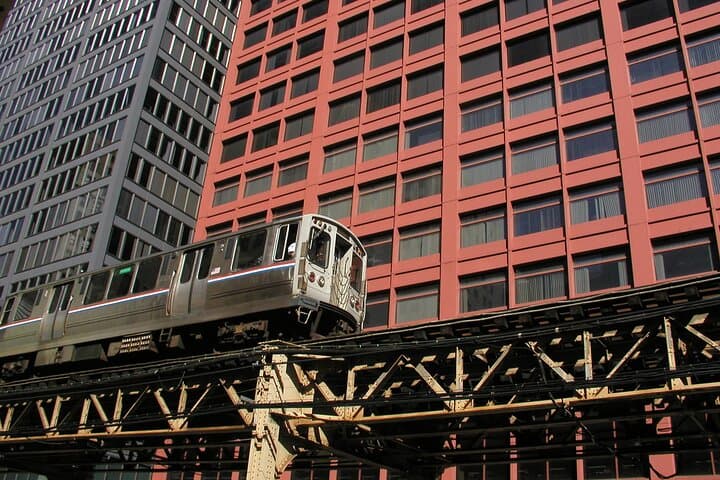
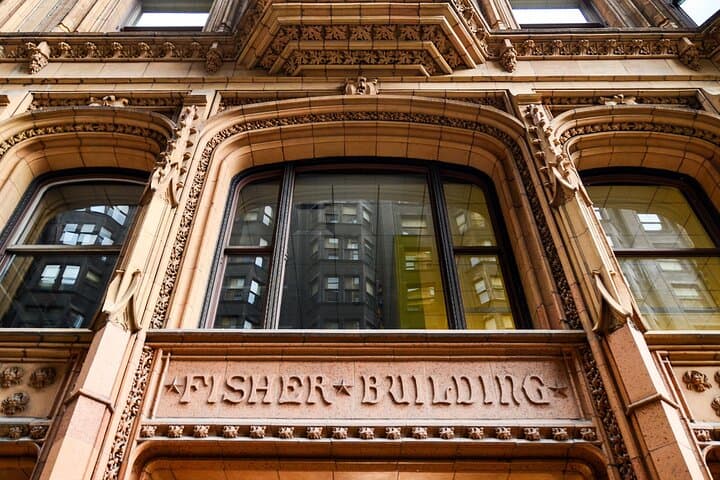
The train arrives with a clack and a breeze that pushes the river’s scent up toward the platforms. From twenty feet above the street, façades open like pages in a long city book: cornices, terra cotta, and steel that mark Chicago’s growth. You’ll stand on station platforms and peer into courtyards, watch the El carve lines through the Loop, and feel the city move beneath your feet.
The train arrives with a clack and a breeze that pushes the river’s scent up toward the platforms. From twenty feet above the street, façades open like pages in a long city book: cornices, terra cotta, and steel that mark Chicago’s growth. You’ll stand on station platforms and peer into courtyards, watch the El carve lines through the Loop, and feel the city move beneath your feet.
The elevated railroad began regular service in 1892; since then the ‘L’ has done more than move people—it reshaped parcels, framed skylines, and made the Loop a readable map of architecture and urban planning. Expect views of Marshall Field’s historic masonry (now a department store), the austere bulk of the Metropolitan Correction Center, the Art Deco Chicago Board of Trade, and newer glass towers that mirror the river.
Culturally, the tour weaves transportation history with civic design: stations were platforms for technology, commerce, and public life. Geologically there’s little drama—this is urban plain—but the Chicago River bends and reflects the city like a moving mirror, often stealing the show at golden hour.
Practical guidance: arrive 15 minutes early at the Chicago Architecture Center for check-in and a Ventra card. The outing runs two hours; only about 15 minutes are on the train itself while most time is spent on outdoor platforms—stairs are required and seating isn’t guaranteed. Wear comfortable shoes, layer for wind off the river, and bring a water bottle. If you want crisp photos, target late afternoon light along Washington/Wabash station. The route is compact but dense with detail—listen for the guide’s context and give yourself time afterward to walk the Riverwalk and process what you’ve just seen.